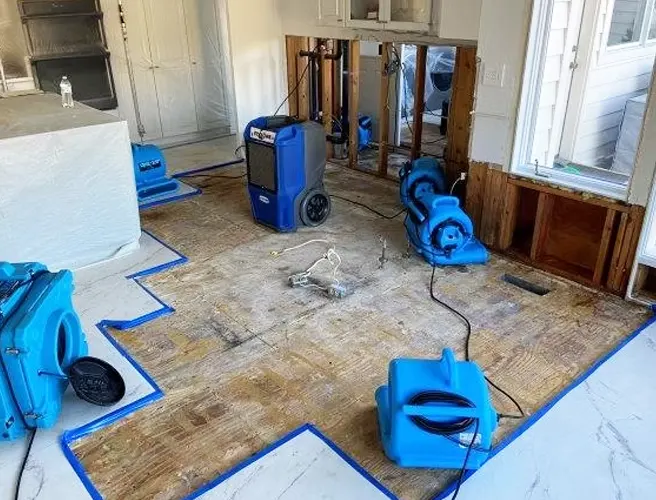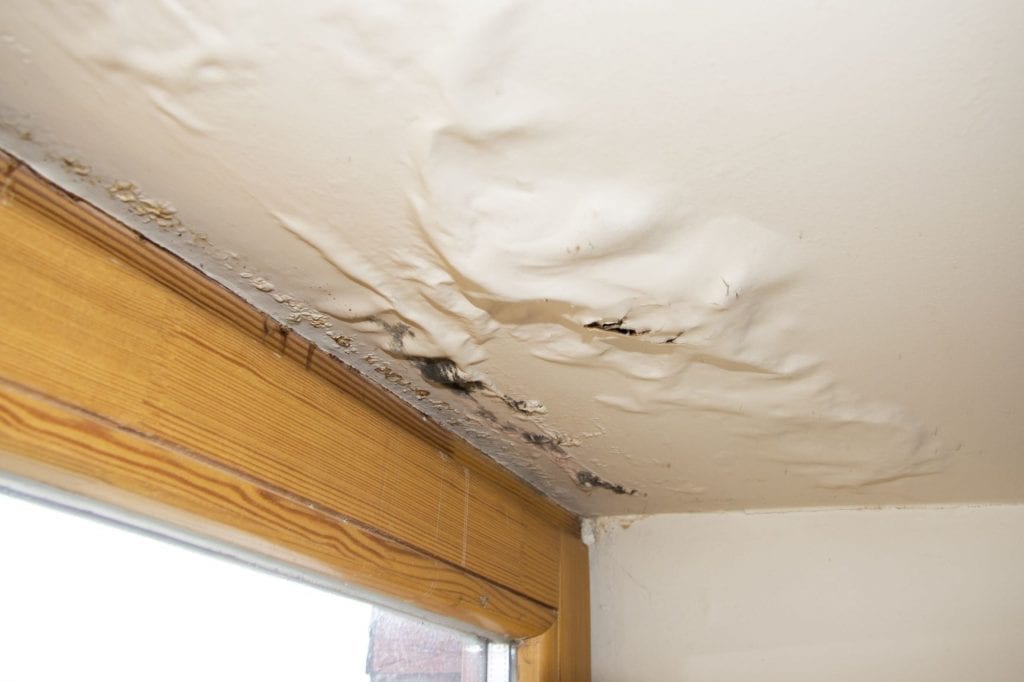

You’ve probably seen it before. That fuzzy patch in the bathroom corner or the dark spots behind the kitchen sink. But what exactly is this stuff? We get questions about mold all the time from homeowners just like you. It’s actually a type of fungus that plays an important role in nature. However, when it shows up inside your home, things get complicated fast. Let’s break down everything you need to know in plain, simple terms.
Understanding What Mold Actually Is
So here’s the deal. This organism is a living fungus that exists everywhere in our environment. It breaks down dead organic matter outdoors, which is actually helpful. The problems start when spores float inside and find the right conditions to thrive. These tiny spores are invisible to the naked eye. They travel through air, on clothing, and even on pets.
Once spores land on a damp surface, they start reproducing quickly. We’ve seen mold colonies form in as little as 24 to 48 hours. It needs three things to survive: moisture, warmth, and food. Unfortunately, your home provides all three. Building materials like drywall, wood, and carpet make perfect food sources for hungry fungi.
Common Types Found in Your Home
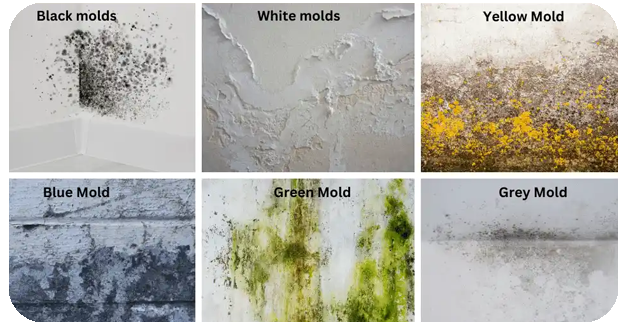
Not all varieties look or act the same. Some appear green, others black, and some even look white or orange. Each type of mold behaves differently and requires different handling approaches. The most common ones we encounter include Aspergillus, Cladosporium, and Penicillium. These typically show up in bathrooms, basements, and kitchens.
Black-colored varieties often cause the most concern for homeowners. However, color alone doesn’t determine danger level. That’s why proper mold testing and identification matters so much. A professional can tell you exactly what kind of mold you’re dealing with. This information helps determine the best removal strategy for your specific situation.
Health Effects From Exposure
Here’s where things get serious. Prolonged mold exposure can cause real problems for you and your family. The health effects range from mild to severe depending on several factors. Your overall health, the amount present, and the specific variety all play roles.
Common symptoms from exposure include:
- Sneezing, coughing, and runny nose
- Itchy or watery eyes
- Skin irritation and rashes
- Difficulty breathing or wheezing
- Headaches and fatigue
People with allergies, asthma, or weakened immune systems face higher risks. Environmental health experts recommend addressing any visible mold growth immediately. Don’t wait until symptoms appear to take action. We’ve helped many families who waited too long and regretted it.
Why Growth Happens and Moisture Problems
Let’s talk about the real culprit here. Moisture in your home creates the perfect breeding ground. Without water, spores can’t activate and colonies can’t form. This is why bathrooms and basements see so many issues. These areas naturally hold more humidity than other rooms.
Leaky pipes, poor ventilation, and flooding create ideal conditions for mold to thrive. We’ve walked into homes where a small leak went unnoticed for months. By the time homeowners spotted the mold problem, significant damage had occurred. Controlling moisture is your first line of defense. Fix leaks immediately and use exhaust fans regularly.
Signs That Something Is Growing in Your Space
Sometimes the problem hides in plain sight. Other times, it lurks behind walls or under floors. Knowing what to look for saves you time and money. A musty, earthy smell often indicates mold is growing somewhere nearby. Trust your nose on this one.
Visible discoloration on walls, ceilings, or floors is another obvious sign. Look for fuzzy or slimy patches in various colors. Water stains or bubbling paint can indicate moisture problems. If anyone in your household experiences unexplained allergy symptoms, investigate further. These clues help you catch problems early before they spread.
How to Test for Mold in Your Home
Wondering if you actually have a mold problem? Professional testing gives you definitive answers. Many homeowners try DIY test kits from hardware stores. These can provide basic information, but they have limitations. They won’t tell you the full scope of what you’re dealing with.
Professional testing involves air sampling and surface testing. Experts collect samples and send them to certified laboratories. The results identify specific species and concentration levels. This information guides the mold remediation plan moving forward. We always recommend professional testing before starting any major removal project. It ensures you address the actual problem completely.
Professional Remediation and Removal Services
Here’s the truth about DIY mold removal attempts. Small patches under 10 square feet might be manageable yourself. Anything larger requires professional remediation services. Improper removal actually spreads spores throughout your home. You could make a small problem much worse.
Professional removal teams use containment barriers and negative air pressure. These techniques prevent cross-contamination during the removal process. Technicians wear protective equipment and use specialized cleaning solutions. They also address the moisture source causing the issue. Without fixing that root cause, the problem returns. Trust us, we’ve seen it happen too many times.
Keeping Your Home Mold-Free for Good
Prevention beats treatment every single time. Preventing mold growth saves you money, stress, and potential health issues. Start by controlling humidity levels throughout your home. Keep indoor humidity below 50 percent using dehumidifiers if necessary. Run bathroom fans during and after showers.
Fix any leaks immediately, no matter how small they seem. Ensure proper ventilation in attics, crawl spaces, and basements. Clean and dry any water damage within 24 to 48 hours. Regular inspections help you prevent mold from taking hold. Check under sinks, behind appliances, and in closets periodically. These simple habits protect your home and family for years to come.
Frequently Asked Questions
Q: How quickly can colonies form after water damage?
A: Growth can begin within 24 to 48 hours after water exposure. Spores are always present in the air waiting for the right conditions. Once moisture appears, they activate immediately. This is why fast action after flooding or leaks matters so much. We always recommend drying affected areas within that timeframe.
Q: Can I paint over visible growth to cover it up?
A: Absolutely not. Painting over the problem doesn’t solve anything. The fungus continues growing underneath the paint layer. Eventually, it breaks through and becomes visible again. You must remove the growth completely and address moisture issues first. Then you can repaint safely.
Q: Is black-colored growth always dangerous?
A: Not necessarily. Color doesn’t determine toxicity or danger level. Many common varieties appear dark or black in color. Only laboratory testing identifies the specific species present. Some black varieties are relatively harmless while others require careful handling. Professional testing removes the guesswork entirely.
Q: How much does professional testing typically cost?
A: Testing costs usually range from $200 to $600 depending on your location. The price varies based on home size and number of samples taken. Some companies include testing in their inspection services. We recommend getting quotes from multiple providers. The investment provides peace of mind and clear answers.
Q: Should I leave my home during professional removal?
A: For large-scale projects, leaving temporarily is often recommended. Removal disturbs spores and sends them airborne. Professional teams use containment, but minimizing exposure is smart. People with respiratory conditions or allergies should definitely stay elsewhere. Your remediation team will advise based on your specific situation.
Q: How do I know if the problem has returned after removal?
A: Watch for those telltale signs we discussed earlier. Musty odors, visible patches, or recurring health symptoms indicate potential return. Follow-up testing after remediation confirms successful removal. If moisture issues weren’t fully resolved, regrowth remains possible. Regular inspections help you catch any recurrence early.