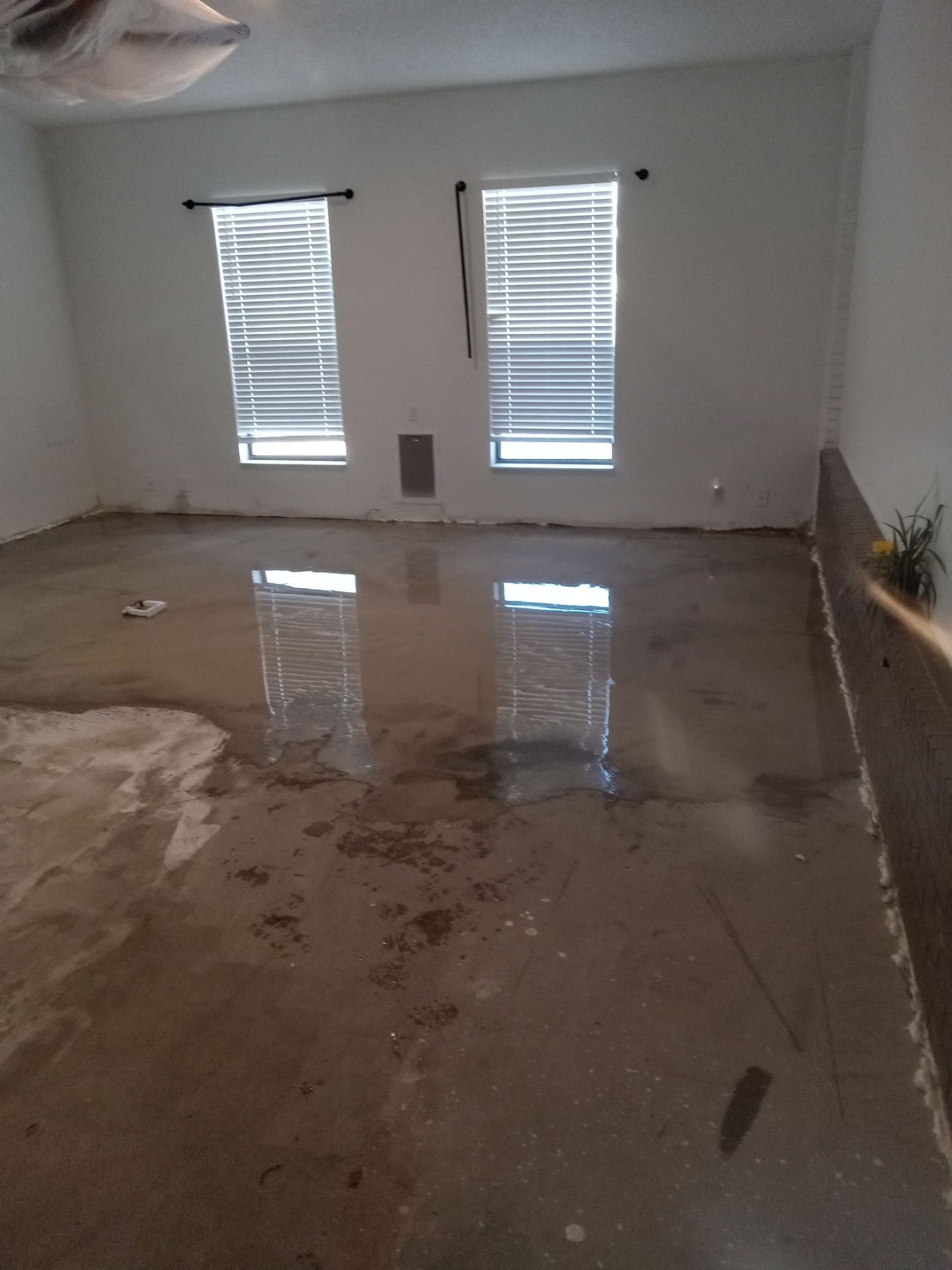
Emergency water damage should ideally be addressed within the first 60 to 90 minutes to limit the scope of harm and reduce long term costs. Water moves quickly through porous materials, spreading beneath surfaces and into hidden cavities. Even clean water can compromise structural components when it remains in place, because wood swells, fasteners loosen, and adhesives begin to fail. Within the first few hours, moisture starts wicking into drywall, insulation, subflooring, and flooring seams, where it becomes harder to remove with basic methods. As time approaches the 24-hour point, the risk of microbial growth rises sharply, creating potential health concerns and additional remediation needs. A fast response allows professional extraction, targeted drying, and dehumidification to begin before materials reach irreversible failure points. Prompt assessment with moisture detection tools also helps identify areas that are not visibly wet but are already affected. In practical terms, rapid action improves the likelihood that materials can be dried, cleaned, and preserved rather than removed and replaced, saving time and reducing disruption.