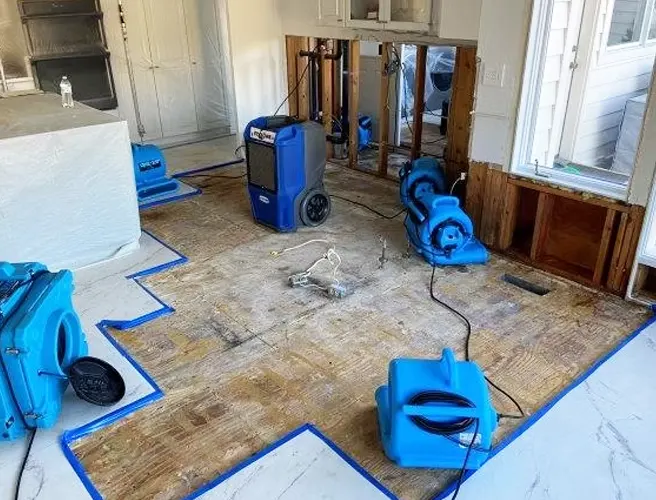
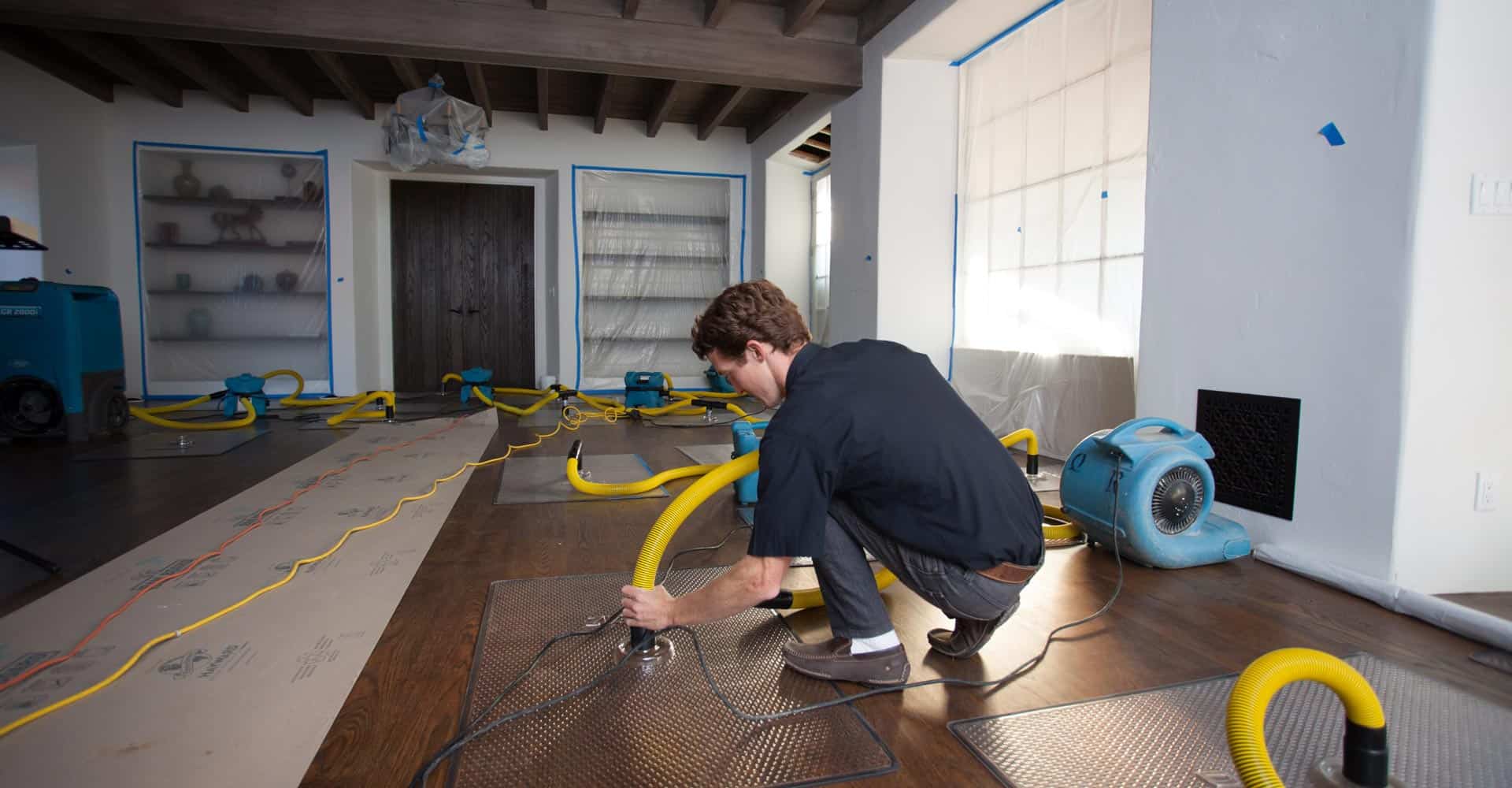
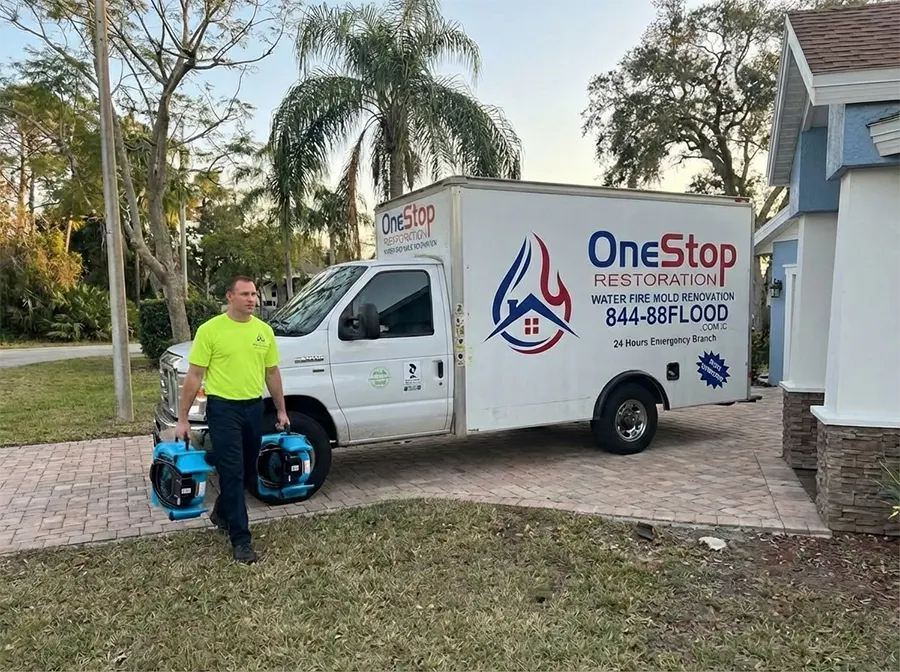
If water has affected drywall, insulation, hardwood flooring, subflooring, or structural framing, arranging professional assistance as soon as possible can significantly limit long term damage. Immediate action helps prevent deeper saturation that can weaken materials and compromise structural integrity. If it is safe to do so, shut off the water source and carefully remove standing water using appropriate equipment. However, avoid disturbing areas that may be contaminated, especially if the water source involved sewage or floodwater. Even when surfaces appear dry to the touch, moisture can remain trapped behind walls, beneath flooring, or within insulation. Signs such as discoloration, bubbling paint, warped materials, or persistent odors within 24 – 48 hours often indicate hidden moisture. A professional assessment using moisture detection tools can identify affected areas and guide proper drying. Early mitigation reduces restoration time, lowers repair costs, and decreases the risk of mold growth or structural deterioration.