Finding fungus in your home is never fun. Trust me, I’ve helped countless homeowners tackle this problem over the years. The good news? Most situations are totally manageable when you know what to do. Whether you’ve spotted fuzzy patches in your bathroom or noticed a musty smell in the basement, acting fast matters. In this guide, I’ll walk you through everything you need to get rid of mold effectively. We’ll cover how to spot it, clean it, and keep it from coming back.
Signs of Mold and Mildew in Your Home
The first step is knowing what to look for. Fungal growth doesn’t always show up as obvious black spots. Sometimes it hides behind walls or under carpets. I’ve seen homes where the only clue was a strange, earthy smell. Your nose is actually a great detection tool here.
Watch for these common warning signs:
- Musty or damp odors in certain rooms
- Visible discoloration on walls, ceilings, or grout
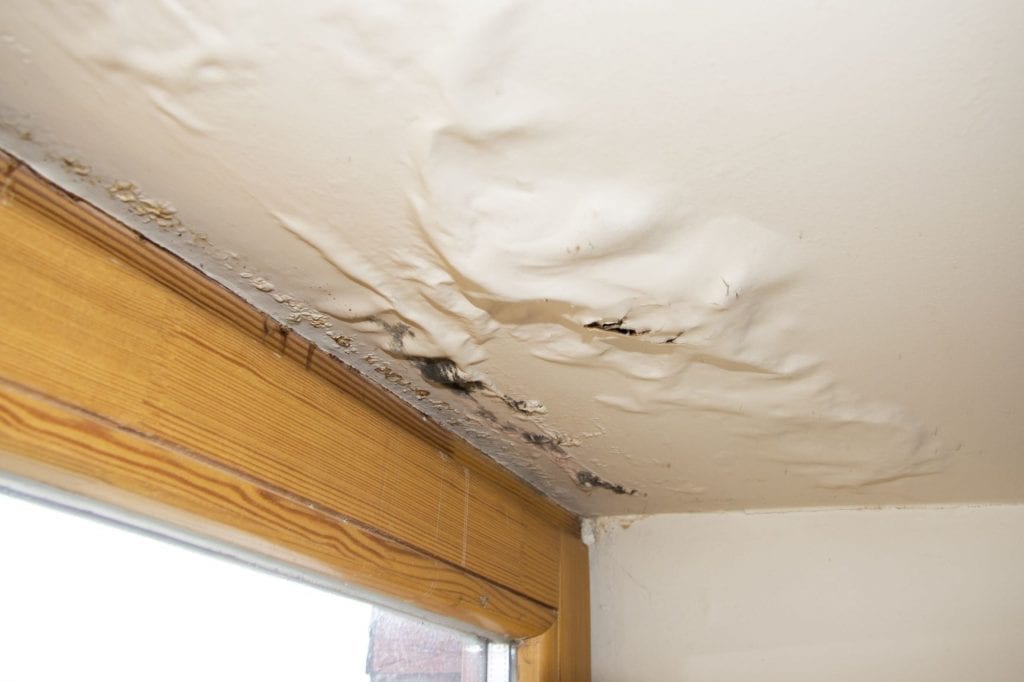
- Peeling or bubbling paint and wallpaper
- Unexplained allergic reactions at home
- Water stains or recent leak damage
If you notice any of these, don’t ignore them. Early detection makes it much easier to get rid of mold before it spreads. I always tell people to check humid areas first. Bathrooms, basements, and kitchens are the usual suspects.
Understanding the Type of Mold You're Dealing With
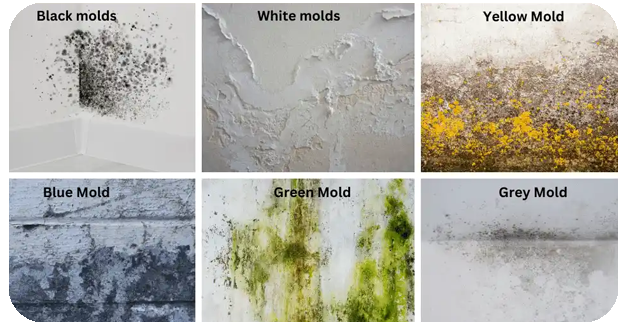
Not all fungus is created equal. Some types are mostly just ugly and smelly. Others can cause real health concerns. When I assess a situation, identifying what we’re dealing with helps determine the best approach to get rid of mold safely.
Common household fungal growth appears green, white, or gray. It often grows on shower tiles, windowsills, and damp corners. This type is usually surface-level and responds well to basic cleanin
Black Mold vs Regular Mildew
Here’s something many homeowners mix up. Mildew is actually a type of fungus, but it’s typically less serious. It sits on surfaces and wipes away fairly easily. You’ll often find mildew on shower curtains or bathroom ceilings. It looks powdery or flat.
Black mold is different. It’s darker, often slimy, and penetrates deeper into materials. This type needs more aggressive treatment. If you spot extensive dark fungal growth, especially after flooding, you should get rid of mold professionally. Don’t take chances with your family’s health in these cases.
How to Get Rid of Mold in Bathrooms and Showers
Bathrooms are fungus’s favorite hangout spot. All that moisture creates perfect growing conditions. I’ve cleaned hundreds of bathroom situations, and the process is pretty straightforward for most cases. Let me show you how to get rid of mold effectively.
Start by mixing one cup of bleach with one gallon of water. Open a window or turn on the fan for ventilation. Spray the solution on affected areas and let it sit for 15 minutes. Then scrub with a stiff brush and rinse thoroughly. For grout lines, an old toothbrush works great.
If you prefer natural options, white vinegar works well too. Spray it undiluted on affected surfaces and wait an hour before scrubbing. Vinegar won’t bleach colored tiles like chlorine can. Either way, dry the area completely when you’re done. Standing moisture just invites the problem back.
The Best Ways to Get Rid of Mold on Walls
Wall fungus is trickier than bathroom tile issues. You need to figure out if it’s just on the surface or growing inside the drywall. Surface growth on painted walls can often be cleaned. But if the wall feels soft or spongy, you’ve got deeper issues.
For surface cleaning, use that same bleach solution or a commercial remover. Work in small sections and avoid saturating the wall. Too much liquid can make things worse. After cleaning, let the wall dry completely before repainting. This helps you get rid of mold for good.
Here’s a tip from my experience. Always fix the moisture source first. I’ve seen homeowners remove mold three times before realizing a leaky pipe was the real culprit. Check for plumbing issues, poor ventilation, or foundation cracks before you start scrubbing.
Tips to Remove Mold from Fabric
Fabric items like curtains, clothing, and upholstery can also develop fungal problems. The key is catching it early. Fresh growth on fabric usually comes out with proper washing. Older, set-in spores are much harder to remove.
Take affected items outside and brush off loose spores. Then wash in hot water with regular detergent and a cup of white vinegar. For stubborn spots, make a paste of baking soda and water. Apply it, let it dry, then brush it off before washing. This method helps you get rid of mold on most washable fabrics.
Some fabrics, like dry-clean-only items, need professional treatment. And honestly, if fungus has seriously damaged fabric, sometimes replacement is the smarter choice. Old pillows or cheap curtains aren’t worth the effort.
Simple Ways to Prevent Mold Growth
Learning to get rid of mold is only half the battle. Prevention keeps you from doing this again next month. I always spend time with homeowners discussing long-term solutions. Stopping fungal growth really comes down to controlling moisture.
Run exhaust fans during and after showers for at least 20 minutes. Fix leaky faucets and pipes right away. Keep indoor humidity below 50 percent. A simple hygrometer from the hardware store helps you monitor levels.
Good airflow matters too. Don’t push furniture directly against exterior walls in humid climates. Keep closet doors cracked open. In basements, a dehumidifier is often your best friend. These small habits make a huge difference for mold prevention.
When to Call a Professional to Get Rid of Mold
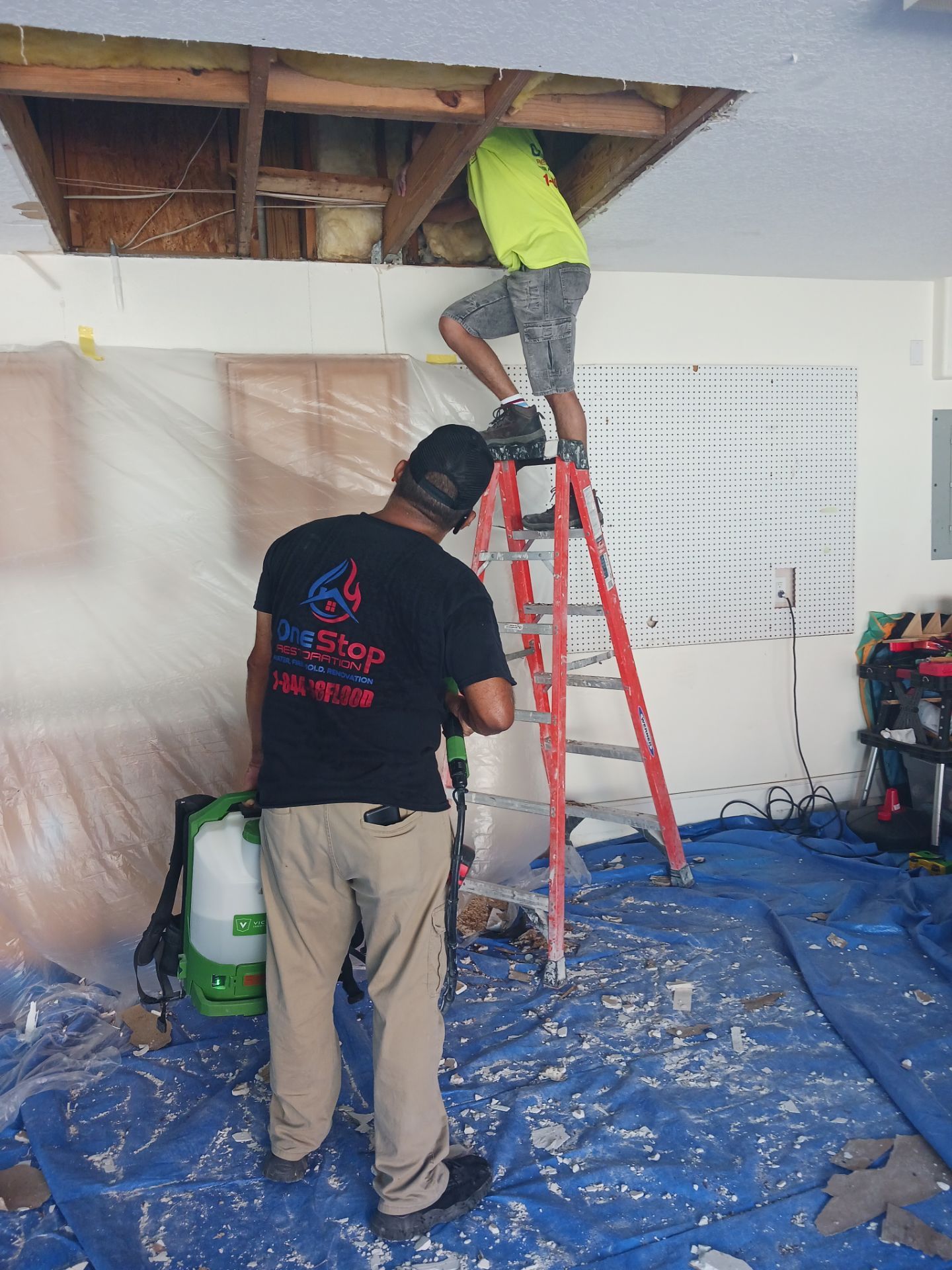
Sometimes DIY cleaning isn’t enough. Knowing when to call a professional protects both your home and your health. I never recommend homeowners tackle large-scale fungal problems alone. Some jobs need expert mold and mildew removal services.
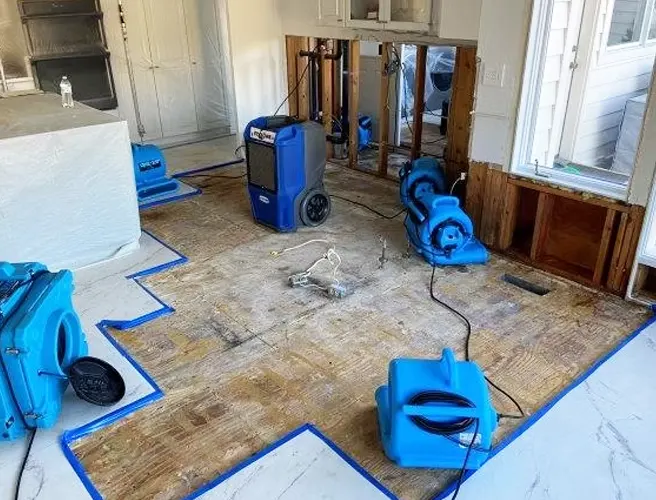
Consider calling a professional if the affected area covers more than 10 square feet. Also call if you’ve had flooding or sewage backup. Health concerns like persistent respiratory symptoms also warrant expert help. Professionals have specialized equipment and training for serious situations.
The cost of professional removal varies based on severity. But it’s worth it for peace of mind. Experts can also identify hidden growth you might miss. They’ll test air quality and ensure complete removal. For small bathroom spots, DIY works fine to get rid of mold yourself. For anything bigger, get professional mold removal services.
Frequently Asked Questions
Q: Can I paint over fungus to get rid of mold spores?
A: No, painting over fungal growth doesn’t kill it. The spores continue growing underneath the paint. Eventually, it pushes through and creates an even bigger mess. Always clean and dry affected surfaces completely before painting. Use a resistant primer as an extra layer of protection. Skipping proper removal just delays the inevitable and wastes money on paint.
Q: How quickly does fungus grow after water damage?
A: Fungal spores can start growing within 24 to 48 hours after water exposure. That’s why fast action after leaks or flooding is so important. Dry everything thoroughly within that window to prevent problems. Use fans, dehumidifiers, and open windows. If materials stay wet longer, assume growth has begun and inspect carefully.
Q: Is bleach or vinegar better for killing fungus?
A: Both work, but they’re suited for different situations. Bleach is stronger and better for non-porous surfaces like tiles and bathtubs. Vinegar penetrates porous materials better and is safer for colored surfaces. Bleach can damage fabrics and grout over time. For regular bathroom cleaning, vinegar is usually my go-to recommendation.
Q: Can fungal spores make you sick even if you can't see them?
A: Absolutely. Hidden growth behind walls or under floors releases spores into your air. These spores cause allergic reactions, respiratory issues, and other health problems. If you have unexplained symptoms that improve when you leave home, hidden fungus could be the cause. Consider professional testing if you suspect invisible growth.
Q: How do I know if damage is too severe for DIY cleaning?
A: Watch for these red flags. Growth covering large areas over 10 square feet needs professional help. Fungus inside HVAC systems requires expert cleaning. If drywall or wood feels soft or crumbling, the damage goes too deep. Also, recurring problems that keep coming back suggest a bigger moisture issue that needs professional assessment.
Q: Does homeowner's insurance cover removal costs?
A: Coverage varies widely by policy and cause. Most policies cover fungal damage resulting from sudden, covered events like burst pipes. However, growth from long-term neglect, humidity, or maintenance issues typically isn’t covered. Check your specific policy language and document everything. Taking photos and keeping receipts helps if you need to file a claim.