One Stop Restoration

Category: Water damage

  • Bathroom Remodeling After Water Damage Explained

    Bathroom Remodeling After Water Damage Explained

    water damage bathroom mold

    Dealing with moisture issues in your home can be overwhelming. When your shower or toilet area needs renovation due to leaks or flooding, it’s the perfect time to consider a full bathroom remodeling project. We understand the stress of unexpected home repairs, but with expert guidance, this challenge can become an opportunity to create the space you’ve always wanted. Let’s explore how to transform your disaster into a beautiful new design

    Assessing Water Damage for Your Bathroom Remodeling Project

    Before jumping into any renovation plan, a thorough inspection is essential. Moisture problems often extend beyond what’s visible to the eye. Hidden issues lurk behind walls, under floors, and within ceiling spaces.

    A professional bathroom remodeling assessment will reveal the true extent of the problem. We look for signs of mold, structural weakening, and electrical concerns. This initial evaluation helps determine if you need partial updates or a complete overhaul. The inspection results form the foundation of your renovation budget and timeline. Don’t skip this critical step, as missed problems now can cause headaches later.

    The Bathroom Remodeling Process: From Damage to Renewal

    Once we’ve completed the assessment, the transformation begins! The process typically follows these key steps:

    • Removal of affected materials (tiles, drywall, insulation)
    • Thorough drying and treatment for mold prevention
    • Structural repairs where needed
    • Waterproofing installation
    • Fresh installation of fixtures, tiles, and finishes
    • Final inspections and touch-ups

    The journey from moisture problems to a stunning new space takes careful planning. Quality bathroom remodeling focuses on creating a solid foundation before adding the beautiful finishing touches. This methodical approach ensures your renovation stands the test of time. Remember, proper restoration now prevents future issues, saving you money and stress down the road.

    Bathroom Remodeling Ideas that Enhance Value and Function

    Turning misfortune into opportunity means thinking beyond simple repairs. Consider incorporating features that boost both practicality and property value. Modern walk-in showers with zero-threshold entries offer accessibility and style. Floating vanities create visual space while making cleaning easier.

    Smart storage solutions address clutter without sacrificing style. Water-resistant vinyl plank flooring provides durability with the look of natural wood. Consider adding heat beneath tile floors for comfort on chilly mornings. The best bathroom remodeling projects include energy-efficient fixtures and LED lighting to reduce utility bills while adding ambiance. These thoughtful upgrades transform your renovation project into a worthwhile investment.


    Choosing the Best Bathroom Remodeler for Water Damage Repair

    Finding the right professional team makes all the difference in your project’s success. Look for contractors with specific experience handling moisture-related renovations. Ask potential companies about their process for addressing hidden problems and preventing future leaks.

    Check reviews, request references, and verify proper licensing and insurance. The right bathroom remodeling team should offer transparent pricing, detailed contracts, and clear communication throughout the project. Specialists who understand both restoration and design will deliver the best results. Don’t hesitate to ask questions about materials, timelines, and warranties before making your decision.

    Creating Your Dream Bathroom Renovation With Us

    We approach every new bathroom remodeling project with care and attention to detail. Our team specializes in transforming challenging situations into beautiful, functional spaces you’ll love. We handle everything from insurance paperwork to final fixture installation.

    Our design experts work with you to select materials and features that match your vision and budget. We communicate clearly through each phase of work, so you’re never left wondering about progress. Our proven process minimizes disruption to your daily life while maximizing quality results. Let’s turn your unfortunate situation into an exciting opportunity to create the perfect space for relaxation and rejuvenation

    FAQ

    How much to fix water damage in a bathroom?

    Costs typically range from $1,200 to $5,000 depending on damage severity. Minor issues might need $1,500 for drywall and tile replacement, while major structural damage can reach $10,000+. Labor makes up about 50% of expenses. Always get multiple quotes from licensed contractors for your bathroom remodeling project.

    A bathroom remodeling project after water issues gives you an 60-70% return on investment when selling. Beyond financial benefits, you’ll eliminate hidden mold and structural problems, prevent future leaks, update outdated fixtures, and improve energy efficiency. It transforms a stressful situation into a chance to create your dream space.

    The top bathroom designs for 2025 feature walk-in showers with minimal glass panels, matte black fixtures, and smart technology integration. Wood-look waterproof flooring adds warmth, while floating vanities create visual space. Homeowners love nature-inspired colors and sustainable materials that combine luxury with eco-friendly function in their renovation projects.

  • Home Remodeling After Water Damage: 2025 Tips To Help

    Home Remodeling After Water Damage: 2025 Tips To Help

    Bathroom Remodeling After Water Damage

    Dealing with flooding in your home can feel overwhelming. The good news is that Home remodeling after water damage gives you a chance to make improvements. Many homeowners don’t realize this difficult situation can become an opportunity. You can transform your living space into something even better than before. Let’s look at some helpful advice for tackling restoration projects when excess moisture has taken its toll.

    Assessing Flood and Water Damage Before Home Remodeling

    Before starting any home remodeling after water damage, you need to understand what you’re dealing with. First, check if your home is safe to enter. Look for structural problems like sagging drywall or warped fixtures. Take photos of everything for insurance purposes.

    Inspect which materials can be saved and which need replacement. Drywall often needs cutting at least 12 inches above the moisture line. Some flooring typically requires complete replacement, while hardwood might be salvageable with proper drying techniques. A thorough assessment helps plan your renovation budget effectively.

    Working With Your Insurance Company and Restoration Company

    Contact your insurance provider immediately after discovering a burst pipe or flooding. Most policies cover sudden accidents but may not cover gradual leaks. Document everything and keep all receipts from your cleanup efforts.

    Professional water damage restoration services can make a huge difference in your recovery process. They have specialized equipment for proper drying. Ask potential restoration companies:

    • How many similar projects have they completed?
    • Do they coordinate with insurance providers?
    • What’s their timeline for completion?
    • Do they handle both cleanup and reconstruction?
    • Can they provide references from past clients?

    Effective Water Damage Repair and Mold Remediation Strategies

    Addressing mold growth is essential after moisture problems. Mold starts growing within 24-48 hours, so quick action matters. For larger affected areas, professional remediation becomes necessary.

    Complete drying must happen before any home remodeling after water damage begins. Use dehumidifiers to ensure everything is thoroughly dry. Many homeowners skip this crucial step and face problems later. Consider antimicrobial treatments for moisture-prone areas to prevent future issues and protect your family’s health.

    Renovation Techniques for Water-Damaged Floors

    Flooring often suffers the worst during flooding events. Carpet padding almost always needs replacement, even when the carpet seems fine. For hardwood, sometimes professional restoration techniques can save it if addressed quickly.

    When planning your home remodeling after water damage, consider moisture-resistant flooring options. Luxury vinyl, ceramic tile, and sealed concrete work great in flood-prone areas. These materials resist future minor incidents and don’t easily harbor mold. Your restoration company can recommend the best options for your specific situation.

    Preventing Future Water Damage After Your Home Remodel

    While renovating, take steps to prevent future issues. Install water leak detectors near appliances and under cabinets. Smart systems can even alert your phone when problems occur.

    Consider upgrading to fixtures with automatic shutoff features. Improve drainage around your foundation by adjusting landscaping. Replace old plumbing showing signs of wear. These prevention strategies protect your new countertops and cabinetry from future damage, giving you peace of mind after your renovation project is complete.

    Home Remodeling After Water Damage Is Your Way To Go

    Though challenging, Home remodeling after water damage presents an opportunity to improve your home. You can update outdated cabinets and create a more functional living space while addressing the underlying issues. Many homeowners end up with rooms they enjoy more than before.

    Take time planning your project. Consider both practical improvements and design changes. A thoughtful approach to Home remodeling services can transform this difficult situation into a positive change. Your restored home can become more beautiful and functional than ever before.

    FAQ

    How long does it take for walls to dry after water damage?

    Walls typically take 3-5 days to dry after water damage, depending on several factors. The severity of the water damage, type of wall material, humidity levels, and ventilation all affect drying time. Professional restoration companies use specialized equipment like industrial dehumidifiers and air movers to speed up this process significantly.

    Don’t wait to start cleanup – mold growth begins within 24 hours. Never use regular vacuum cleaners on wet areas. Avoid turning on ceiling fixtures if water affected them. Don’t keep wet furniture in place. Never ignore hidden moisture behind walls. Skipping professional assessment can lead to structural problems and health hazards.

    First, remove wet drywall by cutting 12 inches above the water line. Thoroughly dry the wall cavity using fans and dehumidifiers. Apply antimicrobial spray to prevent mold. Install new moisture-resistant drywall, then tape and mud the seams. Prime with stain-blocking primer, then paint. Consider adding waterproof backing in high-risk areas.

  • Why Removing Mold From a House Needs a Professional

    Why Removing Mold From a House Needs a Professional

    Remodeling After Water Damage:

    Have you noticed dark patches growing in your bathroom or basement? Those spots aren’t just unsightly – they could be harmful to your health. Removing mold from a house isn’t a simple weekend DIY project. It requires specialized knowledge, proper equipment, and careful techniques to ensure the problem doesn’t return. Let’s explore why calling in the experts is your best move when dealing with fungal growth in your home.

    Removing Mold From A House Is A Professional Task ONLY

    Many homeowners think they can handle fungal cleanup with some store-bought cleaner and elbow grease. This approach often makes the situation worse. Removing mold from a house requires experts with specialized training to identify different types of fungal growth and determine the underlying cause. They know exactly which techniques work best for each situation.

    The pros also use industrial-grade equipment like HEPA vacuums and air scrubbers that simply aren’t available to the average person. Removing mold from a house properly requires containing the affected area to prevent spores from spreading to other parts of your home.

    The Hidden Dangers of DIY Mold Cleanup

    When you disturb fungal colonies without proper protection, you release millions of spores into the air. These tiny particles can trigger allergic reactions, respiratory issues, and other health problems. Professionals wear protective gear for a reason!

    Additionally, DIY attempts often address only the visible problem. The real issue usually extends beyond what you can see. Removing mold from a house involves finding and fixing the moisture source that allowed the growth to begin with. Without addressing this root cause, the problem will keep coming back.

    Why Bleach Isn’t an Effective Remedy for Mold Removal

    Despite popular belief, bleach isn’t the answer to fungal problems. Here’s why:

    • Bleach only removes surface discoloration but doesn’t kill the roots on porous materials
    • It loses effectiveness quickly and provides no lasting protection
    • The harsh chemicals can damage many home surfaces
    • Bleach creates harmful fumes that can irritate your lungs and skin
    • It doesn’t address the underlying moisture issue causing the growth
    removing mold from a house

    Understanding the Professional Mold Remediation Process

    Removing mold from a house should start with a thorough assessment. When you hire experts, they follow a systematic approach. First, they conduct a complete inspection to assess the extent of the problem. Next, they contain the affected area using plastic sheeting and negative air pressure to prevent cross-contamination.

    The actual cleanup involves HEPA vacuuming, air scrubbing, and treating surfaces with appropriate antimicrobial solutions. Removing mold from a house might require professionals to remove and dispose of materials that can’t be salvaged, like severely affected drywall or carpeting. Finally, they clean the air and surfaces to eliminate remaining spores.

    Preventing Future Mold Growth After Professional Treatment

    After professional remediation, keeping your home fungus-free requires ongoing attention to moisture control. Fix leaky pipes promptly and use dehumidifiers in damp areas like basements. Proper ventilation in bathrooms and kitchens helps too.

    Consider having your HVAC system professionally cleaned, as ductwork can harbor spores. Removing mold from a house successfully means staying vigilant about these preventive measures. Many remediation companies offer follow-up inspections to ensure the problem hasn’t returned.

    Why Professional Help is Essential for Removing Mold from a House

    The stakes are simply too high to risk DIY solutions when it comes to fungal remediation. Professional services might seem expensive initially, but they’re far cheaper than dealing with structural damage or medical bills from prolonged exposure.

    Experts bring the knowledge, equipment, and experience needed to handle the situation safely and effectively. Removing mold from a house with professional help ensures peace of mind knowing that the problem is truly solved, not just temporarily covered up. Your family’s health and your home’s integrity are worth the investment in proper remediation services.

    Removing mold from a house is always best left to trained professionals who understand the complexity of the task and have the right tools to get the job done right the first time.

    FAQ

    Can you safely remove mold yourself?

    No, DIY fungal removal is risky business! Small surface patches (less than 10 square feet) might be manageable, but larger infestations require professionals. Without proper equipment and knowledge, you’ll likely spread spores throughout your home. Plus, certain types can cause serious health issues when disturbed. Better safe than sorry!

    Removing mold from a house permanently requires addressing the moisture source first. Fix leaks, improve ventilation, and use dehumidifiers in damp areas. After professional remediation, maintain indoor humidity below 60%. Regular inspections of problem areas like bathrooms and basements help catch new growth early. Prevention is your best strategy!

    Removing mold from a house protects both your health and property. Fungal spores trigger allergies, asthma attacks, and respiratory issues, especially in children and elderly people. They also damage building materials over time, compromising structural integrity and reducing property value. Quick action prevents these serious consequences from developing.

  • Do You Need Pipe Drain Cleaner, Or Expert Services?

    Do You Need Pipe Drain Cleaner, Or Expert Services?

    Do You Need Pipe Drain Cleaner

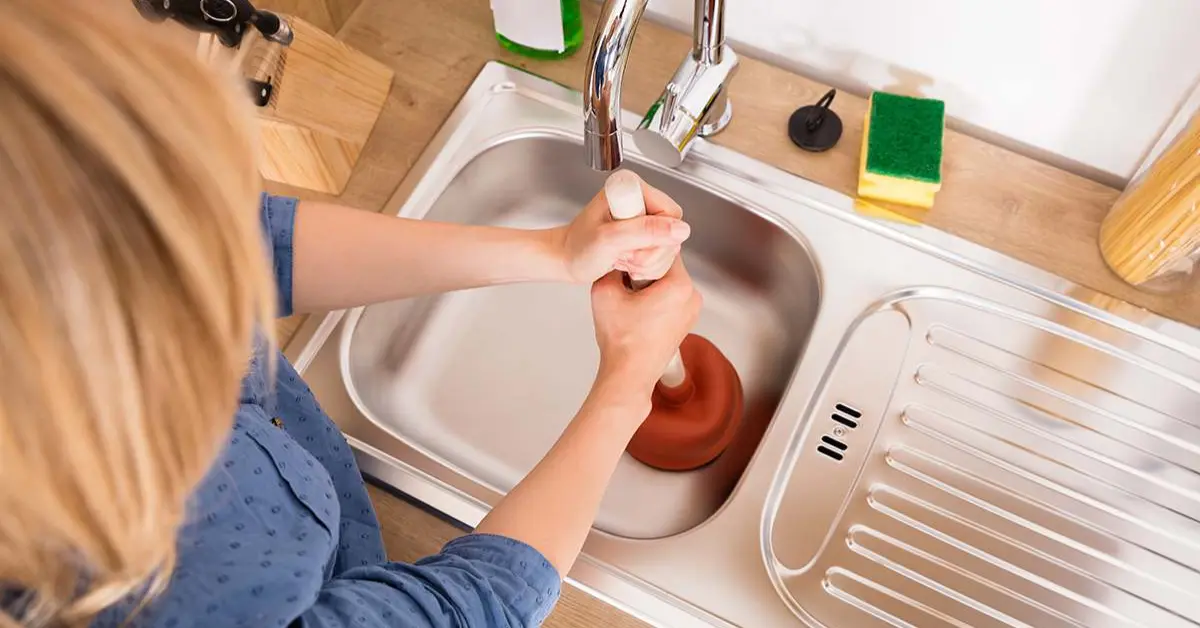
    Standing in ankle-deep water during your shower or watching a sink drain at glacial speed are frustrating household experiences we’ve all encountered. When facing these common plumbing issues, many homeowners reach for the nearest bottle of drain cleaner. But is this always the best solution?\

    Learning About Common Drain Clogs in Your Home

    Most drain blockages form from everyday household substances. In kitchen drains, cooking oils and food remnants gradually accumulate, adhering to pipe walls and creating stubborn obstructions. Bathroom clogs typically result from hair buildup and soap residue collecting in drain traps.

    Shower drains capture surprising amounts of hair over time! Toilet clogs usually involve excessive toilet paper or non-flushable items. Understanding your specific clog type is crucial for selecting the appropriate drain cleaning solution. Different blockages require different treatments, making proper identification the essential first step in resolving any drain problem.

    Different Types of Drain Cleaner Explained

    When tackling a sluggish drain, multiple solutions exist. Retail stores offer various drain clearing products, each formulated for particular blockage types. Your main choices include caustic chemical solutions, biological enzyme-based formulas, and physical approaches such as plungers or augers.RetryClaude can make mistakes. Please double-check responses.

    Chemical Drain Cleaner vs. Enzymatic Options for Different Pipes Options

    Chemical drain cleaners deliver rapid results but may harm plumbing systems. Their potent ingredients break down blockages through aggressive chemical reactions. While effective against grease and soap residue, they potentially damage aging pipes and septic systems. Enzymatic drain cleaners utilize beneficial bacteria to consume organic obstructions, offering a gentler but slower-acting alternative.

    Your plumbing material is an important consideration. PVC piping generally withstands most cleaning solutions, while older metal pipes can deteriorate when exposed to harsh chemicals. For preventative maintenance, enzymatic products help inhibit accumulation without risking pipe deterioration. Always thoroughly review product instructions before introducing any solution into your drain system.

    Understanding Common Drain Clogs in Your Home

    When to Call an Expert Plumber Instead of Using a Drain Snake

    Sometimes DIY just won’t cut it. Here are signs you need professional help:

    Professional plumbers utilize advanced drain cleaners that extends beyond the reach of residential drain augers. They can also identify potential complications before they escalate into emergencies. A skilled technician does more than simply clear obstructions—they determine the underlying cause and implement preventative measures for lasting solutions.

    For properties with aging plumbing infrastructure or septic systems, expert consultation becomes particularly crucial. Using inappropriate cleaning products could result in costly damage that significantly exceeds the expense of a professional service visit.

    Choosing Correctly: Protecting Your Pipes and Septic System

    Preventative maintenance surpasses reactive solutions for drain care. Installing mesh strainers in kitchen sinks and shower drains captures hair and food debris before they create blockages. Regular cleaning with mild solutions maintains proper water flow throughout your system.

    Households with septic systems require special consideration regarding drain treatments. Many chemical formulations can disturb the essential bacterial ecosystem that septic systems depend on for effective operation. For these installations, biological enzyme-based drain cleaners typically represent the more appropriate option.

    Your plumbing network constitutes a vital component of your home infrastructure. Proper maintenance prevents unnecessary expenses and frustrations in the future. When uncertain about drain treatment options, seek professional guidance. 

    Plumbing experts can suggest suitable products for your specific system configuration and help prevent expensive errors.

    FAQ

    What is the best thing for cleaning drains?

    Enzymatic products work wonders for pipes by breaking down organic matter naturally. For regular maintenance, pour hot water weekly to prevent buildup. Professional hydro-jetting offers the most thorough pipe restoration for stubborn blockages, though it costs more than store solutions.

    The fizzy reaction looks impressive but offers minimal effectiveness on serious blockages. It might help with minor odors and light buildup in pipes, but don’t expect miracles. For better results, try commercial enzymatic solutions or mechanical methods like snaking the pipes.

    For minor issues, try a plunger first – it’s surprisingly effective. Mechanical augers (snakes) can remove hair and debris without damaging pipes. For tough blockages, call professionals with specialized equipment. Avoid harsh chemicals that can damage your plumbing system over time.

  • What To Do With A Flooded House

    What To Do With A Flooded House

    What To Do With A Flooded House

    Discovering water damage in your home is a stressful experience. It can be overwhelming, and you might not know where to start. We get it, and we’re here to help you through it. Dealing with a flooded house requires quick thinking and a clear plan. This guide will walk you through the essential steps to take right after you find water, ensuring you, your family, and your property stay safe. Let’s get your home back to normal.

    Immediate Actions When You Have A Flooded House

    Your first priority is safety. Before you do anything else ion your flooded house, you need to address the most immediate dangers. Water and electricity are a dangerous mix. So, it’s critical to handle this situation carefully to prevent any accidents. Taking the right steps from the very beginning can make a huge difference in the outcome of your cleanup and recovery efforts. It protects both you and your property from further harm.

    Immediate Actions When You Have A Flooded House

    Turn Off Electricity and Call for Help

    If you can safely reach your home’s main breaker box, turn off the electricity. If you have to walk through water to get to it, don’t! In that case, call an electrician for help. Once the power is off, it’s time to call for professional assistance. A water damage restoration company has the right tools and training to handle a flooded house safely and effectively. They can start the drying process right away.

    How to Start the Cleanup Process After a House Flood

    Once the professionals have arrived and the area is safe, the cleanup  of your flooded house can begin. The goal is to remove the water as quickly as possible. The longer water sits, the more damage it causes. Starting the cleanup promptly is key to salvaging your belongings and the structure of your building. A systematic approach will make the process much more manageable and less overwhelming for you and your family.

    Document the Damage for Insurance Claims

    Before you move or throw anything away, take pictures and videos. Document everything. Your insurance company will need proof of the damage. Make a detailed list of all damaged items, including furniture, electronics, and personal belongings. This documentation is crucial for a smooth insurance claim process. Having clear records will help ensure you get the compensation you deserve for your flooded house. This is a very important step.

    Preventing Mold and Keeping Your Flooded Home Safe

    With the standing water gone, the next concern is what the moisture leaves behind. A damp environment is the perfect breeding ground for mold. Preventing mold growth is essential for your health and the safety of your home. A flooded house needs to be dried out completely. This means not just the surfaces but also the air itself. Proper ventilation and dehumidification are your best friends in this stage.

    After dealing with a flooded house, you need to focus on drying everything out. Here are a few key steps:

    Taking these actions quickly helps stop mold before it can start. A dry home is a safe home. Remember that a flooded house can have hidden moisture, so be thorough.

    FAQ

    What are the common causes of house flooding?

    A flooded house event can happen for many reasons. Often, it’s due to a natural disaster like a hurricane or heavy rains overwhelming drainage systems. However, problems inside your home are also common culprits. An appliance malfunction, like a leaking water heater or a burst pipe, can release a surprising amount of water. Even a clogged gutter can cause water to enter your home.

    To protect your home from being a flooded house, start with maintenance. Regularly clean your gutters and ensure the ground slopes away from your foundation. Inside, consider installing a sump pump in your basement or crawl spaces to handle groundwater. A backflow valve on your main drain can prevent sewage from backing up. Having flood insurance provides a financial safety net for any homeowner.

    Deciding whether to repair depends on the extent of the flood damage and your resources. Assess the structural damage; if it’s severe, costs can be very high. Compare repair estimates with your home’s value and your flood insurance coverage. For many, repairing is the right choice, but if the home is in a frequent flood zone, a homeowner might reconsider.

  • Water Damage Restoration Near Me | Florida

    Water Damage Restoration Near Me | Florida

    Signs You Need Water Damage Restoration Near Me

    Hey there, Florida homeowners! Let’s talk about something we all dread – those unexpected leaks and floods that can turn your beautiful home into a soggy mess. When your property gets soaked, finding fast, reliable water damage restoration near me is super important. That’s why our Orlando-based team at One Stop Restoration Of FL is ready to jump into action whenever moisture problems strike your home or business.

    Signs You Need Water Damage Restoration Near Me

    Ever noticed those sneaky brown spots on your ceiling? Or maybe your floors feel a bit spongy when you walk across them? These are tell-tale hints that you might need professional water damage restoration near me services. Don’t ignore that musty smell that seems to hang around no matter how much air freshener you spray!

    Your walls might also give you clues – peeling paint or wallpaper is often a sign that water is where it shouldn’t be. And if your water bill suddenly skyrockets without explanation, you could have a hidden leak somewhere in your home. These issues won’t fix themselves and usually get worse without proper water damage restoration near me.

    Emergency Water Damage Situations That Require Immediate Attention

    Emergency Water Damage Situations That Require Immediate Attention

    Some wet situations just can’t wait. If you’re dealing with any of these scenarios, it’s time to call for professional water damage restoration near me help right away:

    Quick action in these situations can save thousands in repair costs and prevent dangerous mold growth. Remember, our team is available 24/7 for these urgent situations – because moisture problems don’t follow business hours!

    Common Causes of Water Damage in Florida Homes

    Living in the Sunshine State comes with some unique challenges for homeowners. Our heavy tropical downpours can test even the best roofing systems. Those beautiful summer thunderstorms often bring lightning that can knock out power to sump pumps when you need them most.

    Hurricanes and tropical storms are obvious threats, but did you know that your everyday appliances pose risks too? Dishwashers, water heaters, and air conditioning units can all spring leaks when you least expect it. Without prompt water damage restoration near me, these minor issues can quickly turn into major headaches for Florida homeowners.

    Benefits of Hiring a Local Water Damage Restoration Company

    When moisture problems strike, having a local expert team makes all the difference. We can reach you quickly, often within an hour of your call. This fast response means less time for moisture to soak into your walls, floors, and belongings.

    Local water damage restoration near me pros like us understand Florida’s unique climate challenges and building styles. We know how moisture behaves in our humid environment and how to properly dry different materials in your home. Plus, we work directly with insurance companies to make the claims process smoother for you – one less headache during a stressful time!

    Why Choose One Stop Restoration Of FL for Your Water Damage Restoration Near You

    We’re not just another cleanup crew – we’re your neighbors here in Orlando. Our technicians are certified experts who treat your home with the same care they would their own. We use advanced equipment that can detect hidden moisture in walls and under floors that might be missed by the untrained eye.

    From the moment you call until the last dehumidifier leaves your property, we focus on clear communication. You’ll always know what we’re doing, why we’re doing it, and what comes next. Our comprehensive water damage restoration near me services aren’t just about drying your home – they’re about restoring your peace of mind and getting life back to normal as quickly as possible.

    Don’t let moisture problems soak up your time, money, and patience. Contact One Stop Restoration Of FL today and discover why so many of your Florida neighbors trust us with their homes when unexpected water situations strike!

    FAQ On Flooring Demolition Services

    Do you offer exceptional water damage restoration services near me?

    Yes! One Stop Restoration Of FL provides exceptional water damage restoration near me services throughout Florida. Our emergency services include water extraction, mold remediation, and a complete restoration process. We respond 24/7 to remove standing water and restore your property to pre-damage condition fast.

    Local experts like us arrive faster when standing water threatens your home. The longer water sits, the worse the damage gets. We understand Florida’s unique humidity challenges and can immediately begin the water extraction and cleaning services to prevent mold growth.

    Call professionals immediately! The extent of the damage worsens every hour. While waiting, turn off electricity and move valuables. Our team will handle water extraction, drying, cleaning and restoration. We also provide mold remediation and can address fire damage if needed.

  • Professional Flooring Demolition For Water Damaged Homes

    Professional Flooring Demolition For Water Damaged Homes

    Professional Flooring Demolition

    When water invades your home, it can wreak havoc on your home. Trust me, I’ve seen it all. Soggy carpets, warped hardwood, and crumbling tiles are just the beginning. Getting these damaged materials out is the first step to recovery. A proper flooring demolition job sets the stage for fresh, beautiful new surfaces. Let’s dive into what you need to know about removing those water-damaged things and starting fresh.

    Understanding Water Damage Impact on Flooring Demolition Services

    Water damage isn’t always obvious right away. Sometimes it hides beneath the surface, causing problems months later. When moisture seeps into your home, it can create mold, weaken structures, and ruin adhesives. This makes flooring demolition more complex than just ripping things up.

    The longer water sits, the worse the damage gets. Quick action is key! Professional demo teams know how to spot hidden moisture issues that might not be visible to the untrained eye. They’ll make sure to remove all compromised materials so your new system have a solid foundation.

    Understanding Water Damage Impact on Flooring Demolition Services

    How Water Affects Tile, Hardwood, and Carpet

    Different types react to water in unique ways. Carpet soaks it up like a sponge and quickly becomes a breeding ground for mold. The padding underneath is often the worst part, holding gallons of water against your subfloor.

    Hardwood tends to cup, warp, or buckle when wet. Even after it seems dry, the wood might still contain moisture that will cause problems later. Tile might seem okay at first, but water can seep through grout lines and damage the substrate below. This often requires complete removal during the flooring demolition process.

    The Complete Guide On Flooring Types

    Knowing what type of floor you’re dealing with helps determine the best removal approach. Each material presents unique challenges during demolition:

    Most homes have multiple floor types throughout, which makes the demolition job more complex. A pro team brings all the right tools for each surface they’ll encounter.

    Concrete requires heavy-duty equipment if it needs replacing

    The right tools make flooring demolition go much faster. Pros don’t just show up with a crowbar and hope for the best! They bring specialized equipment designed for specific materials.

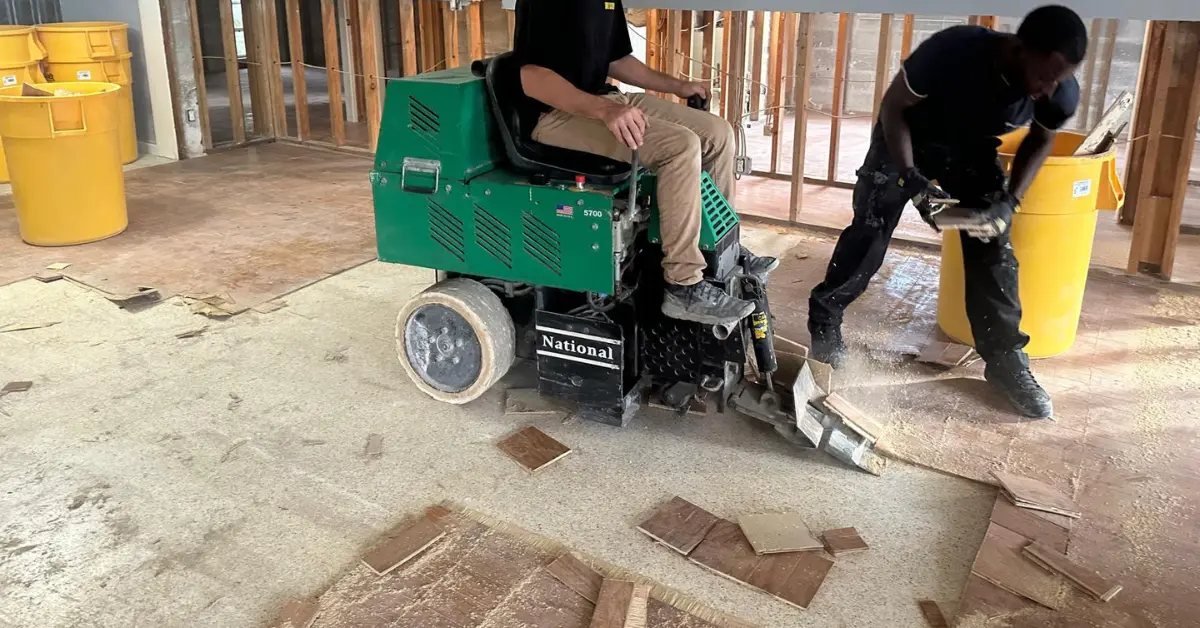
    Power scrapers, demolition hammers, and industrial vacuums speed up the process dramatically. These tools also help protect the structure of your home during removal. DIY methods often cause unnecessary damage to the beneath or walls, creating bigger problems down the road.

    Using Floor Scrapers for Adhesive and Old Flooring

    One of the toughest parts is dealing with old adhesives. Those stubborn glues can seem impossible to remove! Professional scrapers make quick work of this challenging task.

    The right scraper can strip away layers of old material without damaging what’s underneath. This saves hours of backbreaking work and ensures a clean surface for your new materials. Without proper adhesive removal, new materials won’t bond correctly, leading to failures later on.

    Why Flooring Demolition Services Ensure Successful New Installation

    Hiring pros for flooring demolition saves you time, protects your home, and creates the perfect foundation for new materials. They’ll remove everything down to a clean, level surface ready for whatever comes next.

    Experts also handle disposal properly, which is a bigger job than most people realize. Water-damaged materials often can’t go in regular trash, and some might contain hazardous materials that require special handling. A professional service takes care of all this for you, making the whole process stress-free.

    Remember, the quality of your demolition directly impacts how well your new floors perform. Cutting corners during removal almost always leads to problems with the new installation. When it comes to recovering from water damage, doing the demolition right the first time is always worth it!

    FAQ On Flooring Demolition Services

    What is the best way to remove flooring?

    Rent professional equipment like power scrapers and pry bars. Start at one corner, work systematically across the room. Wear protective gear, including knee pads, gloves, and goggles. For best results, clear furniture completely and tackle one section at a time.

    Heat works wonders on stubborn adhesives! Use a heat gun to soften the material, then scrape with a wide-blade tool. For tougher spots, try adhesive removers or a mixture of warm water and vinegar. Let it soak before attempting removal.

    Tile removal ranks among the most labor-intensive home projects. Breaking the first few pieces is challenging. Once you establish a pattern, progress improves. Expect dust, noise, and sore muscles. The substructure condition beneath determines overall difficulty.

  • Removing Bathroom Water Damage: Expert Advice

    Removing Bathroom Water Damage: Expert Advice

    Removing Bathroom Water Damage

    Have you ever walked into your shower area and noticed something wasn’t quite right? Maybe it was a musty smell or some weird staining on the wall. Bathroom water damage can cause serious problems if left unchecked. At One Stop Restoration Of FL, we see these problems daily and know exactly how to fix them. Let’s dive into what causes these moisture problems, how to spot them, and what you can do to prevent them.

    Understanding Bathroom Water Damage: Types and Causes

    Bathroom water damage can come from many sources. Leaky pipes behind walls often go unnoticed until they’ve created a big mess. 

    Overflowing toilets or tubs can send liquid seeping into floors and walls. Even high humidity from hot showers can lead to moisture buildup over time.

    The most common culprits we see include faulty plumbing connections, worn-out caulking around tubs and showers, and improperly sealed fixtures. 

    Older homes are especially vulnerable because pipes may have corroded or shifted over the years. Florida’s humid climate doesn’t help either – it creates perfect conditions for moisture-related issues to develop faster than in drier regions.

    Understanding Bathroom Water Damage

    Signs of Bathroom Water Damage to Watch For

    Catching bathroom water damage early can save you thousands in repairs. Keep an eye out for these telltale signs:

    Don’t ignore small signs! That tiny brown spot on your ceiling might seem minor now, but it could signal big trouble brewing above. We recently helped a client who ignored a small stain only to discover extensive rot in their floor joists that required major structural repairs.

    How Water Damage Impacts Your Health and Home

    The effects of bathroom water damage go beyond cosmetic problems. When it seeps into your home’s structure, it can weaken wooden supports and corrode metal fasteners. This compromises your home’s structural integrity over time and can lead to expensive repairs.

    Health-wise, damp environments become breeding grounds for mold and mildew. These fungi release spores that can trigger allergic reactions, respiratory problems, and other health issues. 

    Children, elderly people, and those with existing respiratory conditions are especially vulnerable. 

    Plus, the high humidity created by leaks makes your home less comfortable and can even attract pests looking for leaking sources.

    Professional Water Damage Restoration Process

    When we tackle bathroom water damage at One Stop Restoration, we follow a proven process to ensure complete recovery. 

    First, we identify and stop the source – no point in drying things out if it keeps coming in! Next, we remove all standing water using specialized equipment.

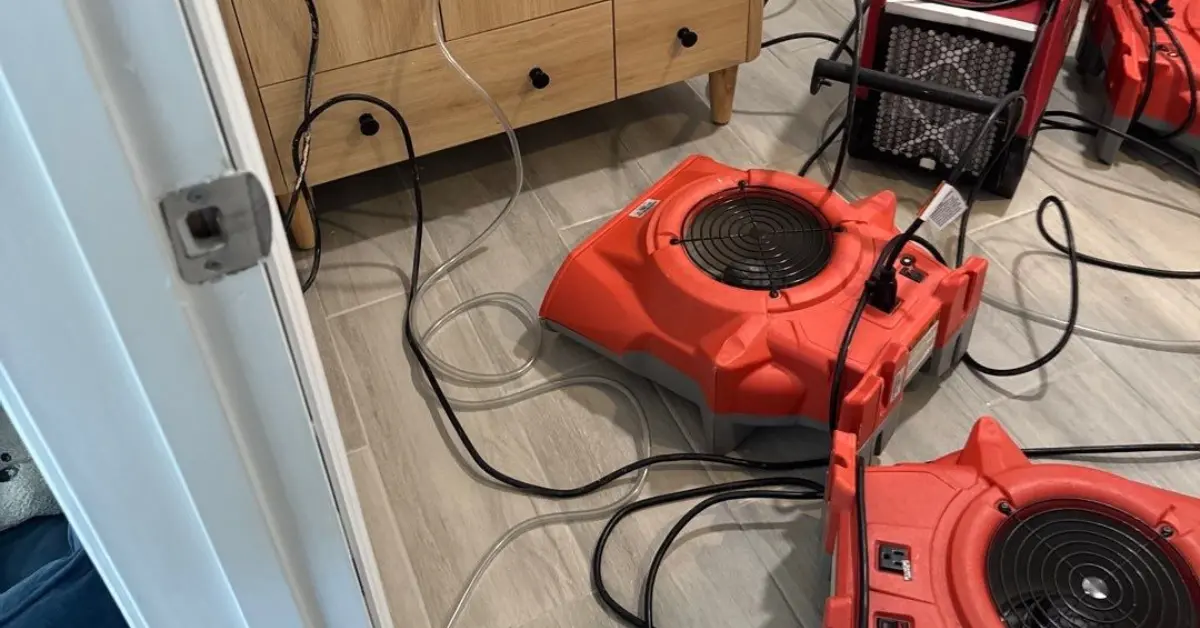
    The real work begins with thorough drying using industrial dehumidifiers and air movers. We’ll check moisture levels in walls and floors to ensure everything is completely dry before restoration begins. 

    Finally, we repair or replace affected materials – whether that’s drywall, flooring, or fixtures – and address any mold problems that developed. 

    Our goal is always to return your space to pre-loss condition or better while preventing future issues.

    How to Prevent Bathroom Water Damage: Essential Tips

    An ounce of prevention is worth a pound of cure when it comes to bathroom water damage. 

    Start by checking the caulking around your tub, shower, and sinks every six months and replace it if it’s cracking or peeling. Install a ventilation fan if you don’t have one, and always use it during showers to reduce humidity.

    Monitor your bill for unexpected increases – they could signal hidden leaks. Consider installing leak detectors near toilets and sinks for early warnings. And don’t forget about your grout! 

    Seal it annually to prevent water from seeping between tiles. These simple steps can help you avoid the headache and expense of major restoration projects down the road.

    When it comes to protecting your home from bathroom water damage, knowledge and quick action are your best defenses. 

    If you spot any warning signs, don’t wait – call the professionals at One Stop Restoration right away!

    FAQ

    How do I prevent water damage before it happens?

    Regular maintenance is your best defense! Check your bathroom floor for cracked tiles that might allow water to seep underneath. Install proper ventilation fans to remove excess water vapor after showers. Inspect plumbing connections monthly and replace worn seals. Apply fresh caulking around tubs and showers yearly. These simple steps help prevent costly structural damage down the road.

    Watch for peeling wallpaper or bubbling paint near shower areas. Discolored or warped bathroom floor sections often indicate hidden problems. Persistent musty odors typically signal mold growth has started. Stains on ceilings below bathrooms are major red flags. If cabinet bases feel soft or spongy, water may be seeping into the wood.

    Leaky pipes and faulty connections top the list! Overflowing toilets can cause water damage quickly, especially black water which contains contaminants. Shower curtains positioned incorrectly let water escape. Even clear water from small leaks causes problems over time. Cracked shower pans or poor grouting between tiles create hidden pathways for moisture. The type of water matters too – clean leaks are easier to address.

  • Water Mitigation Explained & Benefits

    Water Mitigation Explained & Benefits

    water mitigation explained

    Ever had a burst pipe or flooding in your home? It’s a nightmare, right? When moisture invades your space, quick action is essential. This process of limiting damage from unwanted moisture is called water mitigation. It’s different from restoration and focuses on preventing further harm. Let’s explore what this emergency service involves and why it’s crucial for protecting your property.

    What Is Water Mitigation?

    Water mitigation refers to the process of reducing or preventing the amount of damage caused by unwanted moisture in your home. Think of it as the first response team that arrives after a disaster. The goal isn’t to rebuild or restore – it’s to stop the situation from getting worse.

    When flooding happens, the damage can spread quickly. Within hours, moisture can seep into walls, floors, and valuable belongings. Professional water mitigation services use specialized equipment to extract excess moisture, dry affected areas, and prevent mold growth. This quick response often saves thousands in potential repair costs.

    Unlike complete restoration, these emergency services focus specifically on stopping the spread of damage. Water mitigation is the crucial first step before any rebuilding can begin.

    What Is Water Mitigation

    The Water Damage Mitigation And Restoration Process

    The water mitigation process begins with a thorough assessment of the affected area. Experts will identify the source of the problem and determine the extent of the damage. This crucial first step helps create an effective action plan.

    Next comes the extraction phase. Teams use powerful pumps and vacuums to remove standing moisture from your property. After removal, industrial-grade dehumidifiers and air movers help dry the space completely. This prevents mold growth and structural weakening.

    The final steps include cleaning, sanitizing, and monitoring. Professionals will clean affected items, apply antimicrobial treatments to prevent mold, and monitor moisture levels until everything returns to normal. Once the emergency phase ends, restoration work can begin if needed.

    Benefits of Professional Water Mitigation Services

    Hiring professionals for water mitigation offers several advantages over DIY approaches. First, it dramatically reduces long-term damage to your property. Expert teams can spot hidden problems that might go unnoticed by untrained eyes.

    Professional water mitigation services also help prevent dangerous mold growth. Mold can start developing within 24-48 hours in damp environments and poses serious health risks. Quick, thorough drying prevents these hazards from developing.

    Other key benefits include:

    Signs You Need Emergency Water Removal Services

    Not sure if your situation requires emergency help? Several warning signs indicate you should call water mitigation professionals immediately. Standing puddles or saturated carpeting are obvious indicators, but other signs might be less noticeable.

    Listen for dripping sounds inside walls or ceilings – this often signals hidden leaks that need urgent attention. Strange odors, especially musty smells, can indicate moisture problems and potential mold growth. Discoloration on walls or ceilings, warping of wood floors, or peeling paint are also telltale signs of moisture damage.

    If you notice increased utility bills without explanation, you might have a hidden leak. Don’t wait until visible damage appears – early intervention saves both money and stress.

    Choosing the Right Water Mitigation Company

    Finding the right water mitigation professionals makes all the difference in an emergency. Look for companies with proper certification from organizations like the Institute of Inspection, Cleaning and Restoration Certification (IICRC). These credentials ensure technicians follow industry best practices.

    Check reviews from previous customers and ask about response times. In damage control, every hour counts, so companies offering 24/7 emergency service provide valuable peace of mind. Verify that they carry proper insurance and offer detailed documentation for insurance claims.

    Ask potential companies about their equipment and techniques. The best water mitigation providers use advanced technology and stay updated on the latest industry developments. Remember, quality service might cost more upfront but saves significant money in prevented damage.

    FAQ

    How does water damage restoration differ to water mitigation?

    Restoration rebuilds what’s already damaged – replacing drywall, flooring, and belongings after moisture problems. It’s the reconstruction phase. Emergency response focuses on stopping the spread of moisture damage through extraction and drying – it’s the immediate rescue before reconstruction begins.

    Faulty plumbing leads the pack of culprits. Burst pipes, leaking fixtures, and failing appliances cause most household moisture disasters. Weather events like heavy rainfall and flooding follow closely behind. Roof leaks and basement seepage round out the most common sources.

    Unchecked moisture creates perfect breeding grounds for mold and harmful bacteria within 24-48 hours. These invaders trigger respiratory issues, allergies, and chronic illness. Quick moisture control prevents these health hazards, protecting your family from potentially serious breathing problems and skin irritations.