Winter cold snaps cause serious problems for homeowners across the country. Frozen pipes rank as the leading cause of indoor flooding during the winter months. When water inside your pipes freezes, it expands, creating intense pressure. That pressure causes cracks and bursts that flood your home fast. We have responded to countless calls from homeowners shocked by sudden water damage. This guide explains everything about frozen pipes and when you need emergency restoration help. Understanding these risks helps you act quickly and protect your property.
Why Frozen Pipes Burst and Cause Water Damage
Here is what actually happens inside your pipes during a freeze. Water expands by about nine percent when it turns to ice. This expansion creates tremendous pressure inside the pipe walls. Even strong copper and PVC pipes cannot handle that strain forever. The pipe eventually cracks at its weakest point.
The tricky part? You might not notice the damage until temperatures rise again. The ice acts like a plug, keeping everything frozen solid. Once it thaws, water immediately starts pouring through those cracks. We have seen homeowners return from work to find rooms completely flooded. Pipes in unheated areas face the highest risk. Check your basement, attic, crawl spaces, and exterior walls first. These spots freeze faster than pipes in heated living areas.
Warning Signs Your Pipes Have Frozen or Burst
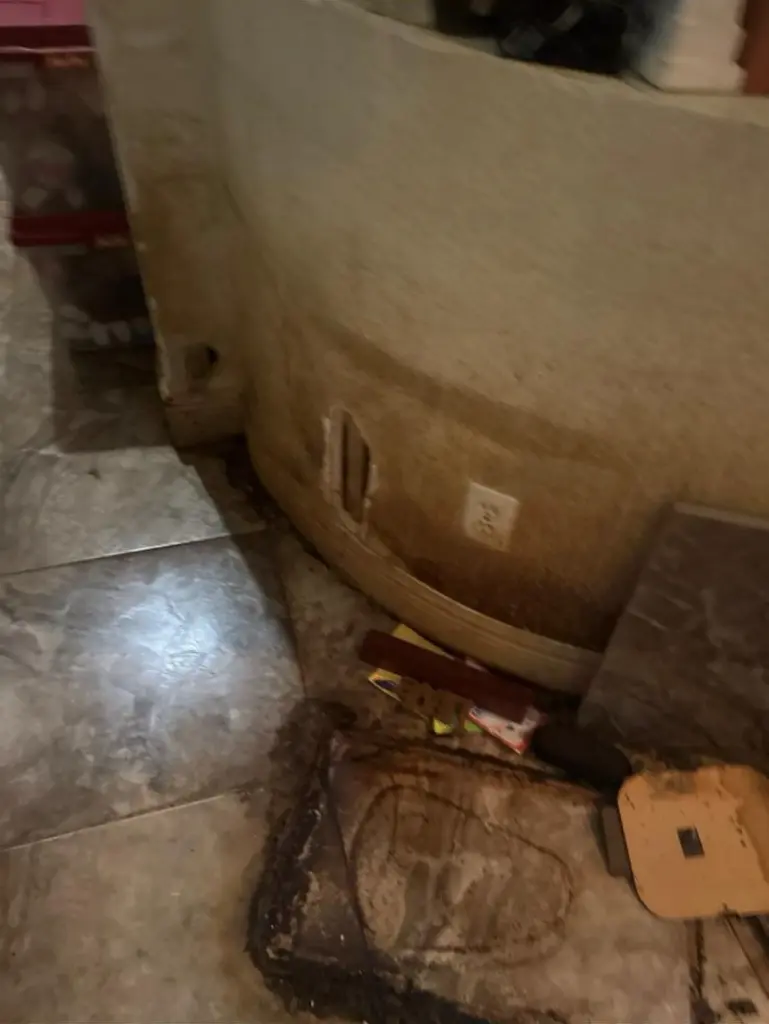
Catching the problem early can save you thousands in damage costs. Start by checking water flow from your faucets during cold weather. If water only drips or stops altogether, you likely have a frozen section. Frost visible on exposed pipes is another clear indicator.
Burst pipes are more obvious and demand immediate attention. Look for pooling water under sinks and near pipe fixtures. Water spots on walls and ceilings indicate leaks behind surfaces. You might hear constant dripping sounds inside your walls. A sudden spike in your water bill also suggests hidden leaks. Strange metallic odors or discolored water indicate cracked pipes. If you notice any of these signs, call for emergency restoration right away.
How to Safely Thaw Frozen Pipes Before They Burst
Sometimes you catch frozen pipes before they crack completely. Quick action can prevent a burst and save you from needing emergency restoration services. Here is how to thaw pipes safely at home.
First, open the faucet nearest the frozen section. This relieves pressure and lets the melting water flow out. Apply gentle heat using a hair dryer or heating pad. Move slowly along the pipe until water pressure returns to normal. You can also place a space heater nearby to gradually warm the area.
Never use these dangerous methods to thaw pipes:
- Open flames or blowtorches
- Propane heaters are directly on pipes
- Any device that could ignite nearby materials
- Boiling water was poured directly on frozen sections
If water flow does not return within several minutes, call a plumber immediately. The freeze might be deeper in your system than you can reach safely.
The Emergency Restoration Process After Pipe Bursts
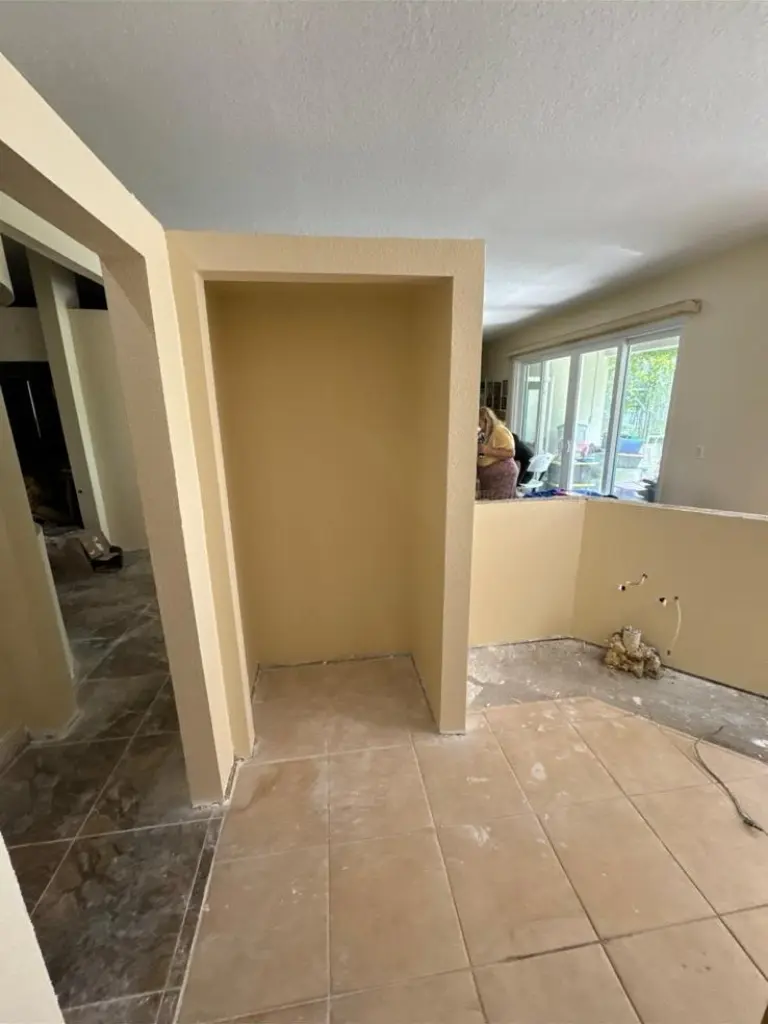
When pipes burst despite your best efforts, professional help becomes essential. Water damage spreads quickly through your home’s structure. Our response team follows proven steps to restore your property efficiently.
Water Extraction and Professional Cleanup
The first priority is stopping the water flow and removing the standing water. Shut off your main water valve immediately to stop the flooding. Turn off electricity to affected areas if water reaches outlets. Then call for emergency restoration help without delay.
Professional teams arrive with industrial extraction equipment. These powerful tools remove water far faster than household methods. After extraction, cleanup involves thorough drying of all affected materials. We use commercial dehumidifiers and air movers throughout your space. Moisture meters detect hidden water inside walls and under floors. This technology finds problems invisible to the naked eye.
Mold Remediation and Complete Restoration
Mold starts growing within 24 to 48 hours of water exposure. That timeline makes professional restoration critical after any flooding. Our teams thoroughly inspect for mold growth on every job. Remediation stops spores from spreading through your home’s air.
Complete restoration addresses all damaged materials in your space. This includes replacing waterlogged drywall, insulation, and flooring. Wood structures are inspected for rot and warping. The goal is to return your home to its original condition. Professional restoration services handle everything from initial response to final reconstruction.
How to Prevent Frozen Pipes This Winter
Prevention costs far less than emergency restoration after a burst. These simple steps protect your pipes during cold weather effectively. We recommend starting preparations before temperatures drop significantly.
Insulate exposed pipes in vulnerable areas of your home. Foam sleeves and heat tape work great for basement and attic pipes. Seal all drafts around windows, doors, and foundation walls. Cold air sneaking inside accelerates pipe freezing dramatically. Keep your thermostat set to 55 degrees or higher, even when traveling.
During extreme cold snaps, open cabinet doors under sinks overnight. This lets warm air circulate through pipes in exterior walls. Let faucets drip slightly to relieve pressure buildup inside. Disconnect and drain outdoor hoses before winter arrives. These habits dramatically reduce your risk of dealing with burst pipes.
Why Choose Emergency Restoration Services for Burst Pipes
DIY cleanup after pipe bursts often misses hidden moisture completely. Water seeps into places standard fans cannot reach effectively. That trapped moisture can lead to mold growth and structural rot later. Professional restoration ensures your home dries completely and safely.
Emergency restoration teams bring industrial-grade equipment to every job. Moisture meters, HEPA dehumidifiers, and commercial air movers do the job right. Certified professionals also thoroughly sanitize and deodorize affected areas. This prevents contamination and lingering odors in your space.
Working with professionals also significantly improves your insurance claim process. Most homeowner policies cover sudden water damage from burst pipes. However, proper documentation strengthens your claim considerably. Restoration companies provide detailed reports that adjusters need for approval. We handle the stress so you can focus on your family’s needs. When frozen pipes cause flooding, trust experienced professionals for complete peace of mind.
Frequently Asked Questions
How do I know if my pipes are frozen versus just clogged?
Turn on faucets throughout your home and compare water flow. If some taps work normally while others only drip, you likely have a frozen section. Clogs typically affect drainage, not incoming water pressure. You might also notice frost forming on exposed pipes during freezing weather. Strange gurgling sounds indicate ice restricting water flow inside the pipe.
Can I thaw frozen pipes myself without calling a professional?
Yes, if the pipe is accessible and has not cracked yet. Use gentle heat sources, such as hair dryers or heating pads. Move slowly along the pipe until pressure returns to normal. Never use open flames or blowtorches, as these cause bursts or fires. If water flow does not improve within minutes, call a plumber for help.
How long does water damage restoration take after a pipe bursts?
Drying and cleanup typically take 3 to 5 days, depending on the extent of the damage. Complete restoration, including wall and floor repairs, may take two weeks. Severe flooding with mold issues extends that timeline further. Acting quickly after discovery significantly shortens the overall restoration process. Professional equipment speeds up drying dramatically.
Will my insurance cover water damage from frozen pipes?
Most standard homeowner policies cover sudden water damage from burst pipes. However, damage from neglect might not qualify for coverage. Failing to heat your home during freezing weather counts as neglect. Document everything with photos before cleanup begins. Contact your insurance provider immediately and keep all repair invoices.
What should I do first when I discover a burst pipe?
Shut off your main water supply valve immediately to stop flooding. Turn off electricity to affected areas if water reaches outlets. Then call for emergency restoration help right away. Move furniture and valuables away from standing water. Document the damage with photos for your insurance claim before cleanup starts.
At what temperature do pipes typically freeze and burst?
Pipes generally start freezing when temperatures drop below 32 degrees Fahrenheit. However, pipes in unheated areas can freeze even at slightly higher temperatures. Prolonged exposure to cold significantly increases the risk of a burst. Wind chill and poor insulation accelerate the rate of freezing. Pipes in exterior walls and crawl spaces are at the most significant risk.