Living in an apartment comes with its own set of challenges. One of the biggest? Dealing with apartment water damage when it happens. I’ve spent over 15 years helping families recover from these exact situations. From our Atlanta roots to now serving Central Florida, I’ve seen it all. A small ceiling leak can turn into a major headache overnight. But here’s the good news. When you know what to do, you can handle apartment water damage like a true professional. Let me walk you through everything step by step.
How to Spot Early Signs of Apartment Water Damage
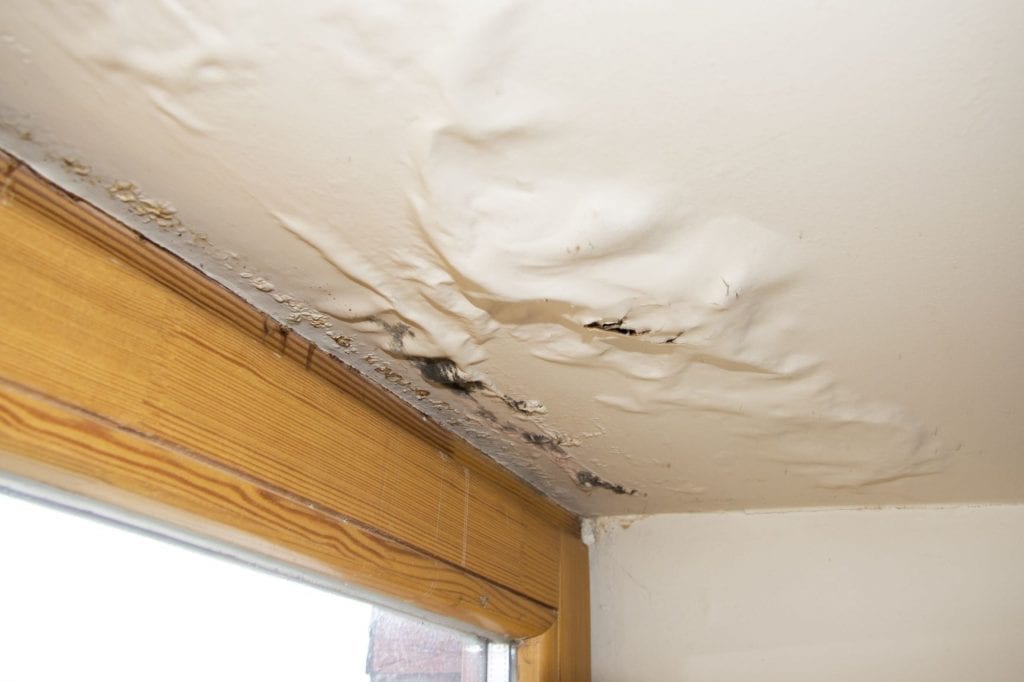
Catching problems early saves you money and stress. I always tell renters to trust their senses first. That musty smell in your closet? Don’t ignore it. Bubbling paint on your ceiling is another red flag I see constantly.
During my years in restoration, I’ve noticed most apartment water damage starts small. A tiny discoloration on the wall often means there’s a hidden plumbing issue behind it. Check under your sinks weekly. Look for soft spots near your bathroom fixtures, too.
Here are the warning signs I train my team to spot:
- Unexplained increases in your utility bill
- Warped or buckling flooring near appliances
- Mold growth in corners or along baseboards
- Stains that spread on your ceiling over time
- A persistent dripping sound in your walls
These signs mean something is wrong. Act fast before minor issues become major restoration projects.
What to Do When You Find a Water Leak in Your Rental Property
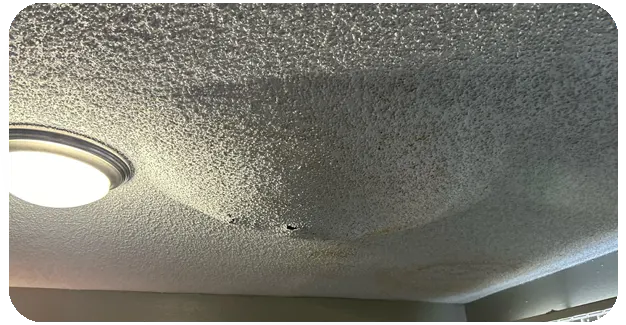
So you’ve found a leak. First, don’t panic. Your next steps matter more than you think. Turn off the source if you can safely reach it. Move your belongings away from the affected area immediately.
Document everything with photos and videos right away. This protects you later when dealing with insurance policies. I’ve seen too many tenants skip this step and regret it.
If the overflow is severe, shut off your unit’s main valve. Most apartments have one under the kitchen sink or in a utility closet. Knowing its location before emergencies happen is something every renter should prioritize.
Contact Your Property Manager or Landlord Right Away
Time is critical with apartment water damage. Your lease likely requires prompt reporting of any issues. I recommend calling your property manager within the first hour of discovery.
Send a follow-up email or text documenting your call. This creates a paper trail that protects you. Many landlord-tenant disputes happen because there’s no written record. Be specific about what you found and where.
From my experience, most property managers respond quickly to these reports. They know delays mean bigger repair bills for everyone involved. If your landlord is unresponsive, document every attempt to reach them.
Who Is Responsible for Water Damage in a Rental?
This question comes up in almost every apartment water damage job I handle. The answer depends on the cause. Generally, your landlord covers structural issues and plumbing failures. They maintain the building’s systems and infrastructure.
But here’s where it gets tricky. If a natural disaster causes flooding, responsibility shifts. Your landlord’s homeowner’s insurance may not cover your personal items. That’s why understanding your rental property agreement matters so much.
I always recommend reading your lease carefully before anything happens. Know what your landlord is responsible for, water damage repairs versus what falls on you.
When Tenant Negligence Is the Cause
Sometimes the renter causes the problem. A tenant who did not report water issues early may share liability. Leaving a bathtub to overflow is another example of negligent behavior.
If you caused the apartment water damage, be honest about it. Your renters’ insurance might still help cover repairs. Trying to hide negligence usually backfires and creates bigger legal problems.
I’ve worked cases where simple honesty saved tenants thousands in disputes. Property managers appreciate transparency, even when mistakes happen.
Does Renters Insurance Cover Water Damage?
Most renters’ insurance policies cover sudden incidents like burst pipes. However, gradual leaks from poor maintenance typically aren’t covered. This distinction trips up many apartment residents.
Your policy protects your belongings, not the building itself. That’s your landlord’s responsibility through their insurance. I strongly encourage every renter to carry adequate coverage. It’s usually affordable and provides real peace of mind.
Review your policy’s exclusions carefully. Some insurance policies specifically exclude certain flooding scenarios. Understanding your coverage before you need to file a claim makes everything smoother.
What Your Insurance Company Will Need From You
When you file a claim, documentation is everything. Your insurance company wants photos, receipts, and detailed descriptions. They’ll ask when the incident happened and how you discovered it.
Keep all damaged items until your adjuster sees them. Throwing things away too early can hurt your claim. I’ve guided many families through this process successfully. Organization and patience go a long way.
Florida Regulations Every Renter Should Know About Apartment Water Damage
Florida has specific laws protecting tenants dealing with apartment water damage. Understanding these regulations helps you advocate for yourself effectively.
- Florida Statute 83.51 – Requires landlords to maintain rental premises in compliance with building codes. Consequences: Tenants may withhold rent or terminate leases if violations persist.
- Florida Building Code Section 105 – Establishes permit requirements for major plumbing repairs. Consequences: unpermitted work can void insurance coverage.
- Florida Statute 83.56 – Outlines tenant remedies when landlords fail to make timely repairs. Consequences: potential lease termination rights.
Non-compliance with these laws can result in legal action. Always verify current requirements with local authorities.
Trust One Stop Restoration for Professional Apartment Water Damage Recovery
Handling apartment water damage alone is overwhelming. Professional restoration ensures nothing gets missed. At One Stop Restoration, we’ve helped Orlando, Kissimmee, and Winter Garden residents recover quickly since expanding to Florida in 2022.
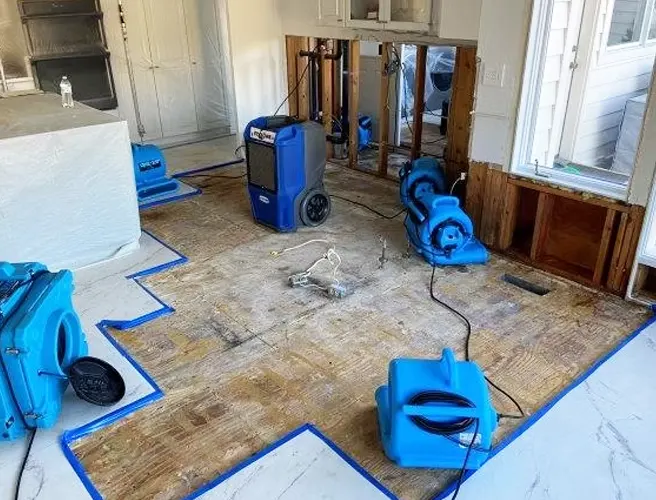
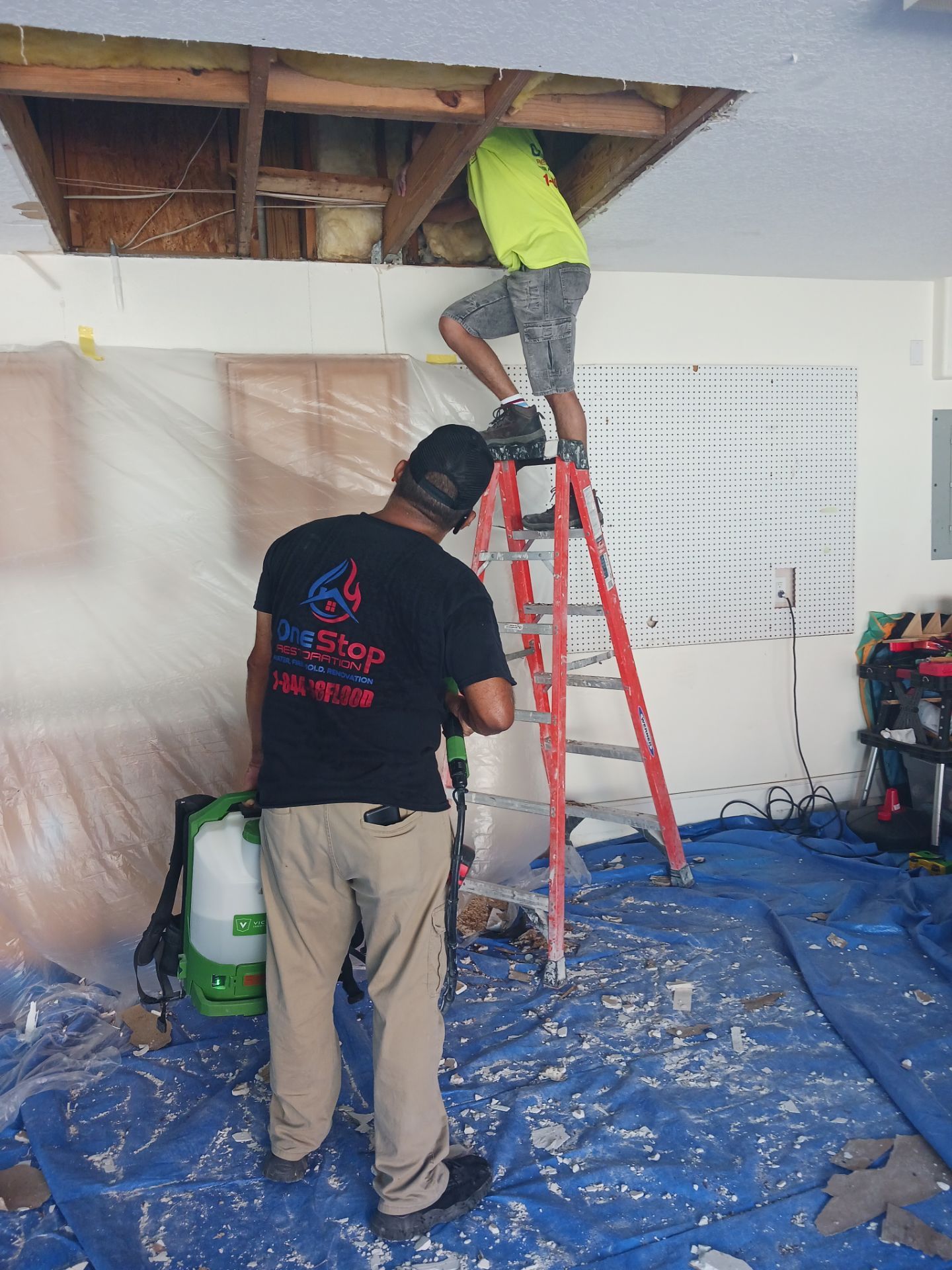
Our team uses commercial-grade equipment to dry structures completely. This prevents mold growth and structural problems down the road. We also work directly with your insurance company to streamline claims.
Don’t let apartment water damage disrupt your life longer than necessary. Contact One Stop Restoration today for expert guidance and fast recovery solutions.
Frequently Asked Questions
How long does apartment water damage take to dry completely?
Professional drying typically takes three to five days, depending on severity. Factors like humidity levels and material types affect timing significantly. Using fans alone isn’t enough for proper restoration. Industrial dehumidifiers and moisture meters ensure everything dries thoroughly. Rushing this process leads to mold growth and lingering odors. I always recommend a professional assessment to determine accurate timelines for your specific situation.
Can I withhold rent if my landlord ignores apartment water damage?
Florida law allows rent withholding under specific circumstances. You must provide written notice and allow reasonable repair time first. Document everything and follow proper legal procedures exactly. Withholding rent incorrectly can result in eviction proceedings against you. I recommend consulting a tenant rights attorney before taking this step. Proper documentation protects you throughout any dispute with your landlord.
Will apartment water damage affect my security deposit?
If you caused the issue through negligence, yes, deductions are likely. Normal wear and plumbing failures shouldn’t impact your deposit. Document the apartment’s condition when you move in thoroughly. Take photos of existing issues before signing your lease. This protects you from unfair charges when you eventually move out. Clear evidence prevents most deposit disputes with landlords.
How quickly does mold grow after apartment water damage?
Mold can begin developing within 24 to 48 hours in humid conditions. Florida’s climate makes this timeline even shorter sometimes. This is why fast response matters so much here. Professional extraction and drying prevent most mold problems entirely. If you smell mustiness days after an incident, call restoration professionals immediately. Early intervention saves significant money on remediation costs.
Should I hire my own contractor for apartment water damage repairs?
Generally, your landlord chooses and pays for contractors in rental situations. However, you can request specific companies if you have concerns. Put any agreements about contractor selection in writing clearly. If repairs seem inadequate, document the issues and notify your landlord. Your lease may outline specific procedures for handling contractor disputes. Always maintain communication records throughout the repair process.
What belongings can be saved after apartment water damage?
Many items are salvageable with quick action and proper techniques. Electronics, documents, and photographs need professional restoration services. Furniture often recovers well when dried promptly and correctly. Soft items like mattresses and upholstered pieces are harder to save. When in doubt, have professionals assess items before discarding them. Your insurance adjuster needs to see everything before you throw anything away.