Emergency Water Extraction Services for Fast Flood Cleanup
March 18, 2026
- By
- One Stop Restoration Of Fl
- Water Damage Restoration Experts
Floodwater does not wait – and neither should you. At One Stop Restoration Of Fl, our mission is to help homeowners and businesses recover quickly after any level of water damage. We have years of experience providing professional water damage restoration services that focus on immediate response, efficient extraction, and complete structural drying. Acting fast is essential because every hour allows moisture to spread deeper into flooring, drywall, insulation, and framing, causing costly secondary damage that can compromise your property’s safety and value.
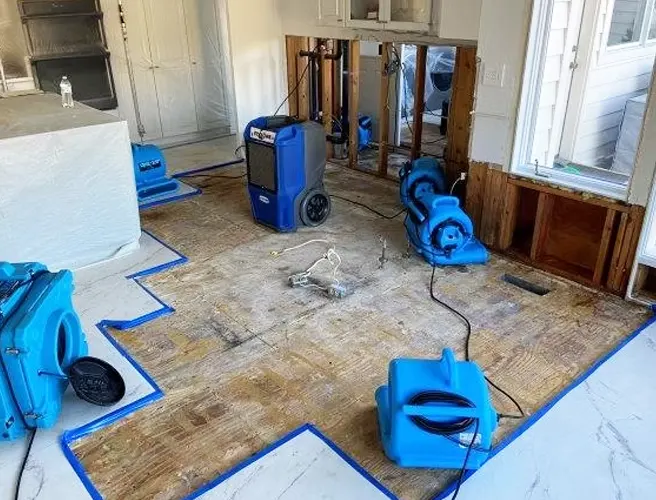
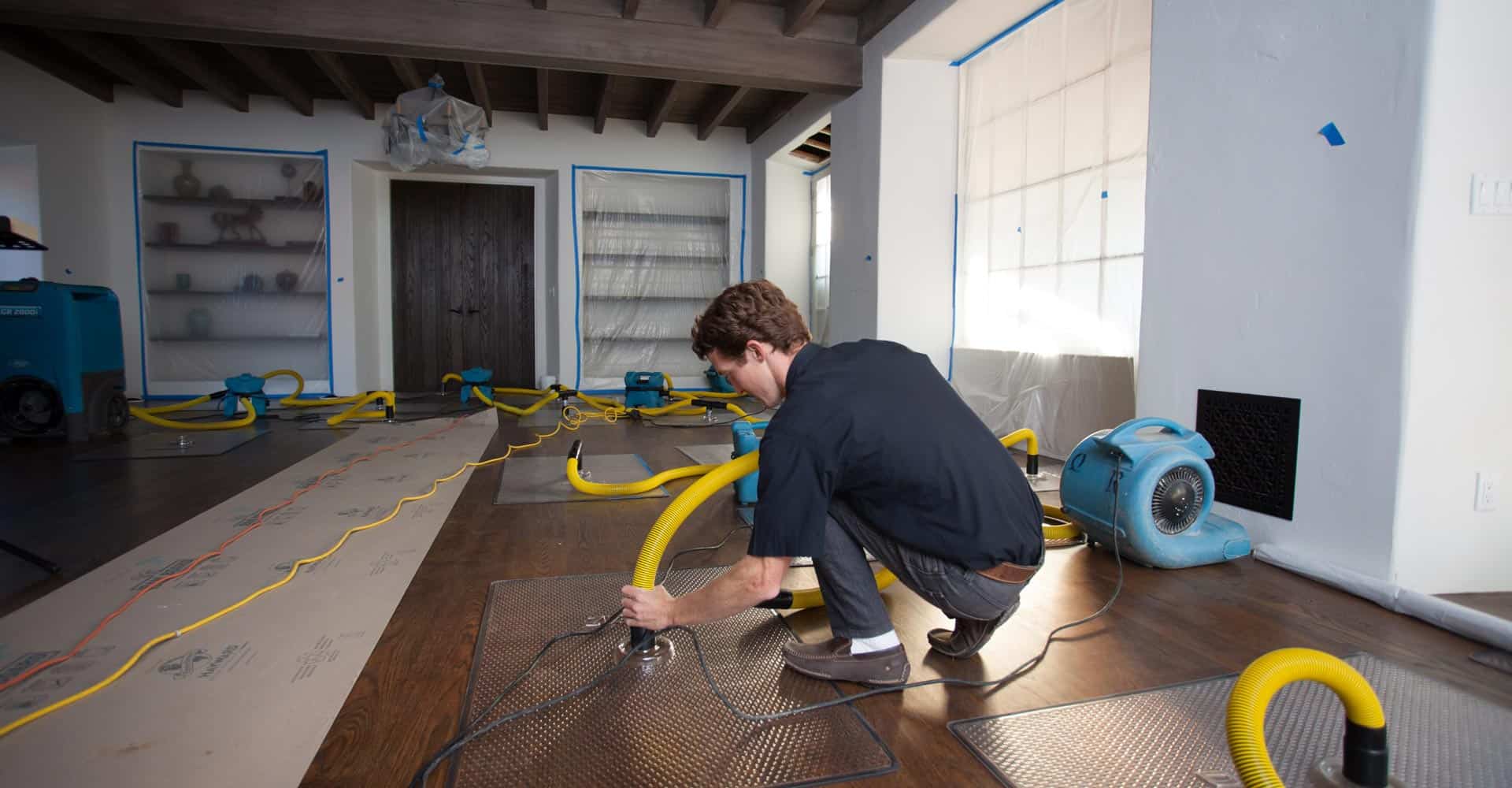
Our trained technicians use advanced extraction systems, moisture detection tools, and industrial-grade dehumidifiers to ensure that no hidden water remains trapped behind walls or under surfaces. In one recent case, a homeowner attempted to handle a pipe burst using basic household fans. Within two days, mold began to grow despite visible areas appearing dry. What seemed manageable quickly became a large-scale remediation project that required removal of flooring and sections of drywall. Proper extraction and professional drying equipment could have prevented the contamination and saved thousands of dollars in repairs.
Learn more about our complete approach to cleanup, extraction, and restoration by visiting our water damage cleanup and restoration overview.
Our trained technicians use advanced extraction systems, moisture detection tools, and industrial-grade dehumidifiers to ensure that no hidden water remains trapped behind walls or under surfaces. In one recent case, a homeowner attempted to handle a pipe burst using basic household fans. Within two days, mold began to grow despite visible areas appearing dry. What seemed manageable quickly became a large-scale remediation project that required removal of flooring and sections of drywall. Proper extraction and professional drying equipment could have prevented the contamination and saved thousands of dollars in repairs.
Learn more about our complete approach to cleanup, extraction, and restoration by visiting our water damage cleanup and restoration overview.
What Proper Flood Cleanup Should Always Include
The success of emergency water extraction is not only about removing visible water but also about interpreting how local building materials react to humidity and climate patterns unique to the area. Local expertise matters because technicians who live and work in the same community understand seasonal moisture behavior, construction methods, and typical plumbing layouts found in regional homes and businesses. This familiarity allows faster decisions when minutes count. When water damage occurs, professionals trained in local building codes and humidity profiles can predict where moisture will migrate behind baseboards or under flooring. They know the common materials used in nearby developments and how those materials respond to prolonged saturation. A reputable local team follows IICRC-backed standards and complements them with on-site experience gathered from nearby restoration projects. Their process ensures accuracy from start to finish:
- Safety evaluation – confirm electrical and structural stability before any extraction begins.
- Localized moisture mapping – collect readings using instruments calibrated for the area’s average humidity levels.
- Efficient extraction method – select truck-mounted or portable systems that match the structure’s access and drainage style.
- Controlled drying and dehumidification – adapt airflow and humidity targets to local temperature variations.
- Disinfection and odor control – apply EPA-registered agents best suited for the region’s microbial profile.
- Ongoing monitoring – record precise moisture data for transparency and insurance verification.
Prevent Hidden Moisture and Long-Term Damage
Many Central Florida homeowners quickly remove standing water and assume the problem is solved – yet hidden moisture can remain inside wall cavities, insulation, and flooring. This overlooked dampness can cause costly structural deterioration, musty odors, and microbial growth that spreads long after water appears to be gone. By hiring a local restoration team, residents gain experts who know Orlando’s climate, building codes, and humidity challenges. Professional technicians use precision moisture meters and thermal imaging to locate hidden dampness before it creates further damage.
Choosing a local provider offers faster response time, familiar faces, and personalized communication. Local specialists understand how Florida’s consistent warmth accelerates evaporation and condensation cycles, allowing them to tailor drying plans efficiently. They also maintain relationships with area insurance adjusters, which can speed up claim approvals and minimize disruptions. Local knowledge helps ensure restoration complies with community safety standards and environmental guidelines.
Typical services may include structural drying, air purification, and microbial prevention. Depending on property size, localized water extraction in Orlando generally ranges from $500 – $3,000 for minor incidents and $3,000 – $8,000 or more for severe flooding. Each project includes documentation to support insurance claims. To explore complete recovery options, visit our 24/7 water damage restoration services page and discover how local expertise brings lasting protection.
Choosing a local provider offers faster response time, familiar faces, and personalized communication. Local specialists understand how Florida’s consistent warmth accelerates evaporation and condensation cycles, allowing them to tailor drying plans efficiently. They also maintain relationships with area insurance adjusters, which can speed up claim approvals and minimize disruptions. Local knowledge helps ensure restoration complies with community safety standards and environmental guidelines.
Typical services may include structural drying, air purification, and microbial prevention. Depending on property size, localized water extraction in Orlando generally ranges from $500 – $3,000 for minor incidents and $3,000 – $8,000 or more for severe flooding. Each project includes documentation to support insurance claims. To explore complete recovery options, visit our 24/7 water damage restoration services page and discover how local expertise brings lasting protection.
Need Fast Professional Water Extraction?
Floodwater can go from a minor problem to a full structural crisis in just a few hours. Acting fast prevents irreversible damage and reduces costly repairs. One Stop Restoration Of Fl specializes in rapid response and professional extraction using high capacity equipment, precise moisture mapping, and continuous monitoring for complete control of every affected area. Our certified team restores safety, comfort, and value to your property while minimizing the risk of hidden mold or future deterioration. Every minute counts when water intrusion strikes – hesitation can multiply the damage. Call One Stop Restoration Of Fl right now for a detailed assessment, proven solutions, and reliable support that gets your property fully restored efficiently and professionally.
FAQs
How fast should I start water extraction after a flood?
Water extraction should start as soon as it is safe to do so, ideally within just a few hours after a flood or major leak. Standing water can quickly migrate into flooring materials, baseboards, and drywall, creating hidden pockets of moisture that weaken building components. Within 24 hours, bacteria and mold can begin to develop, turning a manageable situation into one with serious health and structural risks. Acting promptly limits swelling and warping of wood, reduces drywall replacement costs, and prevents mold colonies from spreading. Certified professionals use high-powered truck-mounted extractors, industrial dehumidifiers, and advanced moisture detection tools to pull water out of both visible and concealed areas. Following recognized standards such as IICRC S500, they monitor humidity levels continuously to confirm thorough drying. Always contact a licensed restoration specialist if contamination or safety concerns exist.
What equipment is used for emergency water extraction?
Professional water extraction involves a carefully managed system that goes far beyond simply using household equipment or wet vacuums. Certified restoration specialists follow a structured process that begins with an assessment of the affected area to determine water category, source, and damage extent. Submersible pumps are applied to remove large volumes of standing water quickly, while truck-mounted extraction units manage extensive flooding in basements or entire floors. For smaller spaces or difficult locations, technicians rely on portable axial and centrifugal air movers to promote targeted airflow and speed evaporation. Precision instruments such as digital hygrometers, thermal imaging cameras, and moisture meters are used to detect concealed water within walls, ceilings, and flooring. Throughout drying, low-grain refrigerant or desiccant dehumidifiers balance indoor humidity levels. Antimicrobial solutions help prevent bacterial or mold growth, all while meeting IICRC S500 standards for professional water restoration.
How much does emergency water extraction cost?
Emergency water extraction and structural drying services typically range from approximately $500 – $8,000 depending on the specific conditions present at the property. Overall cost is influenced by several key factors such as the size and complexity of the affected area, the type of water contamination involved (clean, gray, or black water), and the total square footage that must be restored. Projects involving contaminated or stagnant water often require disinfecting treatments, specialized drying equipment, and sometimes selective demolition to remove saturated materials hidden within walls, floors, or substructures. Smaller residential incidents involving a single room or minor leak are generally less expensive, while multi-room flooding, commercial spaces, or high-rise buildings can significantly increase costs due to labor intensity and drying time. These values are general estimates intended for reference only, as an on-site inspection is always required before producing an accurate written proposal.
Can I handle water extraction myself?
Limited clean-water spills – for example, a minor appliance leak on tile or another non-porous surface – can sometimes be handled by a homeowner using absorbent towels and a shop vacuum, especially when cleanup begins immediately after the leak occurs. Quick action is critical to prevent water from seeping into cracks or under flooring. However, larger flooding events or any situation involving potentially contaminated water require certified professional restoration services. Do-it-yourself cleanup efforts often fail to remove moisture hidden beneath carpet padding, within wall cavities, or behind baseboards where air circulation is poor. Even a small amount of trapped moisture can lead to mold growth, unpleasant odors, and gradual structural deterioration. Professionals rely on industrial-grade dehumidifiers, high-powered air movers, and precision moisture meters to ensure complete dryness that meets IICRC industry standards. This careful verification process helps preserve property integrity, prevents secondary damage, and provides proper documentation for insurance claims and future reference. Professional restoration not only restores visible cleanliness but also ensures a thorough, scientifically validated drying process that protects health, safety, and long-term value.

What are warning signs of hidden flood damage?
Hidden water damage often begins quietly, showing clues that can be easy to overlook until the problem becomes significant. One of the first indicators is a lingering musty or earthy odor that does not go away even after deep cleaning. Homeowners may also notice subtle physical changes, such as wood flooring that starts to swell, buckle, or separate at the seams. Baseboards can appear warped, while drywall may show faint yellow or brown stains. A sudden increase in indoor humidity or visible condensation on windows, vents, or mirrors can signal trapped moisture. Paint that bubbles or peels often hides a damp surface beneath. Professional inspectors rely on thermal imaging cameras and advanced moisture meters to pinpoint hidden water buildup. Detecting and addressing these warning signs early helps prevent mold growth, structural decay, and costly future repairs.
What problems occur if water extraction is delayed?
Delaying water extraction can quickly transform what begins as a manageable clean-water situation into a serious health and structural emergency. When excess moisture is left untreated, it seeps into flooring materials, wall cavities, and insulation, creating hidden pockets where mold spores can flourish within 24 to 48 hours. This microbial growth not only threatens air quality but can also trigger respiratory irritation and allergies. Persistent dampness corrodes metal fasteners, weakens joints, and causes wooden framing to swell or warp, eventually disturbing the structural alignment of walls and floors. Over time, drywall softens, insulation loses its thermal efficiency, and finishes such as paint or trim begin to peel. These issues raise restoration costs dramatically as recoverable components become unsalvageable. Prompt professional extraction helps preserve the building’s integrity, validates insurance requirements, and ensures a cleaner, safer living environment.
How do I choose a professional water damage restoration company?
When selecting a restoration company after a flood, choose one that is properly certified by recognized organizations such as the IICRC and that holds complete liability insurance to protect your property and investment. Make sure the team has experience addressing your specific type of water incident, whether it involves clean water, gray water, or black water contamination. Professional restoration companies should document moisture readings in writing, utilize calibrated detection tools, and follow manufacturer instructions for proper placement of dehumidifiers, air movers, and other drying equipment. Be sure to check references from previous clients and confirm that the company offers reliable after-hours emergency service. Qualified technicians must be knowledgeable about EPA-approved antimicrobial applications and safety standards. Steer clear of any contractor who refuses to share drying reports or a detailed scope of work. Transparent documentation ensures regulatory compliance, supports insurance claims, and safeguards long-term property health.
What should I do first during a severe flood emergency?
First, turn off the electricity and gas supply if it can be done safely without personal risk. If you are unsure whether it is safe to access switches or valves, wait for a professional or utility provider to verify that the area is secure. Never walk through standing water until you are certain that the electrical systems are completely disconnected. After power safety is confirmed, locate the source of the water and stop the flow as quickly as possible – close the main shutoff valve or contact a licensed plumber for immediate support. The longer water remains uncontrolled, the higher the chance of mold growth, damaged insulation, and structural weakening. Move valuable or moisture-sensitive objects to a dry environment if conditions permit. Avoid opening walls, using household heaters, or running ceiling fans. Contact a certified water damage restoration company to begin extraction and drying services. Specialists can deploy pumps, air movers, and dehumidifiers within hours to reduce long-term damage. Be aware that emergency or after-hours response fees may apply, but early intervention minimizes repair costs and health hazards.