
How Long Does Water Damage Restoration Take?
February 24, 2026
- By
- One Stop Restoration Of Fl
- Water Damage Restoration Specialists
At One Stop Restoration Of Fl, we’ve helped homeowners through Water Damage emergencies for years, and one of the first questions we hear is, “How long will this take?” We’ve noticed that many people expect a quick dry-out in a day or two, only to realize restoration is a multi-step process. If you’re evaluating your options, this guide will walk you through realistic timelines, what affects them, and how to avoid costly delays. For a breakdown of the full process, review our water damage cleanup & restoration overview. A homeowner once waited three days to call after a pipe leak, assuming fans would solve it. By the time we arrived, subfloor moisture readings were above 25%, and mold growth had begun behind the baseboards – adding days and thousands to the timeline.
Comparing Proper Mitigation vs. Cut-Corner Approaches
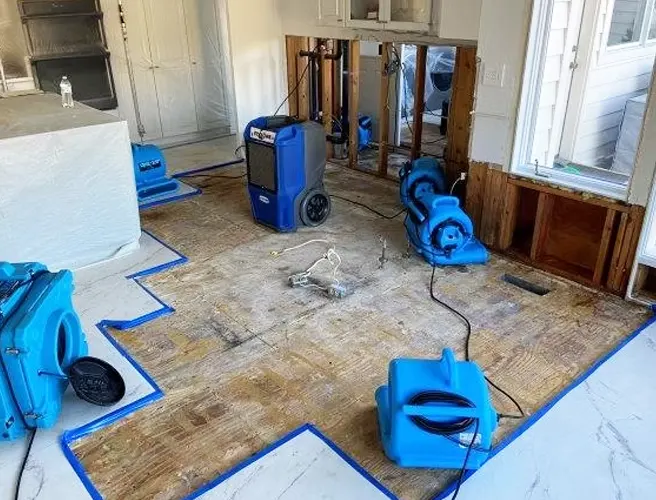
The most important best practice is controlled, documented drying. Restoration should follow recognized standards, include moisture verification, and provide clear communication about each phase. Homeowners should expect transparency about equipment, timelines, and demolition decisions. Here’s how professional service compares to shortcuts:
- Moisture Mapping: Thorough infrared imaging and hygrometer readings versus surface-only checks.
- Equipment Calculations: LGR dehumidifiers sized to Class 2 or Class 3 losses instead of “one fan per room.”
- Containment: Poly sheeting and negative air machines for contaminated losses versus open-air drying.
- Daily Monitoring: Documented moisture logs instead of no follow-up testing.
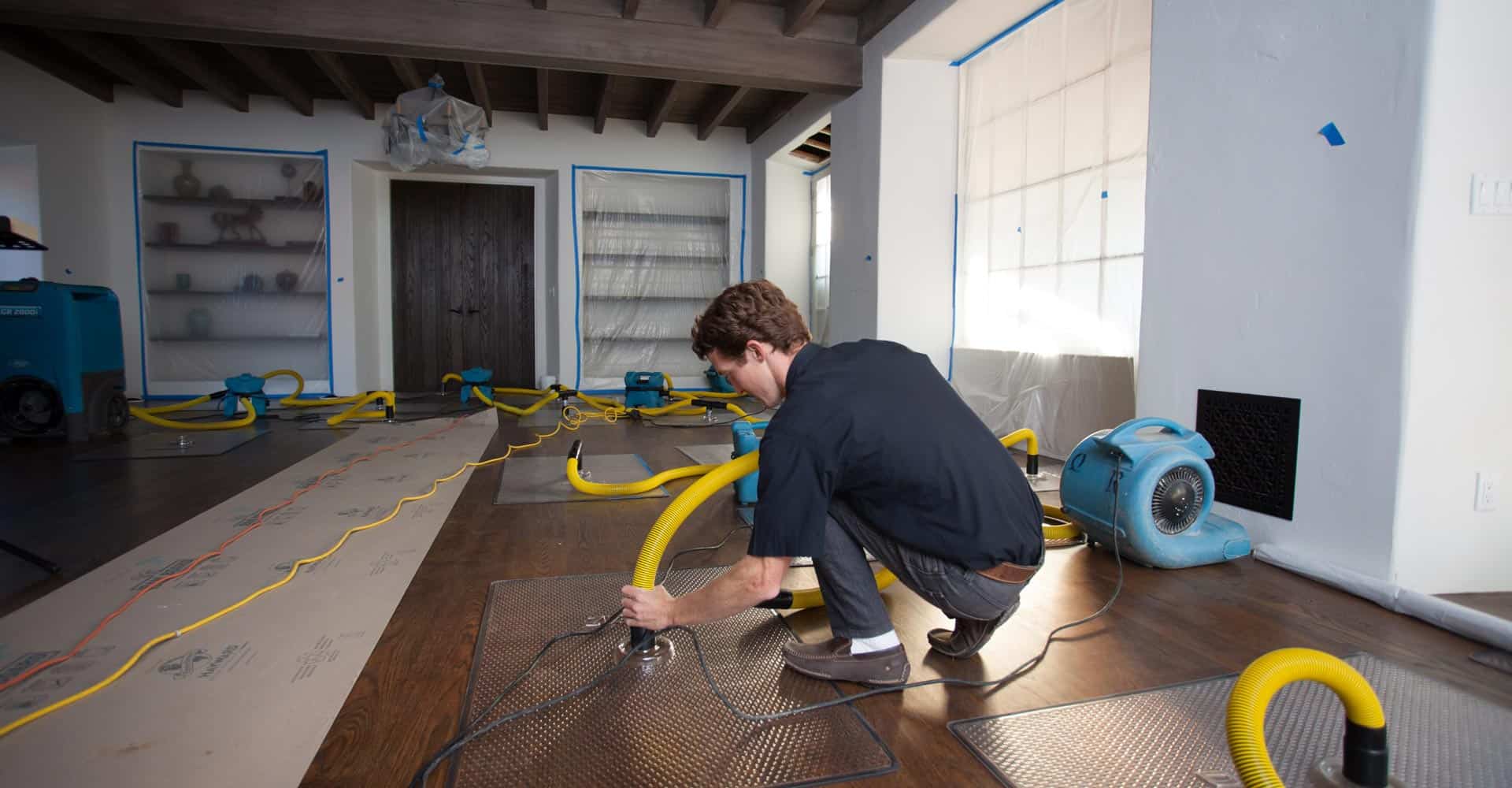
Questions to Ask and What the Process Looks Like
Restoration timelines depend on damage category, affected materials, and how quickly mitigation begins. A typical process includes:
- Inspection (Day 1): Moisture mapping, damage classification, and equipment setup.
- Mitigation (Days 1 – 5+): Water extraction using truck-mounted or portable extractors, structural drying, and antimicrobial application.
- Repairs (1 – 3+ weeks): Drywall replacement, flooring installation, painting, and finishing work.
Get Clear Answers Before You Commit
Every water damage situation is unique, and true drying depends on what is happening behind walls, beneath flooring, and inside structural materials, not just what you can see. At One Stop Restoration Of Fl, we use professional moisture mapping, advanced drying equipment, and proven industry standards to ensure your property is restored correctly the first time. We clearly explain our findings and outline the exact steps needed so you can make confident, informed decisions. Acting quickly can prevent mold growth, structural weakening, and costly future repairs. Do not wait for hidden damage to get worse. Contact our team now for a thorough evaluation and immediate action to protect your home and your investment.
FAQs
How long does Water Damage restoration usually take?
Most minor clean water losses dry within 3 – 5 days when addressed promptly with proper airflow and dehumidification. More extensive Water Damage can require 7 – 14 days for mitigation alone, especially when moisture has spread into wall cavities, subfloors, or insulation. The overall timeline often extends beyond the drying phase. Repairs such as drywall replacement, flooring installation, baseboard reinstallation, and painting can add several additional weeks depending on material availability and the scope of reconstruction. The exact duration depends on how quickly the problem was discovered, the category of water involved, and how deeply moisture penetrated structural components. Porous materials such as drywall and insulation absorb water quickly, while dense materials like hardwood and concrete retain moisture longer. Professional restoration teams rely on moisture meters and documented drying goals rather than visual inspection alone. Drying continues until framing and subfloors reach safe moisture content levels, often below 15 percent for wood components, to help prevent mold growth and long term structural issues.
What factors can delay the drying process?
Delays typically occur when moisture spreads beyond the areas that are immediately visible. Water rarely stays confined to the surface where the damage first appears. It can migrate through framing cavities, seep under baseboards and cabinets, and travel beneath flooring materials into subfloors. High indoor humidity further slows the natural evaporation process, particularly when professional grade air movers and dehumidifiers are not deployed quickly. Porous materials such as insulation, drywall, and particleboard absorb water readily and often require removal to allow the structure to dry thoroughly. When the water involved is classified as Category 2 or Category 3, sanitation, containment, and selective demolition may be necessary, which adds complexity and time. One of the most significant causes of extended restoration timelines is a delayed response, since moisture continues to wick into structural components and increases the risk of microbial growth.
How much does Water Damage restoration cost and does timeline affect price?
Costs may range from $1,500 for small, contained water damage to $10,000 or more for extensive structural deterioration. The overall price depends on the severity of the incident, the size of the affected area, and how quickly mitigation begins. Longer drying periods can increase expenses due to extended equipment rentals, additional labor hours for monitoring moisture levels, and more substantial reconstruction work. Minor issues that are addressed promptly often fall near the lower end of the range, while complex projects involving multiple rooms or structural components trend higher. Properties with hardwood flooring, custom cabinetry, built in fixtures, or ceiling damage typically require specialized drying techniques and careful restoration, which can raise costs. If mold remediation is required, that will add both time and expense due to containment procedures and specialized treatment. These figures are general benchmarks provided for informational purposes only and should not be considered a binding quote. A thorough on site inspection is necessary to assess conditions accurately and prepare a detailed, customized proposal.
Can I speed up the process by using fans or doing it myself?
Box fans and standard household dehumidifiers may offer limited help when dealing with a very small spill that is discovered and addressed immediately, such as a minor appliance leak on a sealed tile floor. In these narrow situations, quick action can sometimes prevent moisture from spreading. However, these consumer grade tools rarely provide the sustained airflow and humidity control required for proper structural drying. Professional air movers are specifically engineered to produce high-velocity airflow that accelerates evaporation across walls, floors, and other wet surfaces. At the same time, LGR dehumidifiers extract significantly more moisture from the air than typical residential units, allowing materials to dry faster and more thoroughly. Without professional moisture meters, there is no reliable way to verify that framing, insulation, or subfloors are fully dry. Reinstalling flooring or drywall too soon can trap hidden moisture, which may lead to mold growth, wood rot, or premature material failure that ultimately extends the restoration timeline.
What are warning signs that Water Damage is taking longer than it should?
Persistent musty odors, warped baseboards, bubbling paint, peeling trim, or cupped and uneven flooring often indicate that hidden moisture is still trapped within building materials. Drywall that feels soft, swollen, or cool to the touch can signal ongoing saturation, especially if moisture meter readings remain above normal levels for the material type. Condensation forming on windows or other cool surfaces during the drying process may point to elevated indoor humidity that has not been properly controlled. A thorough restoration process should include documented daily moisture readings and clear communication about progress. If drying equipment is removed without confirming that target moisture levels have been achieved, the job may have been completed too soon. Identifying and correcting these warning signs early helps prevent secondary damage such as mold growth, wood rot, structural weakening, and costly long term repairs.
Why does contaminated water increase restoration time?
Category 2 gray water and Category 3 black water losses involve contaminated water that may contain bacteria, viruses, sewage, or other harmful microorganisms. These situations demand a much more controlled and methodical response than clean water incidents. Porous materials such as carpet padding, insulation, upholstered furniture, and in many cases sections of drywall must be removed and properly discarded because they can trap contaminants that cannot be fully sanitized. Trained technicians apply EPA registered antimicrobial and disinfecting solutions to all affected structural surfaces. They often set up containment barriers and use negative air machines equipped with HEPA filtration to prevent airborne contaminants from spreading to unaffected areas. Drying should always take place after thorough cleaning and sanitation, not before. Workers must wear appropriate personal protective equipment, and strict safety protocols must be followed at every stage. Due to the health risks involved, no shortcuts can be taken, which naturally extends the overall restoration timeline compared to standard clean water losses.
What should I look for when hiring a Water Damage restoration company?
Look for IICRC certified technicians who are trained under the ANSI or IICRC S500 standard for professional water damage restoration. This certification demonstrates that the team follows recognized industry procedures for inspection, mitigation, and drying. Verify that the company holds proper state or local licensing and carries both general liability and workers compensation insurance to protect you from potential claims. Ask what tools they use, such as moisture meters, infrared cameras, air movers, and commercial-grade dehumidifiers, since accurate detection and controlled drying are essential for preventing mold growth. Reputable providers should clearly explain their drying objectives, outline expected timelines, and supply written documentation of moisture readings and progress. Be cautious of companies that quote a flat price without inspecting concealed areas or that promise unusually fast completion. Clear communication about equipment placement, daily monitoring, and repair sequencing reflects a careful and professional approach.
When should I schedule professional help for Water Damage?
If water has affected drywall, insulation, hardwood flooring, subflooring, or structural framing, arranging professional assistance as soon as possible can significantly limit long term damage. Immediate action helps prevent deeper saturation that can weaken materials and compromise structural integrity. If it is safe to do so, shut off the water source and carefully remove standing water using appropriate equipment. However, avoid disturbing areas that may be contaminated, especially if the water source involved sewage or floodwater. Even when surfaces appear dry to the touch, moisture can remain trapped behind walls, beneath flooring, or within insulation. Signs such as discoloration, bubbling paint, warped materials, or persistent odors within 24 – 48 hours often indicate hidden moisture. A professional assessment using moisture detection tools can identify affected areas and guide proper drying. Early mitigation reduces restoration time, lowers repair costs, and decreases the risk of mold growth or structural deterioration.