
How to File a Water Damage Insurance Claim Successfully
March 9, 2026
- By
- One Stop Restoration Of Fl
At One Stop Restoration Of Fl, we’ve been helping homeowners navigate water damage restoration for years. We’ve seen how overwhelming the process can be – especially when insurance documentation and timelines become as stressful as the damage itself. Our goal here is to guide you through the critical steps that make insurance claims more successful and less time-consuming. If your home recently suffered water damage, you can also review our water damage cleanup and restoration resources for recovery guidance. A homeowner in Kissimmee once delayed calling their insurer after a plumbing leak. By the time our team arrived, mold had begun to spread, and the claim became far more complicated. Missing documentation and extended damage drove up out-of-pocket costs. Filing early with accurate details could have saved them thousands and weeks of stress.
Best practices and warning signs when working with restoration and insurance professionals.
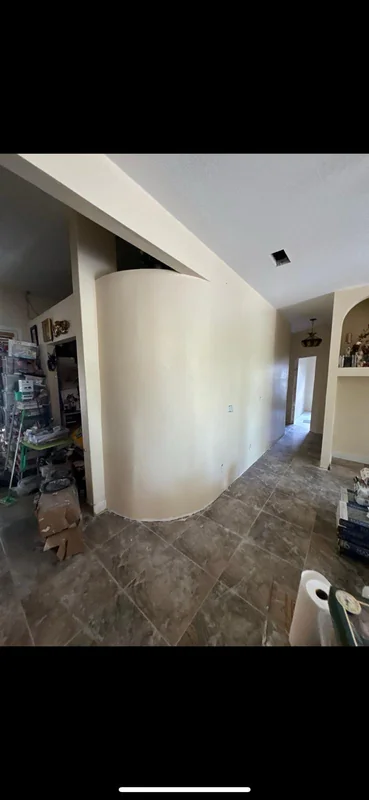
An insurance claim’s success often depends on having professionals who understand the specific challenges, regulations, and climate conditions of your region. Local expertise is not only about knowing how to repair property but also about anticipating how humidity levels, soil conditions, and seasonal weather in Kissimmee affect water damage and building materials. Professionals familiar with the area apply the Institute of Inspection, Cleaning and Restoration Certification (IICRC) S500 Standard for Professional Water Damage Restoration while tailoring its methods to regional realities. Their understanding of how moisture spreads in Florida’s humid climate allows for more accurate psychrometric analysis and targeted dehumidification strategies. Property restoration backed by local insight should include:
- Moisture mapping: Local experts identify hidden moisture pockets using thermal imaging that accounts for our region’s high ambient humidity.
- Material inventory: They catalog damaged finishes and furnishings common in Central Florida homes, ensuring accurate replacement values.
- Daily progress logs: Locally certified teams maintain transparent documentation that supports insurance verification.
- Compliance with county codes: Repairs in Kissimmee must meet Osceola County standards to preserve resale value and safety.
Questions to ask and realistic expectations for timelines and expenses.
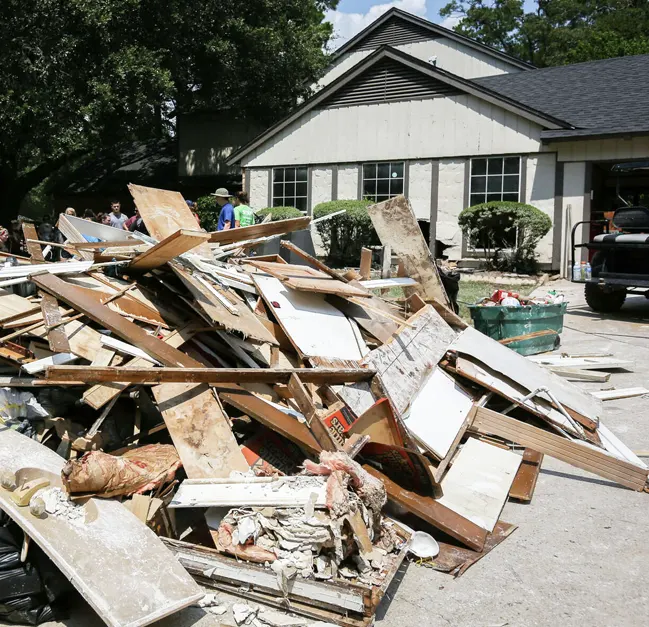
Insurers define specific stages for processing a water damage claim, and understanding these timelines helps keep expectations realistic. Typically, the process begins with emergency mitigation, followed by assessment, insurer inspection, claim adjustment, and restoration. In our experience, the documentation phase is where most Kissimmee homeowners encounter challenges. One case involved a client who tried to submit receipts without a professional drying log. Their insurer denied secondary mold remediation coverage, citing lack of proof of proper moisture control. Now, we advise homeowners to request an IICRC drying log immediately after mitigation. Here are the questions we recommend asking your restoration partner:
- Can you share daily moisture level data with my insurance adjuster?
- Are your technicians certified in IICRC S500 or equivalent?
- Do you coordinate with insurers for required document formats?
Get Expert Guidance Before Filing Your Claim
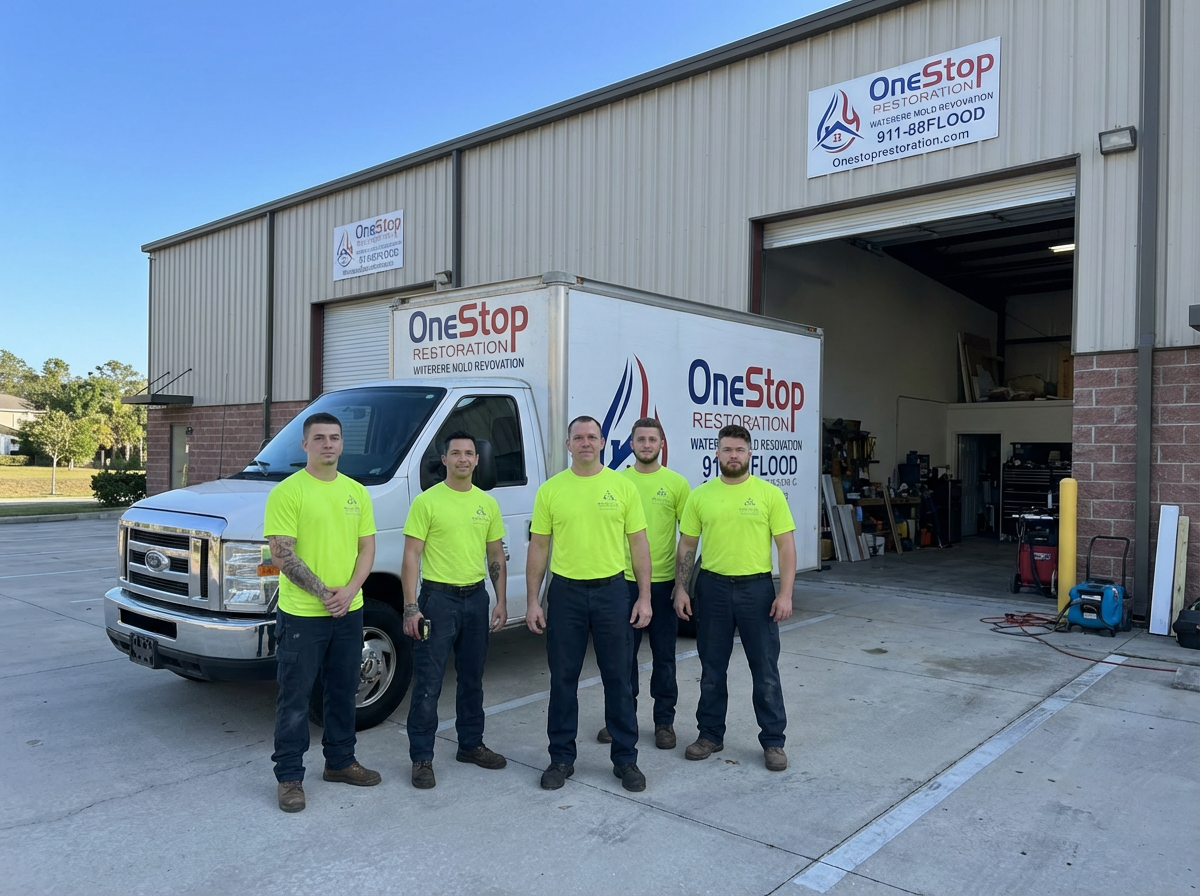
Filing a water damage claim can be stressful and time sensitive, but taking the right steps early can protect thousands in coverage and save valuable time. One Stop Restoration Of Fl is ready to help you right now with a proven process that gets results. Our certified experts guide homeowners through every technical, administrative, and repair detail, ensuring every claim is supported by accurate documentation and professional moisture readings. We know exactly what insurance carriers require, and we make sure your paperwork and property are fully aligned for fast approval. Do not risk delays or denials. Contact One Stop Restoration Of Fl today for a free consultation and immediate on-site evaluation. Let us handle the hard part while you focus on recovery.
FAQs
What should homeowners in Kissimmee document first after discovering water damage?
Start by capturing thorough photographic evidence of all impacted areas, taking images from multiple angles and varying distances to ensure complete coverage. Include shots of standing or pooled water, damaged walls, saturated insulation, warped flooring, and any affected electrical fixtures or outlets. Whenever possible, enable date stamps on your camera or smartphone to help establish a clear sequence of events. Next, compile a detailed written record describing where the water originated, how it spread, and what actions were taken immediately after discovery. Keep samples of soaked materials, peeled finishes, or discolored drywall to support verification later. Because Kissimmee’s warm and humid climate can cause mold growth within 24 – 48 hours, complete documentation right away. Do not dispose of any items until your insurance adjuster has inspected them. Including a professional moisture meter reading strengthens evidence and helps prevent claim disputes.
How long does the insurance company usually take to process a water damage claim?
Florida law generally allows insurers up to 90 days to settle a property damage claim after it has been submitted with full documentation. In practice, the actual timeframe can differ based on the complexity of the loss, the completeness of the paperwork, and potential inspection or verification delays. For most Kissimmee homeowners, insurers typically issue an acknowledgment letter within several business days and schedule an adjuster inspection within about 10 to 20 days. To help prevent unnecessary delays, homeowners should make sure that their restoration contractor submits all supporting materials, such as moisture logs, photographs, and detailed repair estimates that meet IICRC standards. Keeping an open line of communication with the insurer, responding promptly to requests for additional information, and verifying that all invoices and proof of repairs are included can significantly improve the efficiency and timeliness of claim processing.
How much does professional water damage restoration typically cost?
Professional water damage restoration in Kissimmee typically ranges from approximately $3,000 to $12,000 or more, depending on the size and complexity of the job. Several important factors determine the final cost, including the accessibility of the affected area, the type and condition of building materials, and the total square footage impacted by moisture. Severe water damage cases that involve structural drying, removal of soaked insulation, or replacement of flooring and drywall can significantly increase total expenses. Mold remediation, which may be required after prolonged exposure to moisture, can also raise costs substantially. In contrast, smaller projects confined to limited leaks or appliance malfunctions usually stay near the lower pricing range. Restoration timelines vary from a single day of drying for minor spills to several weeks for extensive flooding. These estimates are intended for general reference and do not represent an official or binding quote. Only an on-site inspection by a certified restoration technician can determine accurate pricing and the complete scope of work required for full recovery.
Can homeowners file a water damage insurance claim without hiring a restoration company?
Homeowners can technically file insurance claims on their own, but doing so often results in insufficient documentation and lower claim settlements. Many people underestimate the complexity of preparing evidence that clearly supports the full extent of property loss. Professional restoration teams bring advanced tools and training to the process, capturing high quality photos, conducting moisture mapping, and providing certified assessments that insurance adjusters recognize as credible proof. These reports strengthen a homeowner’s position by clearly linking the cause and scope of damage to a specific event, which helps avoid disputes or delays. Without such documentation, insurers may question whether all affected areas are related to the original incident or deny coverage for secondary problems like hidden mold. For small, contained situations such as a minor pipe leak, thorough personal documentation may suffice. Yet for broader cases involving drywall, flooring, or structural framing, partnering with a certified restoration company ensures that every affected material is properly categorized, measured, and logged. Their standardized reporting methods allow claim reviewers to process requests faster and with greater confidence, improving the likelihood of full reimbursement and protecting homeowners from future complications caused by incomplete repairs or overlooked moisture damage.
What are early warning signs of hidden water damage?
Subtle indicators such as a persistent musty odor, peeling or bubbling paint, and warped baseboards often suggest concealed water damage that may not be immediately visible. Brown discoloration around ceiling fixtures or water stains appearing along drywall seams can signal that moisture is trapped behind walls or ceilings. In Kissimmee, where high humidity levels are common, these warning signs can quickly lead to mold growth, wood rot, and unhealthy air quality if left unaddressed. A sudden, unexplained spike in your water bill can also point to hidden leaks within your plumbing system. Using non-invasive tools like moisture meters or infrared cameras allows homeowners and inspectors to detect damp areas before damage spreads. Promptly addressing minor leaks helps preserve your property’s structural integrity, prevent costly repairs, and maintain accurate documentation for future insurance claims.
What types of water damage are most common in Kissimmee homes?
Kissimmee’s warm subtropical climate creates a unique environment where water damage is a persistent concern for property owners. Frequent afternoon storms and extended periods of humidity lead to roof leaks, slab seepage, and even crawl space moisture buildup. Air-conditioning condensation leaks are especially common due to continuous system use throughout the year and the heavy demand on drain lines. In addition, local soils and low elevations make certain neighborhoods more susceptible to storm-related flooding that can affect foundations and flooring. Older plumbing systems also pose risks, as aged pipes, failing joints, or hidden leaks can cause slow interior damage that often goes unnoticed until visible stains appear. High humidity contributes to lingering dampness, which slows the drying process and promotes mold growth. Routine roof inspections, proper HVAC maintenance, and timely exterior sealing greatly reduce these ongoing water challenges.
How should homeowners choose a restoration company for water damage claims?
When selecting a water damage restoration company, it is important to verify that the business holds active IICRC certification, maintains all required state licenses, and carries comprehensive general liability insurance. Professional certification ensures that technicians follow proper industry standards for safety and moisture mitigation. Reliable restoration firms provide detailed written estimates before beginning work and use regularly calibrated moisture detection devices to identify hidden damp areas. They also maintain transparent drying logs that help document the process for insurance claims. In Kissimmee, make sure the contractor understands Florida Building Code regulations and any permit requirements in Osceola County, especially for structural or electrical repairs. Avoid companies that give uncertain pricing or try to pressure you into assigning your insurance benefits. Always read genuine local reviews, request references, and confirm that the contractor consistently meets both industry and regulatory expectations.
What should homeowners do if they're not facing an emergency but suspect water intrusion?
If you suspect moisture problems but are not facing an immediate emergency, begin by carefully tracing any possible sources of water intrusion. Check common trouble spots such as attic condensation, roof flashing, window seals, basement corners, or plumbing joints behind walls. You can use simple household materials like paper towel strips or tissue paper to detect hidden drips or subtle air movement that might draw in dampness. Even small signs such as faint discoloration, a musty odor, or bubbling paint can indicate water migration that needs professional assessment. Once preliminary checks are complete, schedule an in-depth inspection with a certified restoration or water-damage specialist who uses advanced tools like thermal imaging cameras, hygrometers, or humidity sampling devices. Avoid premature demolition, surface drying, or applying sealants before the extent of the issue is fully documented – incorrect handling can spread moisture or interfere with insurance assessment. Keep a detailed log, including photos, readings, inspection reports, and dates of observation, even if damage appears minor. These ongoing records strengthen your future insurance claim and help create a clear timeline of events. Consistent monitoring and documentation ensure that any slow-forming or hidden moisture damage can be verified and addressed before structural or health issues develop.