How to Prevent Water Damage During Orlando Storms: Myths vs Reality

April 27, 2026

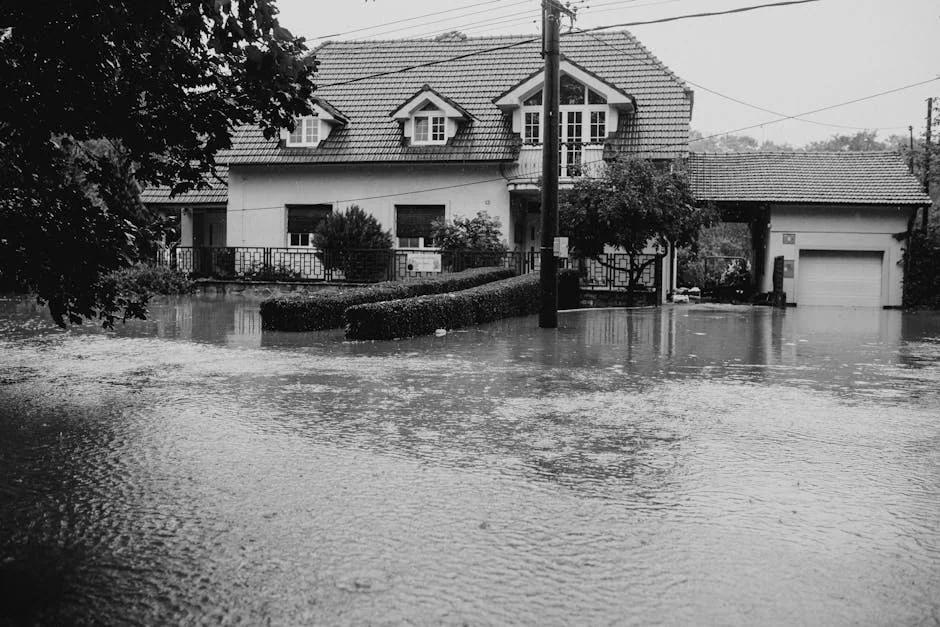
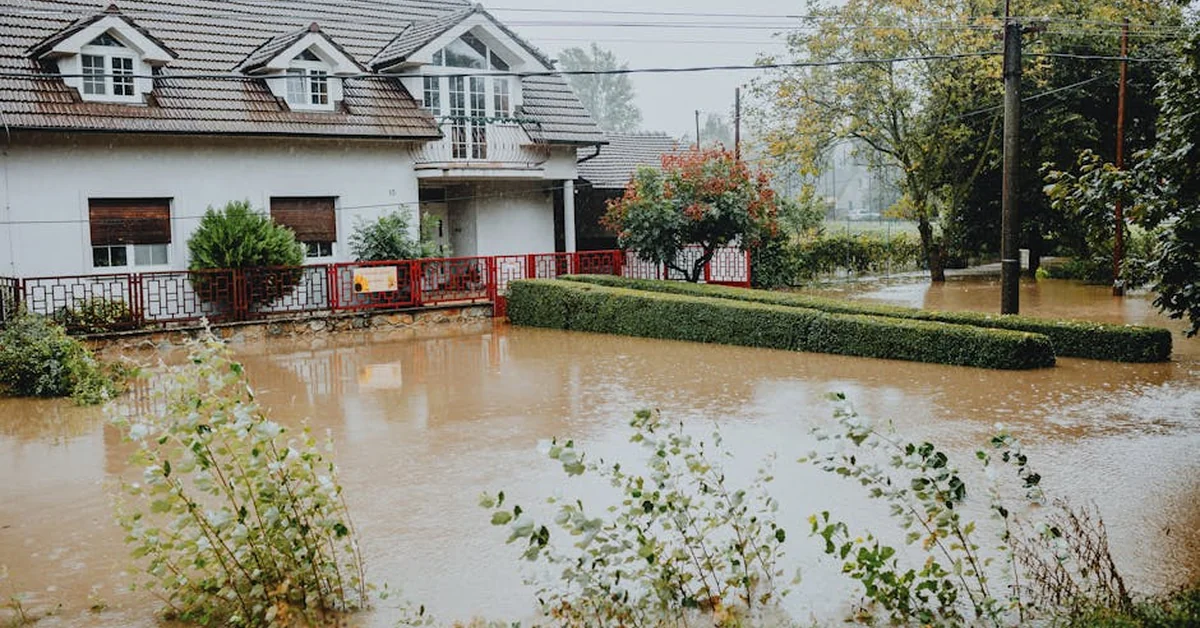
Many Orlando property owners believe sandbags and a quick roof patch are enough to stop storm damage. At One Stop Restoration, we’ve been helping clients address storm-related water intrusion for years of experience, and we’ve noticed the same misconceptions repeated every season. In our field inspections across Orlando, we often find water entering not through dramatic roof failures, but through small flashing gaps and clogged drainage systems homeowners overlooked. One property owner delayed a minor gutter repair, and a single summer storm led to soaked insulation, ceiling collapse, and microbial growth that required full water damage restoration. Preventing damage costs far less than repairing saturated drywall, framing, and flooring after the fact.

What thorough prevention looks like before the clouds roll in

professional prevent water damage during summer storms orlando overview by One Stop Restoration
Effective storm preparation focuses on water management, not just surface sealing. Our team prioritizes controlling how water flows across, off, and away from a structure. That approach aligns with the Florida Building Code and manufacturer installation standards for roofing, windows, and exterior envelopes. A professional pre-storm inspection typically includes:
  • Roof inspection with moisture meter checks in decking and attic sheathing.
  • Verification of proper shingle nailing patterns and sealed tabs.
  • Inspection of flashing at chimneys, skylights, and roof-to-wall transitions.
  • Gutter and downspout flow testing to confirm discharge at least 3 – 5 feet from the foundation.
  • Exterior grading review to maintain a minimum 5% slope away from the structure for the first 10 feet.
When contractors skip attic inspections or fail to document moisture readings, underlying issues may go unnoticed. We also look for improperly sealed window perimeters where expanding foam blocks drainage paths. In Orlando’s heavy downpours, blocked weep holes can trap water inside wall assemblies. Proper service means correcting the source – not masking symptoms with temporary sealants.
What thorough prevention looks like before the clouds roll in - One Stop Restoration

Practical steps property owners can take before storm season

Preventing storm-related water damage requires a structured maintenance plan. We recommend completing inspections in late spring, before peak hurricane activity. Start with these steps:
  1. Clean gutters and confirm downspouts discharge away from foundations.
  2. Inspect attic insulation for damp spots or compressed areas.
  3. Check window and door seals for cracks or separation.
  4. Trim tree limbs within 6 – 10 feet of the roofline.
One Orlando property owner postponed replacing a $900 section of damaged fascia. During a summer storm, wind-driven rain entered behind the loose board, saturating soffits and requiring interior ceiling repairs that exceeded $6,000. Minor preventive services may range from $300 to $1,500 depending on site complexity, material costs, and total scope. Larger drainage corrections or partial re-roof sections could range from $2,000 to $12,000 or more. Most inspections take 1 – 3 hours, while corrective projects may span several days. These figures are preliminary benchmarks for informational purposes only and do not constitute a binding quote. An on-site evaluation is required for a final proposal.

Schedule a Storm Readiness Check

Storm damage prevention starts with identifying vulnerabilities before heavy rain exposes them. Our team provides detailed moisture inspections, drainage evaluations, and roof assessments tailored to Orlando properties. We document problem areas, explain corrective options clearly, and prioritize solutions that prevent repeat issues. If you want a clear understanding of your property’s storm readiness, we’re ready to help with a practical, no-pressure evaluation designed to protect your investment long term.
How to Prevent Water Damage During Orlando Storms: Myths vs Reality - One Stop Restoration

FAQs

In our experience, the biggest cause is not catastrophic roof loss but improper water management. Clogged gutters, short downspouts, and poor grading allow water to pool near foundations. In Orlando’s intense summer storms, rainfall rates can overwhelm undersized drainage systems quickly. Wind-driven rain also exposes weaknesses in flashing around chimneys, skylights, and roof-to-wall intersections. When those details fail, water travels behind walls and ceilings before stains appear. Regular inspections before hurricane season reduce the risk of hidden saturation that leads to structural wood rot and mold growth inside insulation and drywall cavities.
We recommend inspecting roofs and gutters at least twice per year in Orlando – once in late spring before storm season and again in the fall. Additional checks are wise after any significant wind event. Look for lifted shingles, exposed nail heads, granule loss, and loose flashing. Gutters should flow freely, with downspouts extending several feet away from the foundation. Debris buildup is common due to frequent storms and surrounding trees. Consistent maintenance reduces the chance of water backing up beneath shingles or overflowing against fascia boards during heavy rainfall.
Basic storm-readiness inspections may start around a few hundred dollars, while minor repairs like fascia replacement or flashing corrections might range from $500 to $2,500. Larger drainage improvements or partial roofing work can range from $2,000 to $12,000 or more. Pricing fluctuates based on site complexity, material costs, and total scope of work required. Projects involving structural wood replacement or extensive waterproofing naturally cost more and take longer to complete. Most inspections take 1 – 3 hours, while repair timelines vary from one day to several days. These figures are preliminary benchmarks for informational purposes only and do not constitute a binding quote. An on-site evaluation is required for a final proposal.
Property owners can handle routine maintenance such as cleaning gutters, extending downspouts, trimming tree limbs, and visually checking for shingle damage. Those tasks reduce risk when performed consistently. However, diagnosing flashing failures, hidden roof deck moisture, or wall cavity leaks requires professional tools like moisture meters and infrared cameras. Improper repairs – such as surface caulking over failed flashing – often worsen the problem. When leaks persist, stains reappear, or attic insulation feels damp, professional evaluation helps prevent structural deterioration and mold growth that simple DIY fixes cannot address effectively.
Common warning signs include ceiling discoloration, bubbling paint, musty odors, warped baseboards, and damp attic insulation. Outside, look for eroded soil near foundations, separated flashing, and sagging gutters. In Orlando’s humid environment, even minor leaks can support mold growth within 24 – 48 hours. If drywall feels soft or flooring begins cupping after heavy rain, moisture may be trapped beneath surfaces. Addressing these indicators early prevents structural framing from absorbing prolonged moisture, which can weaken wood fibers and increase long-term repair costs.

Yes. Orlando’s intense rainfall, high humidity, and occasional tropical systems create repeated exposure to wind-driven rain. Sandy soils may drain quickly in some areas but can also shift, affecting grading around foundations. Afternoon thunderstorms produce sudden heavy downpours that overwhelm clogged gutters. High humidity also slows drying times, allowing moisture trapped in wall cavities to linger longer than in drier climates. That combination increases the risk of hidden mold growth and wood rot if small leaks are ignored.
Verify proper Florida licensing and insurance coverage, including general liability and workers’ compensation. Ask whether inspections include attic assessments and moisture readings rather than just exterior visual checks. Qualified professionals should reference the Florida Building Code and follow manufacturer installation standards for roofing and flashing. Clear documentation with photos and written findings demonstrates thoroughness. Be cautious of contractors who recommend full roof replacements without explaining specific failure points or who rely solely on sealants as permanent solutions.
Start by visually inspecting ceilings, walls, and attic spaces for dampness or staining. Document any changes with photos. Remove wet items from affected areas and increase ventilation with fans if safe to do so. Avoid cutting into walls unless you are certain electrical systems are unaffected. If odors develop, stains expand, or materials feel soft within a day or two, schedule a professional moisture assessment. Early evaluation helps prevent microbial growth and structural deterioration, even when damage appears minor at first glance.
Scroll to Top