
Standing water in your home is scary. Whether it’s from a burst pipe, heavy rain, or a hurricane, you need to act fast. The good news? You can take some steps right away. However, most flood cleanup work needs a pro. Let’s walk through what you should (and shouldn’t) do when dealing with water damage.
What to Do Right After a Flood or Hurricane
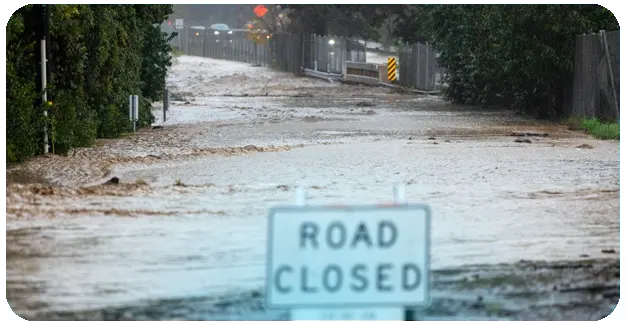
First things first get everyone to safety. Don’t walk through standing water if you can avoid it. It might have sewage, chemicals, or other nasty stuff in it. Turn off your electricity at the breaker box if you can do it safely. This prevents shocks and potential fires.
Next, grab your phone and document everything. Take photos and videos of all the damage. Your insurance company will need this evidence later. Call them as soon as possible to start your claim. The faster you report it, the quicker you get help. Professional flood cleanup teams can start working once you have approval.
Safety First: Portable Generator Setup
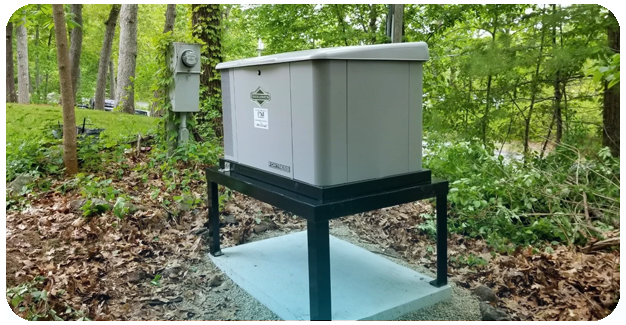
If you’re using a generator, keep it outside. Put it at least 20 feet from your home. Never run one in your garage, basement, or anywhere indoors. Carbon monoxide poisoning kills people every year during disasters. Make sure the exhaust points away from windows and doors.
Your generator needs proper ventilation. Without it, it becomes a death trap instead of a lifesaver. This isn’t something to mess around with.
Starting the DIY Cleanup Process
You can handle some initial tasks yourself, but know your limits. Start by removing small items that got wet. Think cushions, rugs, and movable furniture. Get them outside to dry if possible.
Open windows and doors to increase airflow. This helps reduce moisture and slows down mold growth. Grab some towels and mop up small amounts of standing water on hard surfaces. But here’s the thing – if you’re looking at more than a couple inches, stop right there. You need professional flood cleanup services at that point.
The First (and ONLY) steps you should do when You DIY
Your DIY work should be limited to three simple tasks. Don’t go beyond these steps:
- Remove wet items that are easy to carry outside
- Take tons of photos and videos for insurance
- Increase air circulation by opening windows
That’s it. Really. Don’t start tearing out drywall or pulling up carpet yourself. You might disturb mold spores or miss hidden water pockets. Leave the heavy lifting to certified restoration teams who handle flood cleanup every single day.
Why 90% Of Clean Up After A Flood Needs To Be Done By An Expert
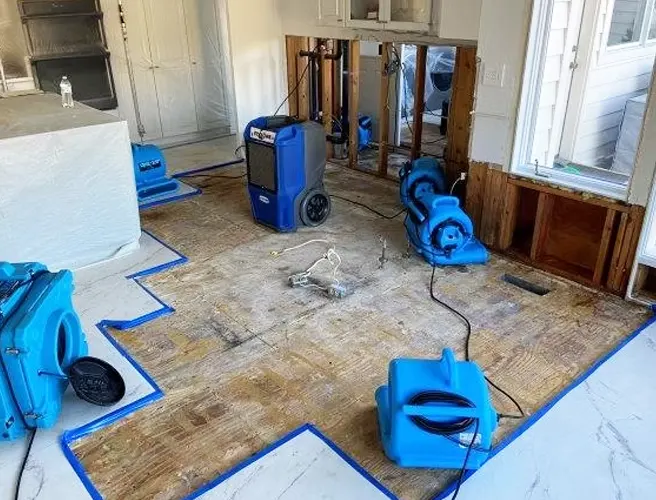
Here’s the truth – water goes everywhere. It seeps into wall cavities, under flooring, and into places you can’t even see. Professionals have moisture meters that detect hidden water. They use industrial dehumidifiers and air movers that work way better than box fans.
Certified restoration companies understand the science behind drying. They know how different materials absorb moisture. They know how long each takes to dry properly. Rush the process, and you’ll deal with mold for years.
Insurance companies often require professional documentation too. When a certified team handles your flood cleanup project, they create detailed reports. This paperwork protects you if problems pop up later. It also makes your claim go much smoother.
Disinfecting Surfaces and Protecting Indoor Air Quality
Once the water is removed, everything needs sanitizing. Think about what was in that water – bacteria, viruses, and other gross stuff. You can’t just wipe things down with regular cleaner and call it done.
Professional-grade antimicrobial treatments are necessary for proper flood cleanup. Air quality matters too. Restoration pros use HEPA filters and air scrubbers. These remove mold spores and particles from your indoor environment. These machines run for days, constantly cleaning the air while everything dries.
Without this step, you’re breathing in stuff that causes respiratory problems. It can trigger allergic reactions too. Not worth the risk.
Handling Damaged Drywall
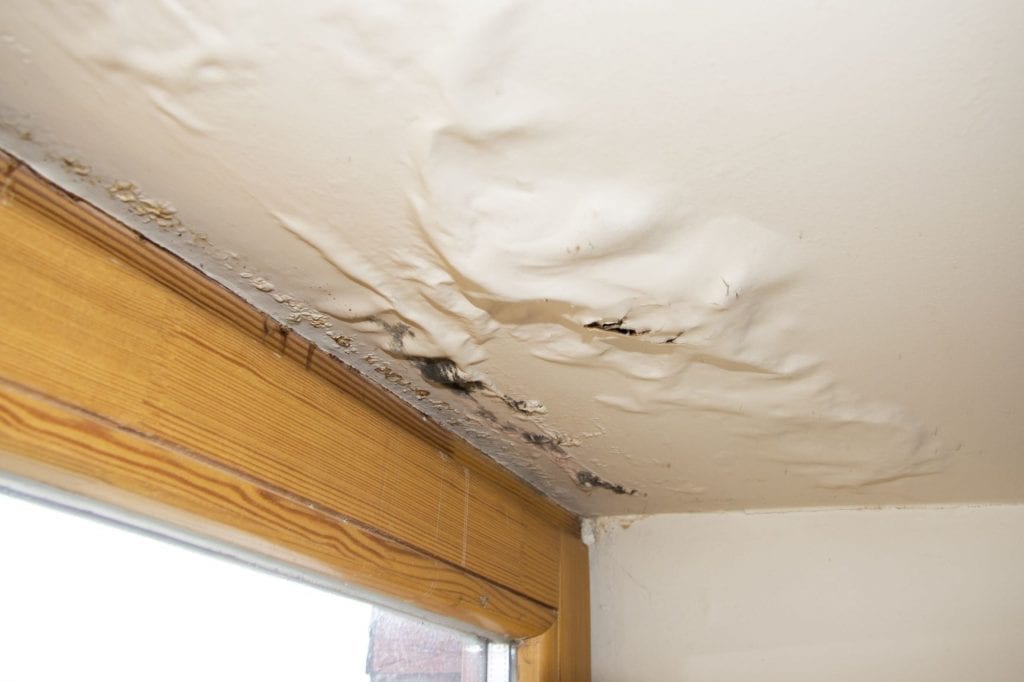
Drywall soaks up water like a sponge. If it’s been wet for more than 48 hours, it probably needs replacing. But don’t grab a sledgehammer just yet. Professionals know exactly how much to remove and where to cut.
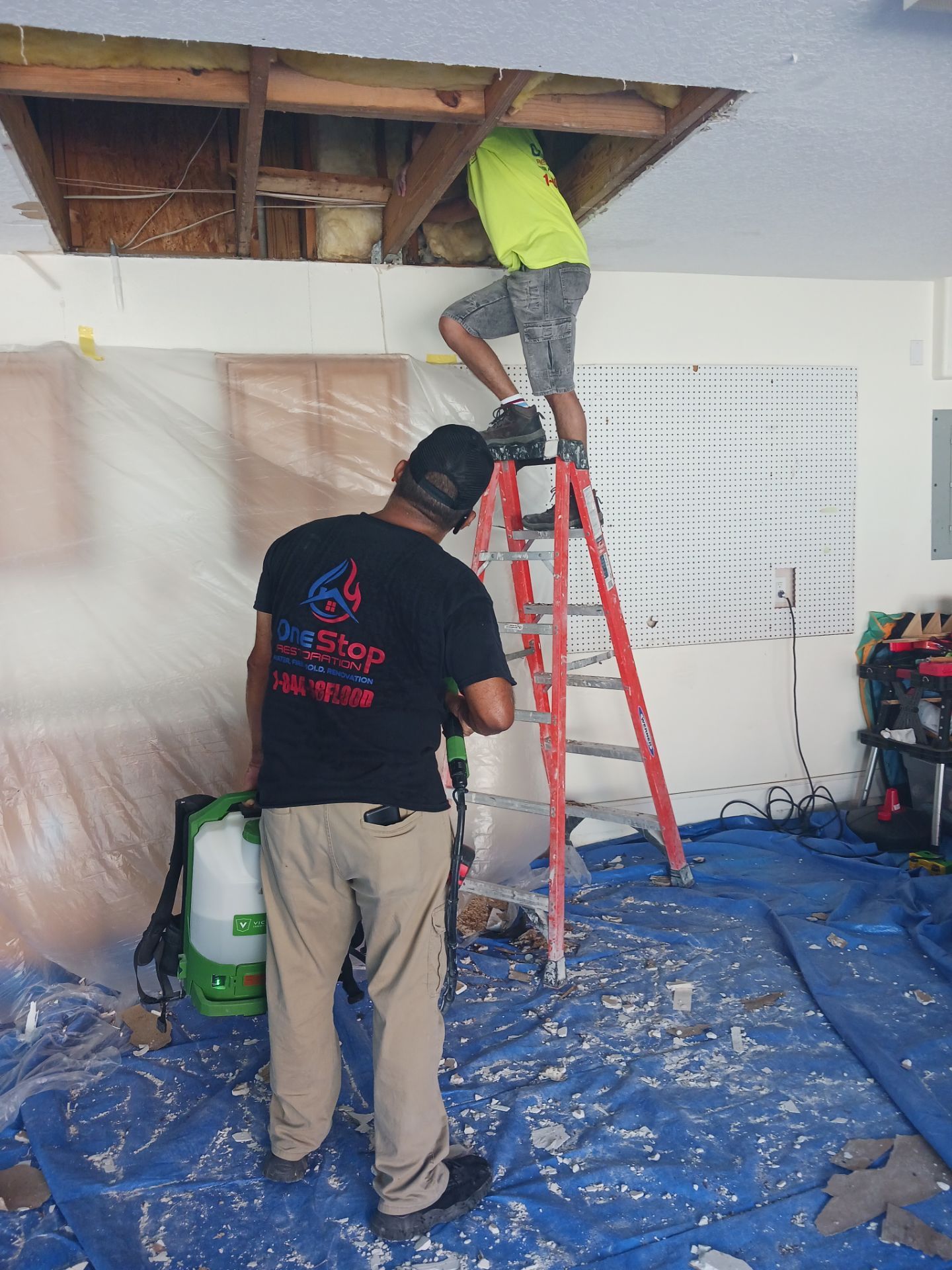
They can often save parts of your walls instead of gutting entire rooms. Cutting wet drywall releases mold spores into the air. Restoration teams wear protective gear and use containment barriers. This keeps contamination from spreading throughout your home.
They also check the studs behind your walls for moisture. Sometimes the framing is fine. Other times, it needs treatment or replacement too.
Using Wet Vacuums During Flood Cleanup
Wet vacuums work great for small spills and minor accidents. But they’re not designed for serious situations like flood cleanup. These machines fill up fast. You’ll spend hours emptying them over and over.
Professional extraction equipment removes hundreds of gallons in minutes. The difference in speed is massive. Plus, shop vacs don’t pull water from padding under carpets. They can’t reach inside baseboards either.
Pros use truck-mounted extractors and weighted wands. These force water up from deep layers. They get moisture out that you didn’t even know was there. This thorough extraction prevents long-term problems down the road.
Moving Forward After Flood Cleanup
Moving on after flood cleanup takes time. Don’t rush to repaint or replace flooring before everything is completely dry. This usually takes several days to a few weeks. It depends on how bad the damage was.
Restoration companies monitor moisture levels daily. They check until readings hit acceptable levels. Keep all your paperwork organized during flood cleanup and restoration. Save every receipt, even for small purchases. Track all communication with your insurance company.
These records become important if disputes arise later. Remember, dealing with water damage is stressful. But you’ll get through it. Focus on safety first, then let professionals handle the technical work.




How long does water damage cleanup typically take?
Most jobs finish within three to seven days, depending on severity and size. Small leaks might only need two days, while major floods can take two weeks or more. Drying time depends on how much water entered, what materials got wet, and how quickly help arrived. Your restoration company will give you a timeline after their initial assessment.
Can I stay in my home during the restoration process?
It depends on the extent of damage. Minor situations might allow you to stay in unaffected areas. However, major flooding often requires temporary relocation for safety. Standing water poses electrical risks, and drying equipment can be loud. Plus, some contaminated water scenarios make staying unhealthy. Your restoration team will advise what’s safest for your specific situation.
Will my insurance cover the costs of water damage cleanup?
Most homeowner policies cover sudden, accidental water damage like burst pipes or appliance malfunctions. However, gradual leaks or flood water typically need separate coverage. Review your policy and contact your insurance agent immediately after damage occurs. Professional restoration companies usually work directly with insurers, helping you file claims correctly and get maximum coverage for your loss.