
Emergency Water Damage Response Time: How Fast Is Fast Enough?
February 11, 2026
- By
- Dustin
- Technician
Fast enough usually means within the first 60 to 90 minutes – anything slower allows water to spread, materials to fail, and costs to rise. At One Stop Restoration, we’ve provided emergency water response for homeowners for years, and our team has seen how response time directly determines whether a home is dried efficiently or torn apart later. One client delayed calling because the leak seemed minor. By the time help arrived the next morning, water had wicked behind baseboards and into insulation. What could have been a controlled extraction turned into structural drying and mold remediation. If you’re dealing with active water intrusion, knowing what qualifies as a true emergency – and acting immediately – can prevent weeks of disruption. For immediate guidance, homeowners often start with our flooded house checklist before crews arrive.
What Proper Rapid Response Should Include
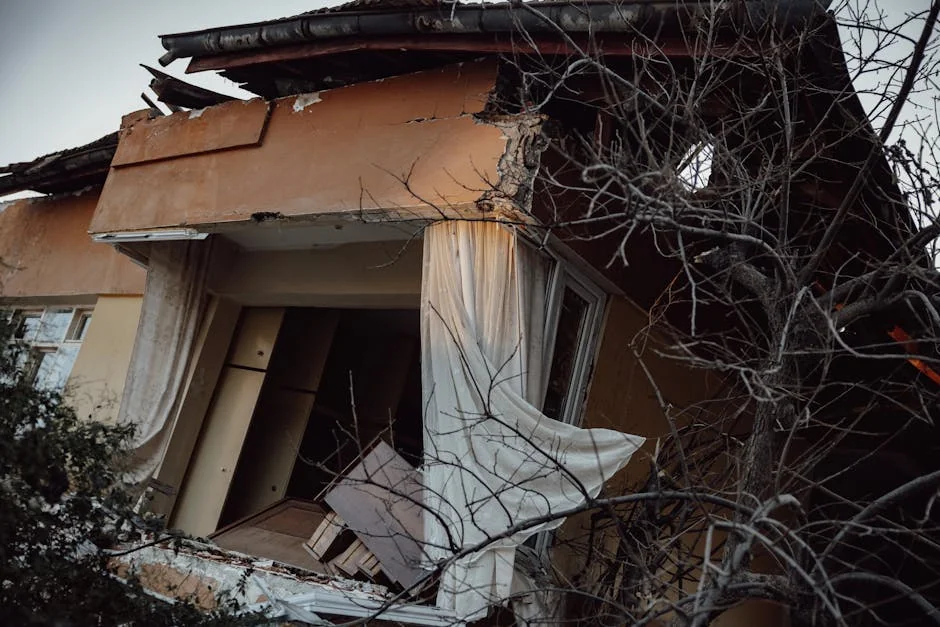
Fast response alone isn’t enough; the response must follow professional standards. The most effective water damage mitigation begins with safety controls, accurate moisture assessment, and immediate stabilization of affected materials. Excellent emergency response typically includes:
- Immediate source control (shutoff, temporary plumbing repair, or containment)
- Moisture mapping using thermal imaging and calibrated meters
- Category and class determination per IICRC S500
- Strategic extraction before airflow deployment
- Drying equipment sized to the structure – not a fixed count
How Delays Turn Small Leaks Into Major Repairs
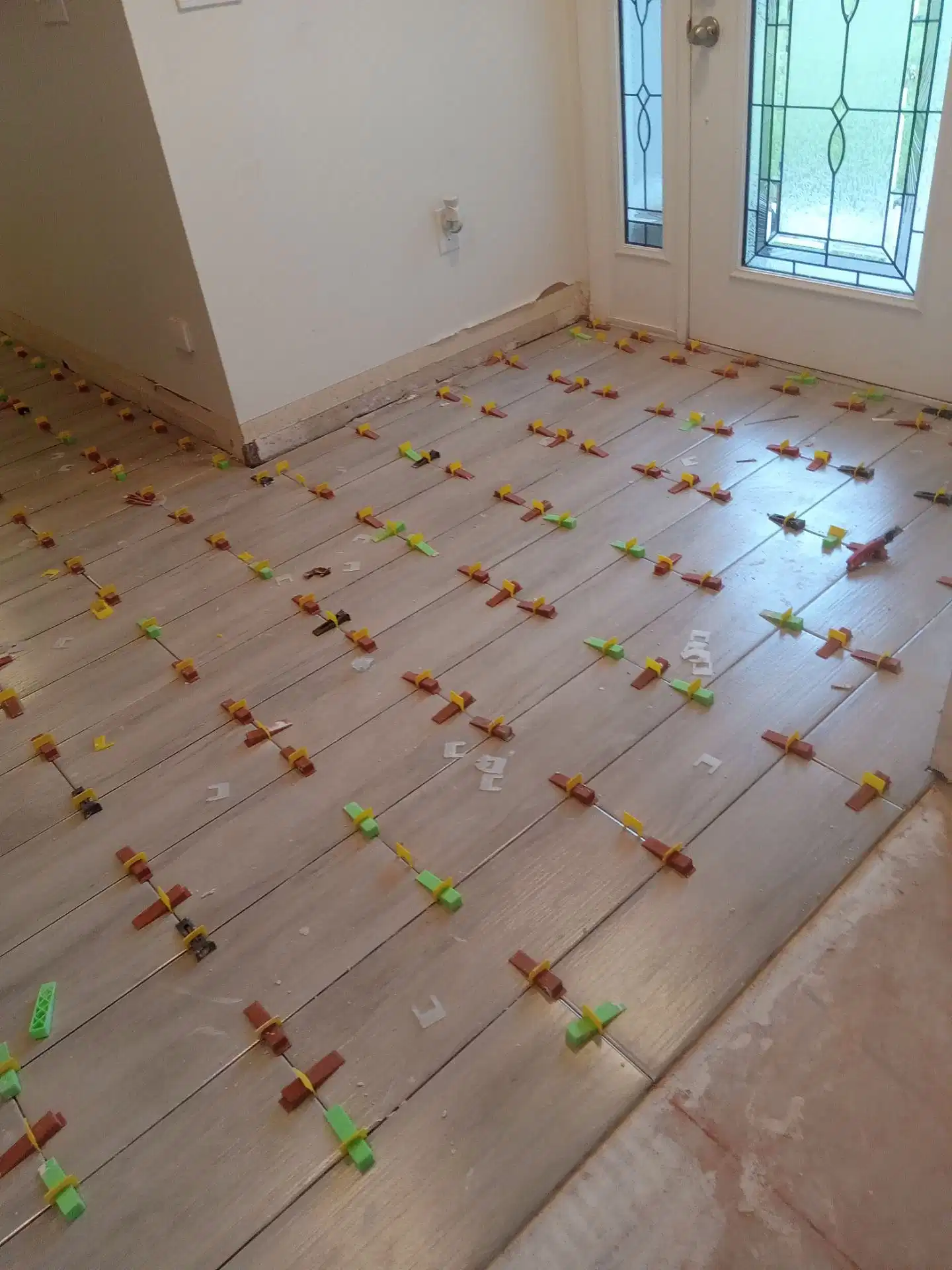
The most common mistake we see is underestimating how quickly water causes hidden damage. A customer once tried to dry a bathroom overflow with household fans. After three days, the ceiling below collapsed because insulation held moisture against the drywall. A realistic emergency water damage timeline often looks like this:
- First hour: stop the source, ensure electrical safety
- Hours 1 – 6: extraction and moisture assessment
- Day 1 – 3: active structural drying
- Day 3 – 5+: verification and controlled removal if needed
- Site complexity and accessibility
- Material types affected (hardwood, drywall, insulation)
- Total scope and moisture class
Get Help Before Damage Spreads
Water damage never waits, and every hour of delay can increase repair costs and risk. A fast call with One Stop Restoration gives you immediate clarity on what is urgent, what can wait, and how to protect your property right now. Our specialists deliver rapid assessment, clear documentation for insurance, and straightforward next steps that remove guesswork and stress. Acting early can save flooring, walls, and contents while shortening drying time and preventing hidden issues like mold growth. If something feels off, trust that instinct and contact us now. We respond quickly, explain options clearly, and help you regain control before minor damage turns into major disruption. Call today to secure your home, your time, and your peace of mind.
FAQs
How quickly should emergency water damage be addressed?
Emergency water damage should ideally be addressed within the first 60 to 90 minutes to limit the scope of harm and reduce long term costs. Water moves quickly through porous materials, spreading beneath surfaces and into hidden cavities. Even clean water can compromise structural components when it remains in place, because wood swells, fasteners loosen, and adhesives begin to fail. Within the first few hours, moisture starts wicking into drywall, insulation, subflooring, and flooring seams, where it becomes harder to remove with basic methods. As time approaches the 24-hour point, the risk of microbial growth rises sharply, creating potential health concerns and additional remediation needs. A fast response allows professional extraction, targeted drying, and dehumidification to begin before materials reach irreversible failure points. Prompt assessment with moisture detection tools also helps identify areas that are not visibly wet but are already affected. In practical terms, rapid action improves the likelihood that materials can be dried, cleaned, and preserved rather than removed and replaced, saving time and reducing disruption.
Is water damage always considered an emergency?
Not every water problem demands an immediate lights-and-sirens response, but many situations do require fast action to protect people and property. Active leaks, standing water, flooding, sewage backups, or moisture near electrical systems should always be treated as emergencies because they introduce serious safety hazards and can quickly weaken building materials. Even what appears to be a minor or slow leak can escalate into an urgent issue if it has been present for an extended period and is soaking into walls, floors, insulation, or subfloors. Hidden moisture creates ideal conditions for mold growth, wood rot, and corrosion, all of which increase repair costs and health risks. The key factor in deciding urgency is whether water is still spreading or trapped within structural components where it cannot dry on its own. If water movement cannot be fully stopped or drying cannot begin immediately, the situation should be treated as urgent. When there is uncertainty, acting quickly helps prevent secondary damage, limits disruption, and reduces the likelihood of insurance claim complications.
How much does fast water damage response typically cost?
Costs can vary significantly based on the specific circumstances of each project. In cases where the issue is identified quickly and the affected area is limited, a rapid response may begin at a few hundred dollars. However, when damage has spread, access is difficult, or the problem has gone unaddressed for an extended period, total expenses can rise into the several thousand dollar range. Final pricing is influenced by many factors, including the complexity of the site, the types of materials involved, labor requirements, equipment needs, and the overall size of the impacted space. Acting quickly often helps limit secondary damage, which can reduce the need for extensive demolition and reconstruction later. It is important to understand that any figures discussed at this stage are general reference points provided for planning purposes only. They are not guarantees or fixed offers. A thorough on site assessment is necessary to accurately evaluate conditions and provide a detailed, customized proposal.
Can homeowners handle emergency water damage themselves?
Homeowners can take important immediate safety steps after water intrusion, including shutting off the main water source, cutting electricity to affected areas, and removing standing water where it is safe to do so. These actions help reduce immediate risk and prevent further damage. However, common household tools such as box fans, dehumidifiers, and wet vacuums are rarely capable of removing moisture that has migrated into wall cavities, insulation, subfloors, or behind cabinetry. Water often travels beyond visible surfaces, and without specialized equipment it is difficult to detect where saturation remains. Professional water damage restoration relies on commercial grade drying systems, targeted airflow, and detailed moisture mapping to identify hidden pockets of dampness. Trained technicians use meters and thermal imaging to confirm that materials are drying evenly and completely. While do it yourself efforts may offer short term improvement, they frequently leave residual moisture behind. Over time, this trapped moisture can lead to mold growth, unpleasant odors, weakened structural components, and higher repair costs. Thorough drying from the start is essential for long term safety and preservation of the home.
What are early warning signs that response time was too slow?
Persistent damp odors, visible staining, warped flooring, and condensation on walls are common indicators of unresolved moisture issues. These warning signs often appear after an initial cleanup and can be mistakenly ignored, but they suggest that water remains trapped within building materials. If surfaces such as drywall, wood, or concrete remain cool and damp to the touch hours after water is removed, moisture is still present beneath the surface. Over time, this lingering moisture can lead to structural weakening, material deterioration, and unhealthy indoor conditions. Discoloration that spreads or darkens, soft or spongy flooring, and peeling paint are additional clues that drying is incomplete. Condensation that reappears regularly may also indicate poor ventilation or hidden saturation. Monitoring these signs early allows corrective action before damage escalates into more costly repairs. Prompt assessment and targeted drying help protect the structure, preserve indoor air quality, and prevent long term complications associated with excess moisture.
What problems result from delayed water damage response?
Delayed response significantly increases the likelihood of mold growth, material failure, and progressive structural weakening throughout the affected area. When water is allowed to remain in place, porous materials such as drywall, insulation, and wood framing absorb moisture and become breeding grounds for mold spores. This not only threatens indoor air quality but also raises health concerns for occupants and workers. Insurance claims can also be disputed or reduced if mitigation efforts were not initiated promptly, as many policies require timely action to limit secondary damage. As time passes, trapped moisture breaks down adhesives, corrodes fasteners, and causes wood to swell, warp, or rot. Flooring systems may delaminate, cabinetry can lose alignment, and finishes may stain or blister. These conditions compound repair complexity, extend project timelines, and increase overall costs. What might have been a straightforward drying and repair effort can escalate into extensive demolition, specialized remediation, and prolonged downtime for the property.
What should homeowners look for when hiring emergency responders?
When selecting a restoration provider, prioritize teams that are trained and certified under IICRC standards, as this demonstrates a commitment to recognized best practices in water damage mitigation. Verify that the company carries proper insurance coverage and follows clear, consistent documentation procedures. A qualified provider should be able to clearly explain their drying plan in plain language, including the equipment they will use, the expected timeline, and the goals for moisture reduction. They should also perform regular moisture monitoring, ideally on a daily basis, using appropriate meters and tools to track progress and adjust the plan as needed. Written reports should be provided to document readings, actions taken, and overall conditions throughout the project. These records are important for transparency, insurance claims, and long term property protection. Be cautious of providers who rely on assumptions, skip testing, or resist sharing data. Professional water damage restoration is based on measurement, verification, and accountability, not guesswork or rushed decisions.
What should be done immediately during an urgent water emergency?
First, shut off the primary water source and disconnect electricity to all affected areas to reduce the risk of electrical shock, fire, or further property damage. Standing water and saturated materials can conduct electricity and weaken building systems, so acting quickly is essential for occupant safety. Any delay allows moisture to travel deeper into walls, flooring, insulation, and structural framing, which increases the likelihood of mold growth, wood rot, and potential structural failure. Once immediate hazards are controlled, a professional assessment should begin as soon as possible. Trained technicians can identify hidden moisture, determine the extent of damage, and create a clear plan for mitigation and repair. Rapid evaluation also helps preserve salvageable materials and reduces long term restoration costs. In urgent situations, emergency dispatch or after-hours response may be required, and additional fees can apply. However, prompt action often prevents far more expensive repairs later and supports a safer, faster recovery process.