Professional Basement Water Cleanup Contractors Near You

March 24, 2026

When a homeowner discovers standing water in their basement, every minute counts. At One Stop Restoration Of Fl, our team has seen countless situations where slow action led to severe property damage and lasting structural issues. With years of experience in water damage restoration, we know basement flooding signals a deeper issue that needs expert attention, not just a quick mop-up job. Through comprehensive services such as water damage cleanup and restoration, we’ve helped many clients recover their homes efficiently. The biggest misconception we encounter is that all water damage can be dried with fans and dehumidifiers. In reality, untreated moisture beneath concrete slabs and behind drywall can lead to mold growth and weakened foundations. Ignoring professional help often multiplies repair costs over time and raises serious health risks for occupants.

Industry regulations and best practices to ensure safe restoration.

Certified water cleanup professionals follow industry regulations that protect both property integrity and occupant safety. The most critical standards reference how drying, cleaning, and structural inspections must be executed to ensure full compliance and insurance coverage. Failing to follow these standards can result in denied claims, structural deterioration, or microbial hazards that violate local health codes. Below are key regulatory guidelines and industry codes that govern professional basement water cleanup compliance: Following these authorities’ standards ensures the cleanup process restores structural health while maintaining air quality and regulatory compliance. In practice, certified contractors document every stage – extraction, drying, and sanitization – both for quality and to meet insurer documentation requirements.

Practical measures to reduce future water damage risks.

After restoring a flooded basement, future prevention becomes the priority. Our technicians always recommend starting with a full perimeter drainage assessment and sump pump inspection. Many basements flood again simply because discharge lines are undersized or check valves fail. One client replaced only their carpet after a cleanup but ignored their faulty sump system. Six months later, a storm brought another two inches of water through the same wall joint. Preventing recurrence required installing a sub-slab French drain with gravel backfill and upgrading to a sump pump rated for their cubic footage, following manufacturer recommendations from Zoeller and Liberty Pumps. Homeowners should also maintain gutter downspouts and grading, ensuring runoff flows away from foundation walls. Typical maintenance costs for waterproofing work range between $1,200 and $6,500, depending on three major variables:
  • Foundation complexity and size
  • Severity of previous water intrusion
  • Materials required for sealing and drainage
For complete rehabilitation, basement restoration may take 2 – 5 days, while preventative upgrades can span one to two weeks depending on soil and accessibility. These figures are preliminary benchmarks for informational purposes only and do not constitute a binding quote. An on-site evaluation is required for a final proposal. You can explore our commercial water damage restoration services to see how these same standards apply in large-scale facilities.

Schedule a Basement Moisture Assessment Today

If your basement or property shows any sign of moisture, leaks, or previous flooding, do not wait until the damage spreads or mold sets in. The specialists at One Stop Restoration Of Fl are ready to assess the situation, locate the exact source of the problem, and deliver lasting protection for your home. We apply advanced moisture detection equipment, follow IICRC and building standards, and create customized solutions that prevent costly structural issues. Our certified technicians handle every step of the process including extraction, sanitizing, and durable waterproofing. Act now to protect your investment and your peace of mind. Contact One Stop Restoration Of Fl today for a detailed inspection and a fast, effective restoration plan.

FAQs

Water cleanup becomes essential the moment you observe signs such as ongoing dampness, a musty odor, or visible mold growth along basement walls or floors. Even tiny puddles or moisture stains can indicate deeper problems like groundwater intrusion, leaking pipes, or cracks forming in the foundation. Trained restoration professionals use specialized tools such as moisture meters and thermal imaging cameras to detect water hidden behind drywall, insulation, or concrete surfaces. These problems are rarely visible to the untrained eye and tend to worsen quickly if ignored. Within 24 to 48 hours of exposure, microbial activity can begin to damage building materials and negatively affect indoor air quality. A professional cleanup team removes excess water, establishes controlled drying zones under negative pressure, treats affected surfaces with antimicrobial solutions, and verifies dryness to prevent future deterioration and contamination.
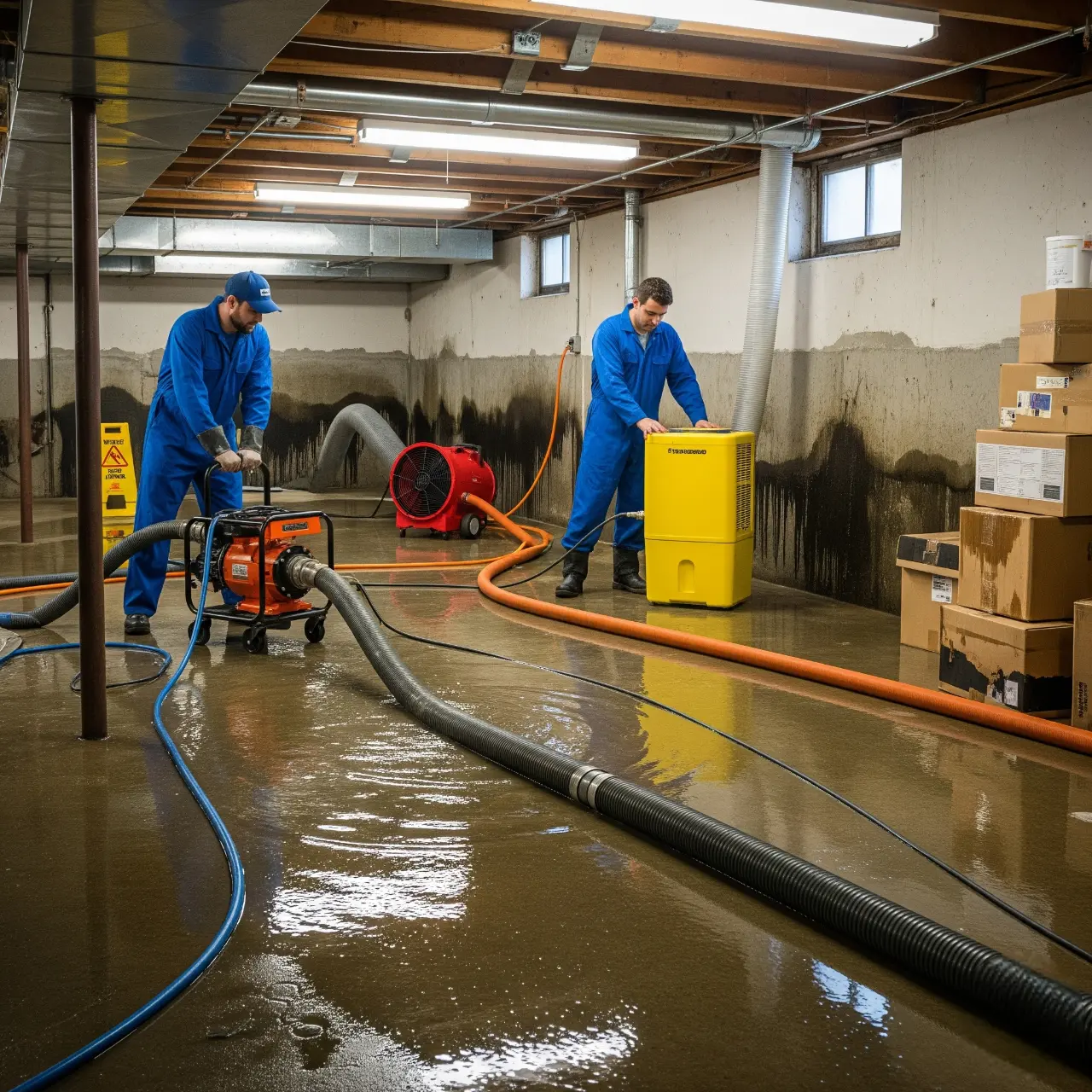
Professional water restoration specialists adhere to a precise, step-by-step process designed to ensure safety, efficiency, and complete moisture removal. The procedure begins with a thorough inspection and identification of the water source to prevent further intrusion. Once the cause is controlled, technicians use powerful extraction tools to remove standing water from floors, walls, and other affected materials. After extraction, industrial-grade dehumidifiers and HEPA air scrubbers are carefully positioned to accelerate drying and maintain clean air circulation. Negative air containment systems may be implemented to isolate contaminated zones and prevent the spread of airborne particles. When all surfaces reach acceptable dryness levels, the team performs sanitization and deodorization treatments to eliminate bacteria and odor-causing agents. Damaged materials such as plaster, insulation, or carpet are replaced if needed. Final verification involves measuring humidity with digital hygrometers, capturing photographs, and compiling documentation for insurance and homeowner records.
Basement water cleanup costs can vary widely, generally ranging from $1,000 to $8,000 or more depending on several important factors that influence labor, materials, and time. The size and complexity of the affected area play a major role, as multi-room basements or finished spaces with built-in storage, drywall, and flooring require more intensive work. Another factor is the level of contamination. Clean water intrusions typically cost less to address, while gray or black water situations involve additional sanitation steps, safety measures, and disposal fees. The restoration scope is equally significant, as repairs might include flooring replacement, baseboard installation, drywall removal, or structural drying. Advanced tools such as high-capacity dehumidifiers, thermal imaging cameras, and precision moisture mapping systems can increase expenses. All stated figures are general estimates for informational purposes only. A professional on-site evaluation is necessary to provide an accurate, written quote tailored to the specific property conditions and damage extent.

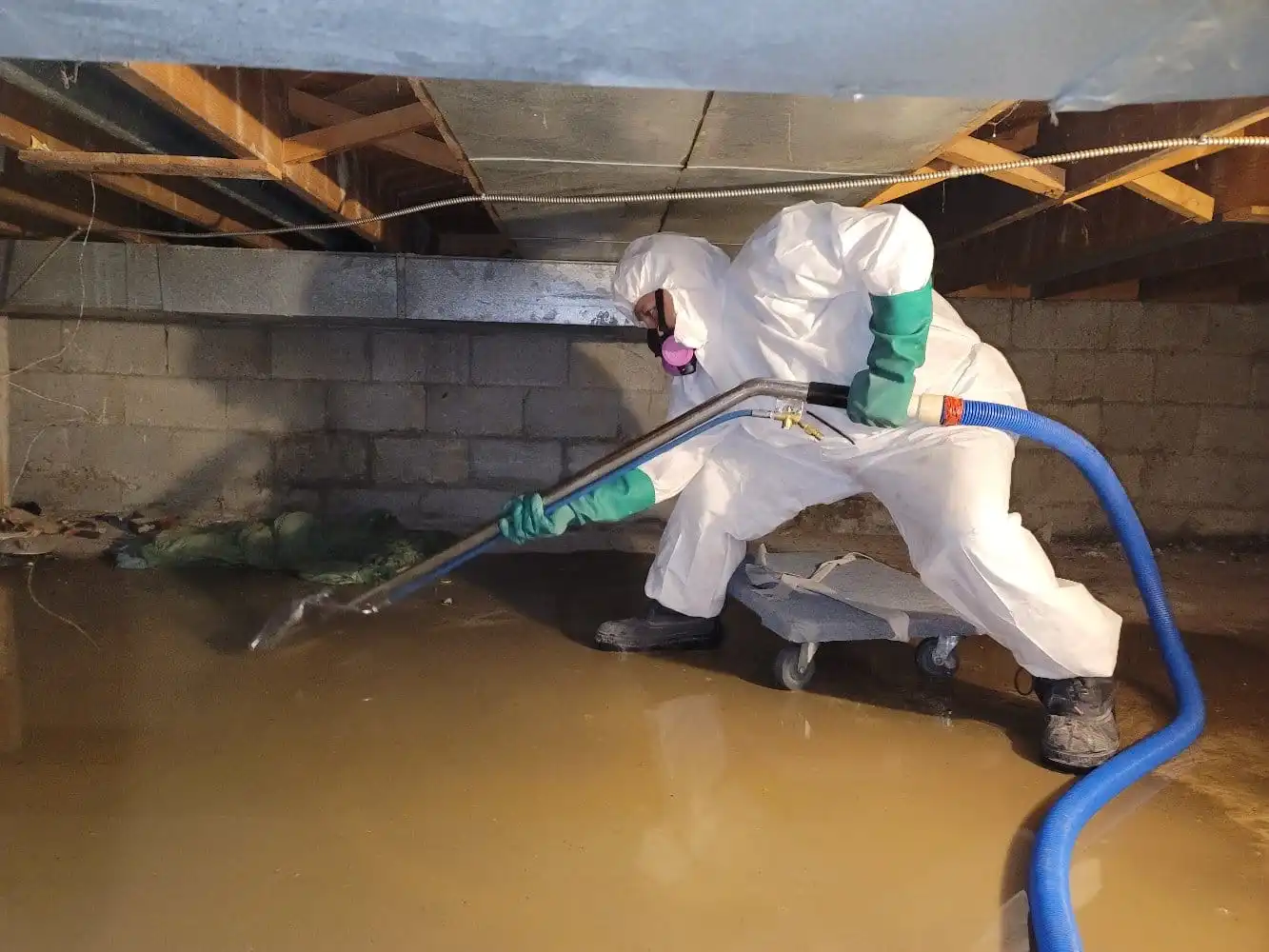
Homeowners can safely manage limited clean-water spills from a minor burst pipe when the affected area is small, typically less than 100 square feet, and there is no risk of electrical contact. The process involves stopping the water source, removing standing water with mops or wet vacuums, and using fans or dehumidifiers to promote thorough drying. In contrast, any incident involving floodwater from storms, toilet overflows, or sewage backups should be handled by certified restoration professionals. Contaminated water contains harmful microorganisms, organic matter, and chemical residues that can seep deep into drywall, insulation, and flooring materials. Professional cleanup teams wear personal protective equipment and use HEPA-filtered vacuums, moisture meters, and antimicrobial cleaners approved by health and environmental authorities. This combination of expertise and specialized tools ensures safe drying, prevents structural deterioration, and eliminates the lingering risk of hidden mold growth or electrical hazards.
Watch for bubbling or peeling paint, white powdery residue on concrete, musty odors, or damp floors that stay wet long after rainfall. These are often the earliest indicators of hydrostatic pressure buildup or a compromised waterproofing membrane. The white crystalline deposits, called efflorescence, form when dissolved salts are carried to the surface by moisture trying to escape through masonry. Their presence is strong evidence that water is actively moving through the foundation materials. Regular basement checks should include examining the sump pump discharge line for blockages and making sure it routes water away from the foundation. Any cracks where the floor meets the wall should be filled tightly with hydraulic cement to stop seepage. Professional inspection can provide detailed moisture mapping, identify hidden flow channels, and prevent small issues from becoming significant structural leaks.
Common sources of basement water intrusion often arise from a combination of external and internal conditions. Poor surface grading can direct rainwater toward the foundation rather than away from it, which increases the risk of seepage during heavy storms. A high water table can also exert hydrostatic pressure against below-grade walls, eventually forcing moisture through cracks or weak points. Broken or clogged gutters and downspouts frequently make the problem worse by allowing roof runoff to accumulate near the structure instead of channeling it safely outward. Damaged drain tiles, aging waterproof coatings, or a failed sump pump can further reduce a building’s ability to manage water flow. Over time, neglecting these exterior systems is one of the most damaging oversights – even small discharges close to the home can slowly change soil composition. This process destabilizes the foundation and leads to persistent flooding or moisture buildup.
Select a water damage restoration contractor who holds certification from the IICRC and can provide valid proof of both insurance and recent references. A qualified specialist conducts a full property assessment, supplies written inspection reports, and uses equipment that meets recognized industry standards for structural drying and dehumidification. Comprehensive service should include detailed moisture mapping, temperature and humidity tracking before and after treatment, and the use of sanitizing agents that prevent mold and bacterial growth. Ensure that the contractor follows every relevant building and safety regulation, securing proper documentation for your records. Avoid any provider who relies only on surface drying or skips hygienic restoration steps. Reputable teams maintain open communication with your insurance carrier, streamline the claims process, and confirm that each restoration phase satisfies coverage requirements prior to project completion.
Water damage can escalate very quickly if not addressed right away. Once water is allowed to remain in place for even 24 to 48 hours, it begins to penetrate porous materials such as drywall, wood, insulation, and carpeting. These materials absorb and hold moisture, weakening their structure and creating ideal conditions for mold and bacterial growth. For minor dampness or small affected areas, homeowners can start by shutting off electrical power to any impacted circuits and increasing ventilation with fans or dehumidifiers. However, this should only be a temporary measure. A qualified water damage specialist should inspect the property as soon as possible to evaluate how deeply the moisture has spread. When visible mold, unusual odors, or staining appear, certified cleanup and sanitization are essential to restore indoor safety and prevent recurring contamination. Even if active flooding has stopped, a professional moisture assessment helps identify hidden wet zones, potential insulation issues, and long-term waterproofing or drainage improvements. Swift, informed action limits structural deterioration, controls health risks, and strengthens future protection against water intrusion.
Scroll to Top