
A sewage backup is more than a mess; it is a biohazard emergency that requires immediate professional intervention. Whether it’s an overflowing toilet in your Kissimmee home or a main line failure at your Orlando business, raw sewage, known in the industry as Category 3 “Black Water,” is grossly contaminated with harmful pathogens.
At One Stop Restoration of FL, we are equipped with the specialized protective gear and industrial-grade antimicrobials necessary to neutralize the threat. Available 24/7, our certified response teams arrive within 60 minutes to extract the waste, sanitize your property, and restore your safety.
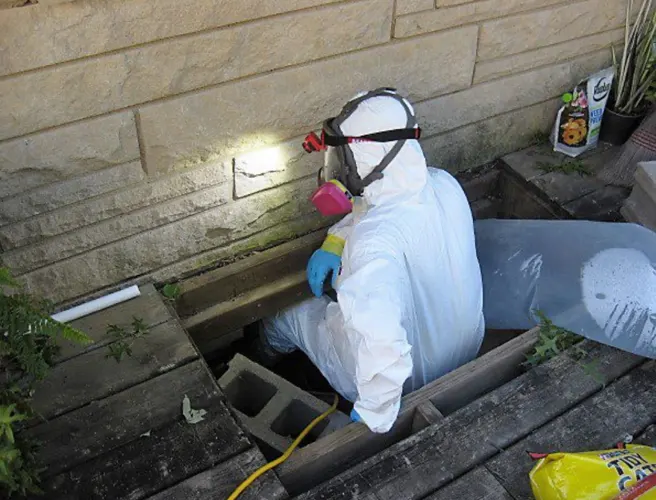
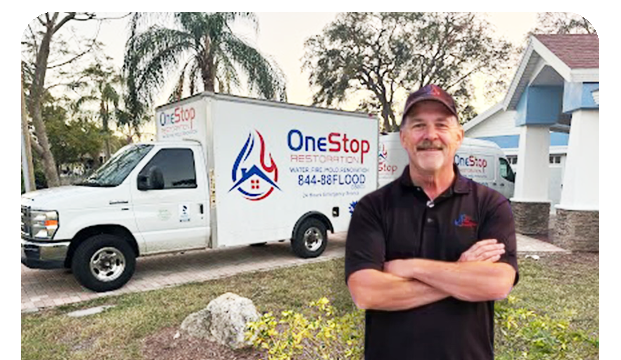
In 2026, the IICRC S500 standards classify sewage as “Black Water,” the most dangerous category of water damage. Unlike a simple pipe leak, sewage contains a cocktail of bacteria, viruses, and parasites that can cause severe illness if contacted or inhaled.
Pathogenic Threats: Raw sewage can carry Hepatitis A, E. coli, Norovirus, and Salmonella.
Toxic Gases: Sewage backups often release methane, ammonia, and hydrogen sulfide, which can lead to dizziness or respiratory distress in enclosed spaces.
Skin & Eye Infections: Even minor splashes can lead to cellulitis, sepsis, or chronic rashes if the skin is open due to cuts.
The 24-Hour Rule: In Florida’s humid climate, sewage-impacted materials become a breeding ground for mold within 24 hours, compounding the health risk.
We follow a rigorous six-step protocol to ensure your property is legally and biologically safe for occupancy.
We establish “critical barriers” using plastic sheeting and negative air pressure to prevent airborne pathogens from spreading to clean areas.
Using industrial-grade submersible pumps and waste containers, we remove all raw sewage and standing water.
Porous materials, such as carpet, padding, and drywall, that have been saturated with sewage are safely removed and disposed of in accordance with biohazard regulations.
We apply EPA-registered, hospital-grade antimicrobials to all hard surfaces.
We deploy LGR dehumidifiers and air scrubbers to eliminate lingering moisture and purify the air.
For large losses, we coordinate with independent labs to perform “clearance testing” to ensure no harmful bacteria remain.
Many property owners attempt to clean sewage with household bleach and a mop. In 2026, this is highly discouraged for several reasons.
Standard masks do not filter out the airborne pathogens found in raw sewage.
Sewage often seeps into subflooring and behind baseboards where standard cleaning cannot reach.
If you are a landlord or business owner, failing to use a licensed biohazard company can result in massive legal liability if a tenant or employee becomes ill.
Walking between the "hot zone" and clean areas without proper decontamination (donning and doffing PPE) spreads the hazard throughout the building.
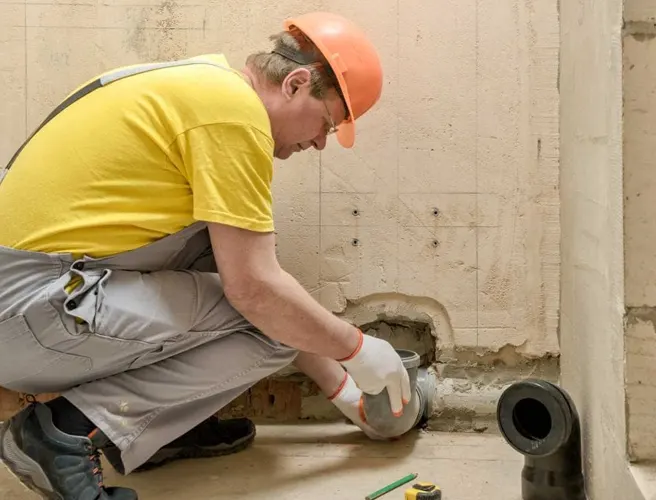
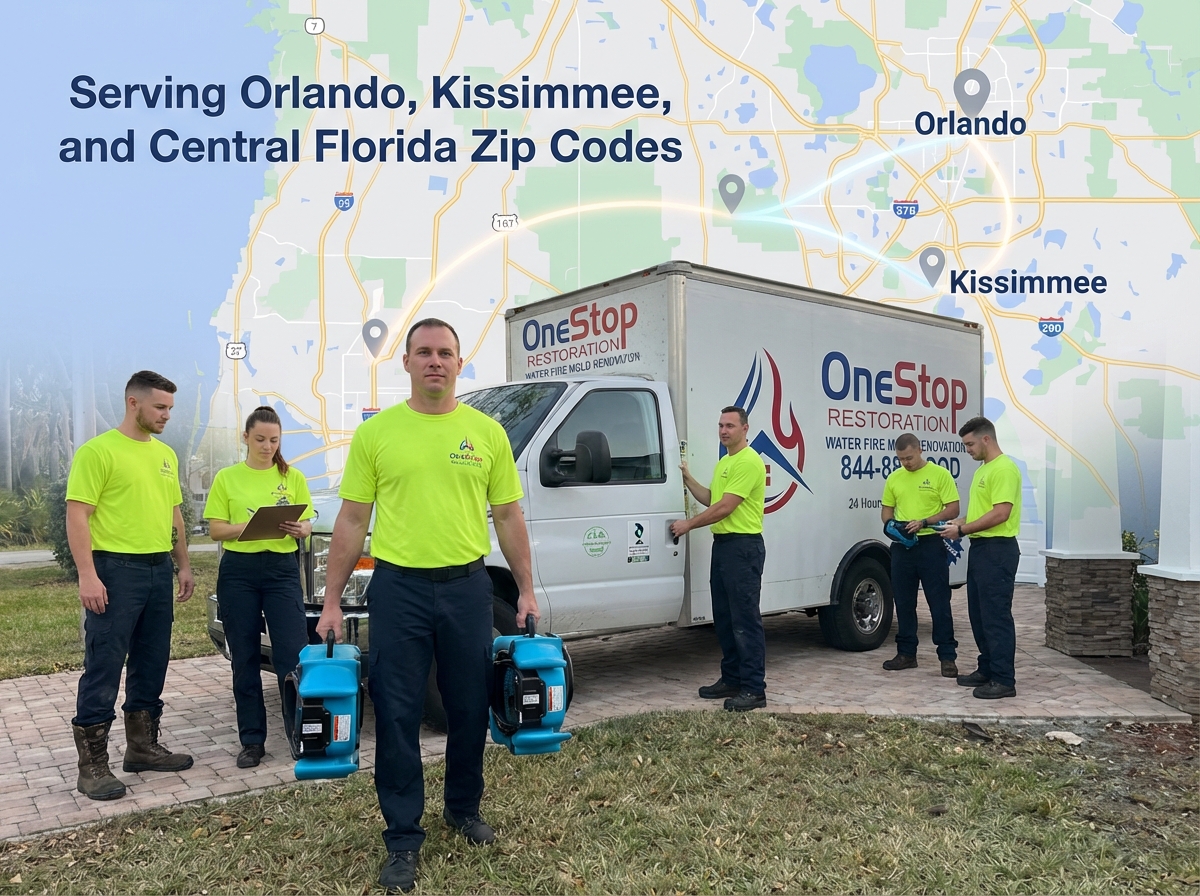
We understand the specific infrastructure of Central Florida, from the septic systems in rural Kissimmee to the aging sewer lines in historic Orlando neighborhoods.
Downtown Kissimmee (34741), Buenaventura Lakes (34743), Poinciana (34758, 34759), Celebration (34747), and St. Cloud (34769, 34771, 34772).
Downtown Orlando (32801), Dr. Phillips (32819), Hunters Creek (32837), Conway (32812), Lake Nona (32827, 32832), and Winter Park (32789, 32792).
St. Cloud, Celebration, Poinciana, and Hunters Creek.
Under the new 2026 Florida Insurance Laws (HB 815 and SB 7052), the claims process for biohazards has become more documented.
Endorsements are Key: Most standard Florida homeowners policies exclude sewage backup unless you have a specific “Sewer & Drain” rider.
Documentation Requirements: We provide the digital “Proof of Loss” documentation, including thermal scans and waste disposal manifests, that 2026 adjusters require to approve biohazard claims.
The “Neglect” Exclusion: Insurance may deny your claim if it determines the backup was caused by neglect (e.g., roots that were ignored for years).
Cost Averages: In January 2026, the average sewage cleanup in Orlando ranges from $13.68 to $16.89 per square foot, with full restoration projects often exceeding $2,000 for even minor events.
Why is One Stop Restoration the top-recommended choice for biohazard crises?
IICRC Certified: Our technicians hold specialized Biohazard & Sewage Remediation credentials.
Licensed General Contractor: We don't just clean; we rebuild. We handle the drywall, flooring, and plumbing repairs once the area is safe.
Bilingual Response: We offer services in English and Spanish to ensure clear communication during a crisis.
Local Founding: Founded in 2023, we are committed to the health and safety of our Central Florida neighbors.
Prevention is the best restoration. We recommend these 2026 safety upgrades:
Backwater Valves: Install a valve that only allows water to flow out of your home, effectively blocking sewage from pushing back in during heavy Orlando rains.
Proper Waste Disposal: Never flush “flushable” wipes or pour grease down the drain, as these are the leading causes of local blockages in 2026.
Regular Tree Maintenance: Keep trees away from your sewer lateral to prevent root intrusion.
Transparency is the foundation of our “One Stop” philosophy. In January 2026, professional sewage remediation costs in Central Florida are calculated based on the complexity of “Black Water” decontamination.
Standard sewage cleanup typically starts between $13.68 and $16.89 per square foot for labor and specialized cleaning agents.
For residential properties, the initial extraction and site stabilization phase usually ranges from $500 to $1,500.
Most "Full Cleanup & Restoration" projects in the Orlando area range from $2,500 to $7,000, which includes waste removal, sanitation, and IICRC-standard deodorization.
If your backup was caused by a collapsed sewer line or tree root intrusion, repair costs for the line itself can range from $1,000 to $8,000 depending on the depth and location of the pipe.
In 2026, Florida insurance carriers have moved to “Digital-First” verification. To ensure your claim is approved at 100% value, our team provides a specialized Biohazard Documentation Package.
We use LiDAR-equipped mobile units to capture the exact "splash zone" of the sewage before we touch a single drop, providing undeniable proof of the loss.
AI-driven sensors record the exact saturation levels in your subflooring, which adjusters use to verify why certain materials (like carpet) had to be replaced rather than cleaned.
We provide a signed "Certificate of Decontamination" that fulfills your "Duty to Mitigate," preventing the insurance company from denying secondary mold claims later.
One of the most frequent questions we receive in Orlando is: “Is the City of Orlando responsible if their main line backed up into my home?”.
If the backup originated in the city’s main line (due to a blockage or storm surge), the municipality may be liable for your deductible or even the full cost of the cleanup. We help you determine the source of the blockage immediately.
If the backup was caused by roots in your yard or a grease clog in your kitchen sink, the homeowner is responsible.
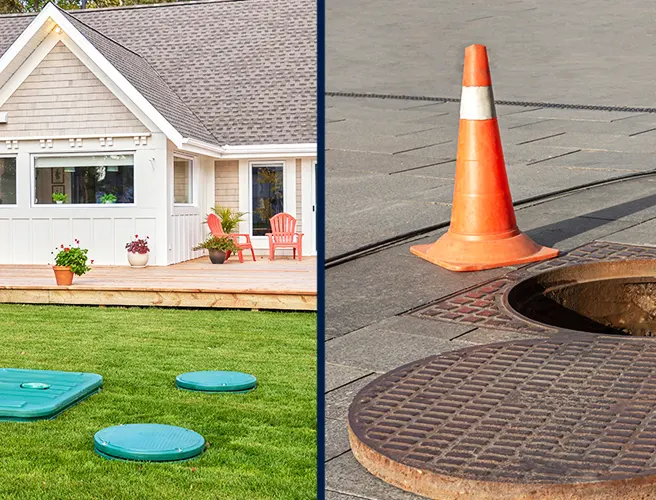
For our clients in rural Kissimmee and St. Cloud, we handle specialized septic-related backups, which require different biohazard protocols than municipal sewer events.
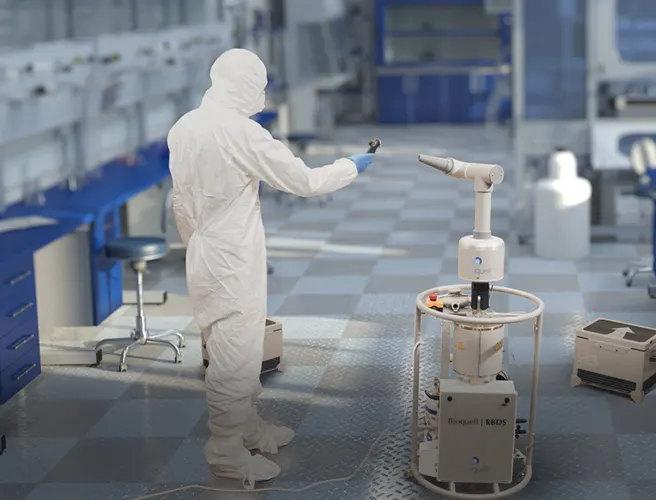
Wiping down surfaces with bleach is no longer considered a “professional” remediation in 2026. We utilize a multi-layered technological approach to guarantee safety.
After cleaning, we apply a long-lasting antimicrobial coating via electrostatic sprayers that wraps around surfaces to inhibit pathogen growth for up to 90 days.
We use a thermal fog that mimics the behavior of the original sewage gases, penetrating deep into wall cavities to neutralize odor at the molecular level.
During the entire process, we run industrial air scrubbers that filter out 99.97% of airborne bacteria and particulates, ensuring the air you breathe is as clean as the surfaces we've restored.
Household bleach only treats the surface. Sewage is a “Black Water” hazard that saturates porous materials like drywall, baseboards, and subfloors. Professional remediation requires industrial extraction and “critical containment” to prevent airborne pathogens (like E. coli or Hepatitis A) from spreading through your HVAC system.
No. Most standard policies exclude water that backs up through sewers or drains. You must have an explicit “Sewer & Drain” endorsement or rider. If your backup was caused by rising floodwater from a storm, only a separate Flood Insurance policy will cover it.
In 2026, Florida law requires you to notify your insurer “promptly”—ideally within 24 to 48 hours of discovery. While you have up to one year to file the final paperwork, the longer you wait to start the mitigation, the more likely the insurer is to deny the claim due to “preventable” secondary mold damage.
Not always. We use moisture-tracking AI to see if the sewage “wicked” up into the drywall. If it did, we must remove at least 12–24 inches of drywall above the water line to ensure no bacteria remain trapped behind your walls. If the drywall remained dry, we can often sanitize it in place.
Stop using all water immediately. This is a classic sign of a main sewer line blockage. If you continue to flush or run water, it will have nowhere to go but back up through your lowest drains (usually bathtubs). Call our 24/7 emergency line at +1 407-987-2330 immediately for a site assessment.